



Why Understanding Snake Safety Matters for Your Clogged Toilet
A clogged toilet is one of the most frustrating home emergencies, and while a toilet snake (auger) can be an effective solution, using it incorrectly can cause expensive damage to your porcelain fixture.
Quick Solutions for a Clogged Toilet:
- First attempt: Use a flange plunger with proper sealing technique
- If plunging fails: Try hot water and dish soap method (wait 20 minutes)
- For stubborn clogs: Use a toilet auger with gentle, clockwise motions
- Call a professional if: Multiple fixtures are affected or foreign objects are involved
Few sounds create more instant anxiety than hearing a toilet flush stop in its tracks. According to plumbing research, toilet clogs are among the most common household issues, with millions of homeowners dealing with at least one blocked toilet annually. While a toilet snake can clear many blockages that plungers cannot reach, improper technique can scratch porcelain, damage internal components, or even crack your toilet bowl.
The key difference between success and disaster lies in understanding what to do versus what to avoid when snaking a clogged toilet. Simple mistakes like forcing the cable, using boiling water, or mixing chemical cleaners with mechanical methods can turn a $20 DIY fix into a costly toilet replacement.
I’m Dan Walsh, and through years of managing home repair services and training technicians, I’ve seen countless clogged toilet situations where homeowners could have avoided expensive damage with proper technique. My experience has shown that knowing when not to snake is just as important as knowing how to do it correctly.
Know your clogged toilet terms:
- certified plumber
- finding plumber
- toilet snake
Understanding a Clogged Toilet and When to Use a Snake
When you’re staring down at a clogged toilet, the urge to grab the nearest tool and start attacking the problem is understandable. But hold on—taking a moment to understand what’s actually happening can save you from turning a simple fix into an expensive disaster.
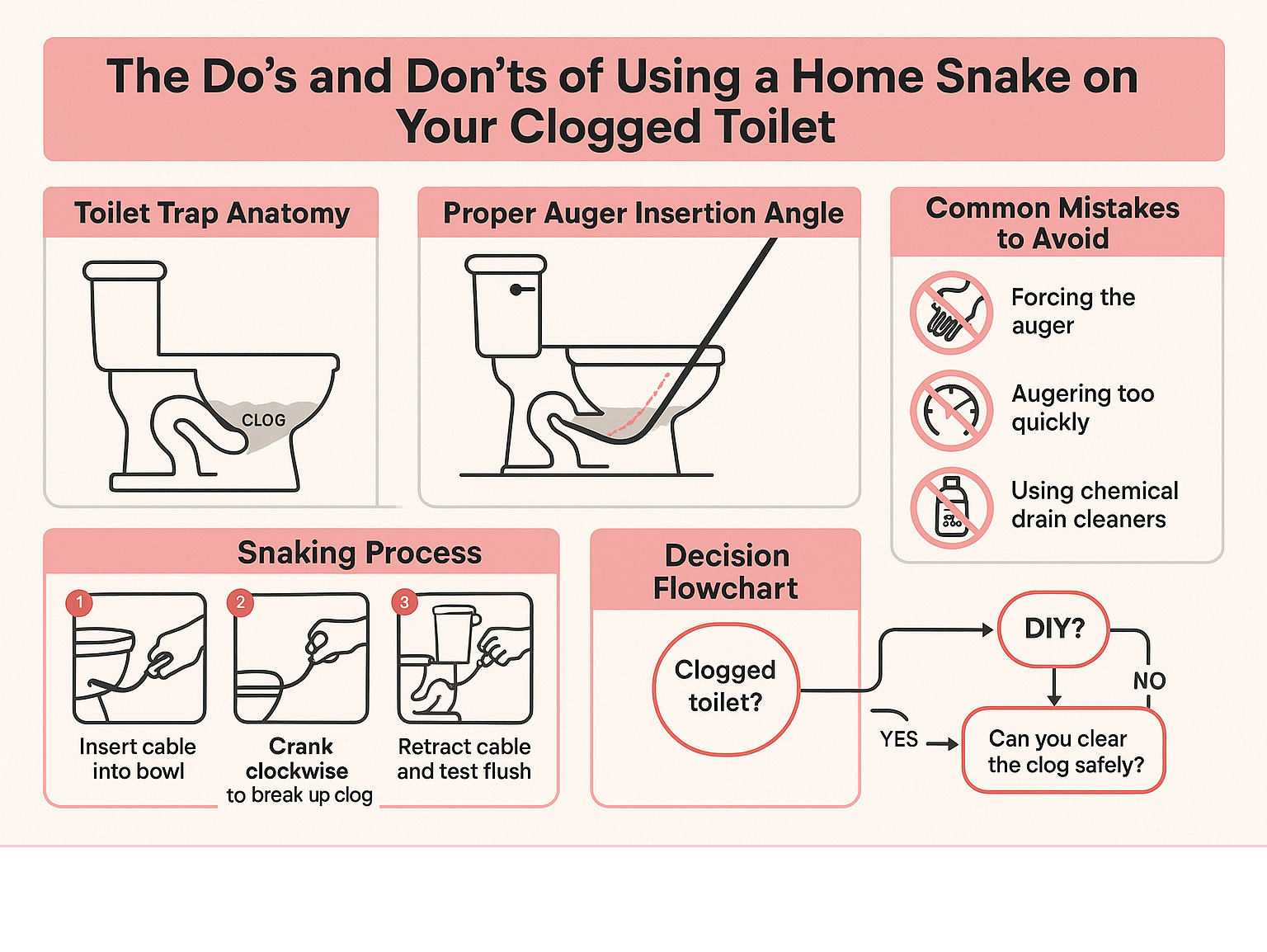
Most toilet clogs happen in what’s called the toilet trap, which is essentially a built-in S-shaped curve filled with water. This clever design keeps sewer gases from wafting up into your bathroom, but it also creates the perfect spot for things to get stuck. When something blocks this trap, water can’t flow properly, leading to that heart-stopping moment when the water level starts rising instead of going down.
First things first: if you see the water level climbing after a flush, don’t panic. Quickly lift the toilet tank lid and push down on the rubber flapper to stop more water from entering the bowl. You can also turn off the water supply using the shut-off valve behind the toilet base. This simple step can prevent an overflow disaster and save your bathroom floor.
The smell and water level in your toilet bowl can tell you a lot about what’s going on. If multiple fixtures in your home are draining slowly or backing up, you might be dealing with a sewer line issue rather than just a toilet problem. Low-flow toilet models from the 1990s are particularly prone to clogs because they sometimes lack the pressure needed to clear waste effectively.
More info about spotting clogs
What Causes a Clogged Toilet?
Understanding what caused your clogged toilet helps you choose the right solution. Despite what you might think, most clogs aren’t caused by faulty toilets—they’re usually the result of flushing things that shouldn’t go down there.
“Flushable” wipes are the biggest troublemakers in modern plumbing. Despite the marketing claims, these wipes don’t break down like toilet paper and can create stubborn blockages. Cotton swabs, dental floss, feminine hygiene products, and paper towels are equally problematic.
Too much toilet paper is another common culprit, especially the ultra-soft, thick varieties. Kids are particularly good at creating these paper mountains, often using half a roll for a single trip to the bathroom.
Foreign objects like toys, jewelry, or small household items create some of the most challenging clogs. A toy car or piece of jewelry can act like a dam, catching other debris and creating a major blockage.
Signs a Snake Is the Right Tool
Not every clogged toilet needs the snake treatment. Knowing when to reach for a toilet auger versus trying other methods can save you time and prevent damage to your toilet.
When your trusty plunger gives up, that’s usually your cue to consider snaking. If you’ve tried vigorous plunging with a proper flange plunger and the clog won’t budge after several attempts, the blockage is likely sitting beyond where the plunger can reach.
Repeat offenders are another clear sign. If the same toilet keeps clogging every few days or weeks, there’s probably something lodged deeper in the system that plunging can’t dislodge.
Multiple fixture problems are actually a red flag to avoid snaking your toilet. If your toilet, bathroom sink, and tub are all draining slowly or backing up at the same time, you’re likely dealing with a main drain line issue that needs professional attention.
| Method | Effectiveness | Best For | Limitations |
|---|---|---|---|
| Plunger | 80% of clogs | Soft blockages in trap | Can’t reach deep clogs |
| Snake/Auger | 90% of accessible clogs | Hard blockages, foreign objects | Requires skill to avoid damage |
| Professional Service | 99% success rate | Complex or recurring issues | Higher cost |
The key is recognizing when a DIY approach makes sense versus when it’s time to call in the professionals. Sometimes the smartest move is admitting that a clogged toilet is beyond your comfort zone and letting trained technicians handle it safely.
The Do’s: Proper Snaking Technique for a Clogged Toilet

When you’re facing a stubborn clogged toilet that won’t respond to plunging, knowing the right snaking technique can save your day—and your porcelain. The key is working slowly and methodically, just like the experienced technicians at AAA Home Services do when they handle these situations.
Think of snaking as a delicate dance rather than a wrestling match. You’re guiding a tool through your toilet’s curved internal pathways, not forcing your way through. This gentle approach protects your toilet while effectively clearing the blockage.
Gather the Right Tools
Before you even think about tackling that clogged toilet, having the right equipment makes all the difference. A toilet-specific auger is your best friend here—it’s designed with a protective rubber boot that won’t scratch your porcelain and a curved design that follows your toilet’s natural shape.
Your essential toolkit should include a heavy-duty toilet auger with at least a 6-foot cable, rubber cleaning gloves for protection, and safety glasses. Keep old towels handy for cleanup, a bucket for managing excess water, and disinfecting wipes for sanitizing afterward.
Never use a regular drain snake on your toilet. Those rigid cables are designed for straight pipes, not the curved trap in your toilet. Using the wrong tool is like trying to thread a needle with a coat hanger—you’ll likely crack your porcelain and create a much bigger problem.
Create a Seal and Feed the Auger
Getting the auger positioned correctly is where many homeowners go wrong. Start by checking your water level—you need enough water to maintain the toilet’s trap seal, but not so much that you’re creating a mini flood when you start working.
Insert the auger’s rubber boot into the toilet drain opening at a slight angle, matching the toilet’s internal curve. The protective boot should sit snugly against the porcelain without any forcing or jamming.
Feed the cable slowly while maintaining steady downward pressure. You should feel the cable following the toilet’s internal pathway. If you hit immediate resistance, stop and reassess your angle.
Break Up or Retrieve the Clog
Once your cable reaches the blockage, use clockwise motions to break up or snag the obstruction. Apply steady pressure while cranking the handle, but resist the urge to get aggressive.
Slowly retract the cable while continuing those clockwise rotations. This technique helps pull debris back with the auger rather than pushing it deeper into your plumbing system.
After working the blockage, give your toilet a test flush with a small amount of water first. If that goes well, try a full flush to make sure everything’s flowing properly again.
The Don’ts: Mistakes That Can Damage Your Toilet

Here’s the hard truth: more toilets get damaged from overzealous homeowners than from the original clogs themselves. I’ve seen countless situations where a simple clogged toilet fix turned into a costly toilet replacement because someone made one of these critical mistakes.
The good news? Every single one of these damage-causing errors is completely preventable. Understanding what not to do is just as important as knowing proper technique—and it can save you hundreds of dollars in unnecessary repairs.
Scientific research on hot-water risks
Don’t Force a Snake in a Clogged Toilet
The biggest mistake homeowners make is treating their toilet like a stubborn drain that just needs more muscle. When that auger cable hits resistance, the natural instinct is to push harder or crank more aggressively. Don’t do it.
Toilet traps are designed with specific curves that guide waste toward your sewer line. When you force a snake past its natural stopping point, you’re essentially using a metal cable to punch through delicate porcelain passages. The result? Cracked internal components that can’t be seen until water starts leaking onto your bathroom floor.
If your cable becomes kinked or stuck, stop immediately. A kinked cable that breaks off inside your toilet creates a nightmare scenario—now you have both the original clog and a metal cable to extract.
Skip Harsh Chemical Drain Cleaners
Here’s something most people don’t realize: your toilet isn’t just porcelain and water. Those rubber flappers, gaskets, and seals that keep everything working smoothly? Chemical drain cleaners eat them alive.
Unlike sink drains that flush chemicals away quickly, toilets hold standing water that keeps harsh chemicals in contact with rubber components for extended periods. The standing water in your toilet trap also dilutes these chemicals, making them less effective against clogs while exposing you to more toxic fumes.
Mixing chemicals with mechanical snaking creates another serious hazard. Chemical reactions can produce dangerous gases, and the combination often makes clogs worse by hardening debris around the blockage.
Never Pour Boiling Water into the Bowl
This mistake sounds so logical—hot water melts grease, so boiling water should blast through any clogged toilet, right? Unfortunately, porcelain doesn’t handle extreme temperature changes well.
Thermal shock from boiling water can crack your toilet bowl instantly or create stress fractures that fail later. The safe approach uses hot tap water at around 120°F combined with dish soap. This temperature provides excellent cleaning power for softening clogs without risking structural damage to your toilet.
Alternatives to Try Before Snaking
Sometimes the gentlest approach works best for a clogged toilet. Before reaching for that auger, try these safer alternatives that often clear blockages without any risk of damage to your porcelain fixture.
Many homeowners are surprised to learn that common household items can be incredibly effective at clearing toilet clogs. These methods work particularly well for soft blockages caused by too much toilet paper or organic waste.
More info about Drain Cleaning
Hot Water & Dish Soap Method for a Clogged Toilet
This surprisingly effective technique works by creating lubrication around the blockage while applying gentle pressure. Start by squirting about half a cup of liquid dish soap directly into the toilet bowl, letting it settle around the drain opening and coat the sides.
The waiting period is crucial—give the soap 20 minutes to work its way into the clog and soften the blockage. While you wait, heat a gallon of water using your hottest tap setting (never boiling water, which can crack porcelain).
Pour the hot water slowly into the bowl from waist height. The combination of soap lubrication and gentle water pressure often breaks through clogs that seemed impossible to clear.
Baking Soda & Vinegar Fizz
This eco-friendly approach harnesses a natural chemical reaction that’s completely safe for your plumbing system. Pour one cup of baking soda into the toilet bowl first, then slowly add two cups of white vinegar. You’ll see immediate fizzing action as the ingredients react.
The bubbling effect helps break apart organic clogs while being gentle on your toilet’s components. Add half a gallon of hot tap water to the mixture and let it work overnight for best results.
When to Skip DIY and Call a Plumber
Some clogged toilet situations call for professional help from the start. If you dropped something valuable like jewelry or if a child flushed a toy, stop attempting DIY fixes immediately. Pushing these objects deeper into your plumbing system creates much more expensive problems.
Multiple fixture backups are another red flag. When your toilet, sink, and tub all drain slowly or back up together, you’re dealing with a main sewer line issue that requires specialized equipment and expertise.
Our experienced plumbers can often provide same-day or next-day service when DIY methods fail. With over 8,000 five-star reviews, we’ve helped countless St. Louis area homeowners resolve toilet issues before they become major headaches.
Prevention & Maintenance Tips
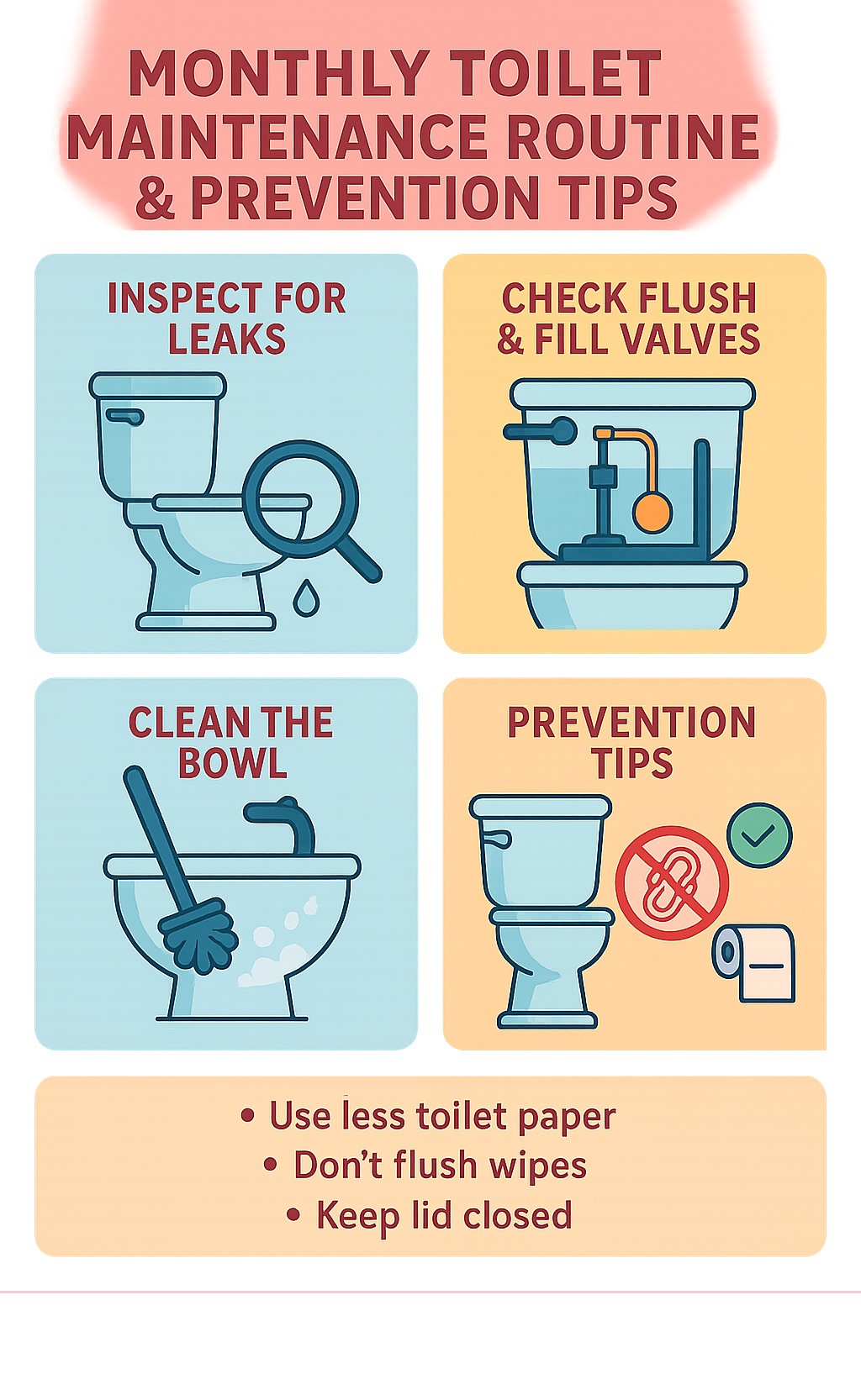
The best approach to dealing with a clogged toilet is preventing it from happening in the first place. After helping thousands of St. Louis homeowners with plumbing issues, I’ve learned that most toilet clogs are completely preventable with the right habits and simple maintenance routines.
Think of toilet maintenance like brushing your teeth—small, consistent efforts prevent big problems down the road. Most prevention strategies are simple changes that become second nature once you establish them.
More info about Clogged Drains Get Fixed Quick
Smart Flushing Habits to Avoid a Clogged Toilet
Your toilet is designed for only three things: human waste, toilet paper, and water. Everything else should find its way to the trash can, not down the drain. This simple rule eliminates about 80% of toilet clogs before they start.
Teaching children proper toilet habits makes a huge difference in preventing clogs. Kids naturally use more toilet paper than needed and often flush inappropriate items out of curiosity.
Limiting toilet paper use doesn’t mean being stingy—it means being smart. Even high-quality toilet paper can cause clogs when used excessively. If you need more paper than usual, consider flushing in smaller batches rather than all at once.
Placing a small trash can in every bathroom provides a convenient alternative for items that shouldn’t be flushed. Cotton swabs, dental floss, feminine hygiene products, and those “flushable” wipes all belong in the trash, not your plumbing system.
Monthly Enzyme Cleaner Routine
One of the smartest maintenance habits you can develop is using enzyme-based cleaners monthly. These products work differently than harsh chemical cleaners—they use natural bacteria to break down organic buildup in your toilet’s trap and drain lines.
The process is incredibly simple. Pour the recommended amount of enzyme cleaner into your toilet bowl before bedtime, allowing it to work overnight without interruption from additional use.
Enzyme cleaners are septic-safe and actually beneficial for homes with septic systems. Unlike chemical cleaners that can kill the helpful bacteria your septic tank needs, enzyme products add more beneficial bacteria that aid in waste breakdown throughout your system.
Consider Upgrading Low-Flow Fixtures
If you’re dealing with frequent clogs despite good habits, your toilet itself might be the problem. Many toilets installed in the 1990s during the early low-flow era simply don’t have enough power to clear waste effectively.
Modern high-efficiency toilets use advanced engineering to provide strong flushing action while conserving water. When shopping for a replacement, look for models with high MaP scores—these ratings indicate superior waste removal capability.
At AAA Home Services, we’ve seen how these simple prevention strategies can eliminate most clogged toilet situations. Our experienced plumbers often share these tips with customers because preventing problems is always better than fixing them after they occur.
Frequently Asked Questions about Snaking a Clogged Toilet
When dealing with a clogged toilet, homeowners often have pressing questions about timing, safety, and when to seek professional help. These are the most common concerns I hear from families throughout the St. Louis area.
How long should I wait after hot-water & soap before flushing?
Patience is your best friend when using the hot water and dish soap method. Wait at least 20 minutes after adding the soap and hot water combination, but I recommend giving it a full 30 minutes for stubborn clogs. The soap needs adequate time to penetrate and lubricate the blockage—rushing this process often means you’ll need to repeat the entire procedure.
Think of it like marinating meat for dinner. The longer you allow the soap to work its magic, the better your chances of success. If you’re using enzyme cleaners for your clogged toilet, the waiting game extends much longer. These natural cleaners typically need 8 to 24 hours to completely break down organic materials, so plan accordingly and use a different bathroom during treatment.
Is it safe to snake if a toy caused the clog?
This question makes every parent’s heart skip a beat! When a toy causes your clogged toilet, proceed with extreme caution. If you can actually see the object and safely grab it by hand while wearing rubber gloves, that’s always your best bet over snaking.
However, if that little action figure or rubber duck has wedged itself into the toilet trap, snaking becomes risky business. The auger can easily push the toy deeper into your plumbing system, turning a simple retrieval into a major excavation project.
Professional plumbers have specialized tools and techniques for safe toy extraction that won’t damage your toilet or create bigger problems down the line. At AAA Home Services, we’ve rescued everything from Hot Wheels cars to jewelry from toilets throughout the Greater St. Louis area—it’s more common than you might think!
What if the clog keeps coming back every week?
Recurring clogs are your toilet’s way of crying for help. When you’re dealing with the same clogged toilet week after week, the problem goes much deeper than surface blockages that DIY methods can address.
Persistent clogs typically signal underlying issues like partial blockages in your main drain line, tree root intrusion in sewer pipes, or hard water mineral buildup that requires professional cleaning equipment. Sometimes the toilet itself has design issues or internal damage that makes it prone to frequent blockages.
Other times, septic system problems create backup issues that no amount of plunging or snaking will permanently solve. Continuing DIY attempts on recurring clogs often worsens the underlying problem and can lead to more expensive repairs down the road.
Professional diagnosis is essential for identifying and correcting the root cause. Our experienced technicians at AAA Home Services can determine whether you’re dealing with a toilet issue, drain line problem, or septic system concern—saving you time, frustration, and money in the long run.
Conclusion
Dealing with a clogged toilet doesn’t have to be a nightmare if you know the right approach. The key is understanding when gentle DIY methods can work and when it’s time to step back and call in the professionals.
Your toilet is more delicate than it appears. Proper technique with the right tools can clear most blockages safely, but forcing a snake or using harsh chemicals can quickly turn a simple fix into an expensive replacement. The porcelain may look tough, but it’s surprisingly vulnerable to thermal shock, chemical damage, and aggressive mechanical action.
Prevention really is your best friend here. Simple habits like keeping a bathroom trash can handy, teaching kids what belongs in the toilet, and using monthly enzyme treatments can prevent most clogs before they start. When problems do arise, start with the gentlest methods—hot water and dish soap, baking soda and vinegar—before moving to mechanical solutions.
At AAA Home Services, we’ve seen it all in our 50+ years serving the Greater St. Louis area. Our experienced plumbers understand that every clogged toilet situation is different, and we bring the right tools and expertise to solve problems safely the first time. With over 8,000 five-star Google reviews, our customers consistently tell us they appreciate our honest approach and fair service.
When your DIY efforts aren’t cutting it, don’t keep forcing the issue. We can often provide same-day or next-day service to get your household back to normal quickly. Our trained technicians have professional-grade equipment specifically designed for tough clogs that won’t damage your fixtures.
Your toilet is an essential part of your home’s comfort and hygiene. Don’t let a stubborn clog disrupt your family’s routine or risk costly damage from improper repair attempts. Contact AAA Home Services when you need reliable, professional solutions that work.


