



Finding the Right Plumbing Professional for Your Home
Finding plumber services doesn’t have to be stressful. Here’s a quick guide to help you locate a reliable plumber:
- Check for proper licensing and insurance – Most states require plumbers to be licensed
- Verify credentials and experience – Look for at least 5 years of experience
- Get multiple quotes – Aim for at least 3 written estimates
- Read reviews and check references – Ask neighbors, family, and friends for recommendations
- Confirm service guarantees – Understand what happens if you’re not satisfied with the work
When your sink starts leaking or your toilet won’t stop running, finding plumber help becomes an urgent priority. Few home emergencies create as much potential damage as plumbing problems, making the search for a qualified professional both critical and often stressful.
The challenge isn’t just about finding someone with a wrench – it’s about finding a trustworthy professional who will solve your problem correctly the first time, at a fair price, without creating new issues.
A reliable plumber should have proper licensing, insurance, and the right experience for your specific problem. Many homeowners make the mistake of hiring the first available service without checking these essential qualifications, often leading to subpar repairs and additional expenses down the road.
I’m Dan W, with experience in managing home repair services and working with technicians to ensure maximum client satisfaction when finding plumber solutions for residential needs. I’ve seen how the right professional can make all the difference between a quick fix and an ongoing nightmare.
Why Plumber Credentials Matter
When it comes to your home’s vital systems, credentials aren’t just paperwork—they’re your peace of mind. You wouldn’t trust your health to an unlicensed doctor, so why risk your home’s plumbing to someone without proper qualifications?
“Most states require plumbers to be licensed, and hiring an unlicensed plumber could lead to poor quality work, costly future expenses, and potential code violations,” warns the Better Business Bureau. This isn’t about bureaucracy—it’s about protecting your family and your investment.
Licensed plumbers bring something invaluable to your home: proven expertise. They’ve completed extensive training, passed challenging exams, and demonstrated real-world competence. They understand building codes inside and out, keeping your water systems both functional and safe.
Ever wondered about the difference between a journeyman and master plumber? It’s significant. Journeyman plumbers have completed at least four years of hands-on training and passed state exams. Master plumbers bring seven or more years of experience and additional certifications to the table. This advanced expertise allows them to tackle more complex plumbing challenges with confidence.
At AAA Home Services, we take credentials seriously. All our technicians are fully licensed and insured—giving you confidence that qualified professionals with proper training are handling your home’s essential systems.
What a Valid License Really Covers
A plumbing license represents years of dedication and proven skills. To earn that credential, plumbers must:
Complete a formal 4-5 year apprenticeship, log thousands of hours working under supervision, pass comprehensive written and practical tests, demonstrate thorough knowledge of local plumbing codes, and commit to ongoing education as technologies and regulations evolve.
When you hire a licensed plumber, you’re not just paying for someone with a wrench. You’re investing in peace of mind—someone who understands the intricate systems keeping your home comfortable and functioning properly.
Licensed plumbers also offer something invaluable: workmanship guarantees. If their work fails inspection or doesn’t meet code requirements, they’re responsible for making it right—typically without additional cost to you. This level of accountability simply doesn’t exist with unlicensed workers.
Proof of Insurance & Bonding
Before welcoming any plumber into your home, verify they carry proper insurance and bonding. Here’s why this matters so much:
Liability insurance (ideally $500,000 minimum) protects your property if accidents happen during repairs. If a plumber accidentally damages your home, their insurance—not your homeowner’s policy—should cover repairs.
Workers’ compensation shields you from liability if someone gets injured on your property. Without this coverage, you could be financially responsible for medical bills and lost wages.
Bonding provides an extra layer of protection against unfinished work, property damage, or theft. If a plumber abandons your job or disappears with your deposit, the bonding company can make things right.
One homeowner shared with us: “I learned about insurance the hard way. An uninsured plumber damaged a water line while fixing my shower, causing water damage to my downstairs ceiling. Since he had no coverage, my homeowner’s insurance had to pay—and my premiums increased the following year.”
At AAA Home Services, we maintain comprehensive insurance coverage and bonding for all our technicians. This isn’t just about following regulations—it’s about giving our customers complete protection and genuine peace of mind when finding plumber services they can trust.
More info about Plumbing Services
Finding Plumber Near You: 7 Proven Search Tactics
When your toilet overflows at midnight or your kitchen sink starts leaking before a dinner party, finding plumber help becomes an urgent mission. But instead of frantically typing “plumber near me” into your search engine and calling the first number you see, take a strategic approach. These seven proven tactics will connect you with qualified professionals who can properly address your specific plumbing needs.

Tactic 1 – Family, Friends & Neighbor Referrals for finding plumber
There’s something reassuringly old-school about asking the people you trust for recommendations when finding plumber services. Your neighbor who just had their bathroom remodeled has no reason to steer you wrong—they simply want to share their positive experience.
When gathering referrals, dig deeper than just asking “Who did you use?” Instead, ask what specifically impressed them about the service. Was the plumber punctual? Did they clean up thoroughly? Were there any unexpected charges? The details matter.
I recently spoke with a homeowner in St. Charles who told me, “When my water heater died, three neighbors all recommended the same plumber. That wasn’t a coincidence—it was a testament to his reliability. When I mentioned my neighbor’s name, he was at my house that afternoon and even remembered specific details about their home’s plumbing layout. That personal connection was invaluable.”
In tight-knit communities throughout the St. Louis area, these word-of-mouth recommendations create a network of trust that online reviews simply can’t match.
Tactic 2 – Vetting Online Reviews & Ratings when finding plumber
While personal recommendations are gold, online reviews provide valuable perspective when finding plumber services, especially if you’re new to the area. The trick is knowing how to read between the lines.
Don’t just look at star ratings—dive into the content of the reviews. What specific issues did customers have? How did the company respond to negative feedback? A company that takes the time to address concerns professionally likely brings that same care to their work.
The Better Business Bureau (BBB) rating system (A+ to F) offers additional insight based on factors including complaint history and business practices. Companies like AAA Home Services that maintain an A+ rating have demonstrated a consistent commitment to customer satisfaction over time.
Watch for red flags like multiple mentions of unexpected charges, reports of unresolved issues, or work that needed to be redone. One or two negative reviews among hundreds of positives isn’t necessarily alarming—what matters is how the company handled the situation.
Tactic 3 – Using Professional Associations & Permitting Offices
Some of the most reliable resources for finding plumber professionals are hiding in plain sight. State licensing boards maintain searchable databases where you can verify a plumber’s credentials with just a few clicks. Professional organizations like the Plumbing-Heating-Cooling Contractors Association (PHCC) can connect you with members who’ve committed to upholding industry standards.
Your local building department can be surprisingly helpful too. A quick call can reveal which plumbers regularly pull permits in your area—a good indication they follow proper procedures and understand local codes.
This approach is particularly valuable for larger projects like bathroom remodels or sewer line replacements where permits are required. A plumber who has an established relationship with your local building department understands the specific requirements for your neighborhood.
Tactic 4 – Comparing 3 Written Quotes
The old advice about getting three quotes still holds true, but what makes a quote truly useful is its level of detail. A hastily scribbled number on a business card isn’t a quote—it’s a guess.
A proper quote should break down labor costs, parts, materials, timeline, and payment terms. This level of transparency allows you to make meaningful comparisons between providers. Are they planning to use the same quality of materials? Is one estimating significantly more labor hours than the others?
Be suspicious of quotes that seem too good to be true—they usually are. Unusually low quotes often lead to additional charges later or indicate corners being cut. Similarly, the highest quote doesn’t automatically guarantee the best work. What you’re looking for is thoroughness and transparency.
Tactic 5 – Checking Punctuality & Communication
A plumber’s approach to time and communication speaks volumes about their professionalism. When you make that initial call, notice how quickly they respond and how thoroughly they answer your questions. Do they seem rushed, or do they take time to understand your concerns?
If a plumber can’t be bothered to show up on time for an estimate or return calls promptly when trying to earn your business, imagine how they’ll behave once they have it.
One St. Louis homeowner shared with me, “I had a plumber who texted me when he was on his way, arrived exactly when promised, and called the next day to make sure everything was working properly. That level of communication made me feel valued as a customer.”
At AAA Home Services, punctuality isn’t just a goal—it’s a commitment. We can often offer same-day or next-day service, depending on availability, and we always keep you informed about when our technicians will arrive.
Tactic 6 – Verifying Specialty Experience
Not all plumbing work requires the same expertise. When finding plumber help for specific needs, make sure they have relevant experience in that particular area.
A plumber who primarily installs new construction may not have the diagnostic skills needed to solve mysterious leaks in older homes. Similarly, water softener installation requires understanding both the mechanics of the system and the specific water quality challenges in your area—something particularly important in St. Louis and St. Charles counties, where water hardness can vary significantly.
Don’t be shy about asking potential plumbers how many similar jobs they’ve completed recently. A true specialist will happily share their expertise and might even show you photos of previous work. For specialized services like Water Softener Installation Service, this specific experience makes all the difference between a system that works perfectly and one that creates new problems.
Tactic 7 – Mobile Apps & Tech Tools
The plumbing industry might be centuries old, but modern technology has revolutionized how we connect with these essential professionals. Mobile apps and online platforms now make finding plumber services more convenient than ever.
The Neighborly app, for example, connects homeowners with local service professionals and offers exclusive promotions you won’t find elsewhere. With just a few taps, you can schedule a service call, receive notifications about your appointment, and even store records of previous work for future reference.
These tech tools are particularly helpful for scheduling routine maintenance or non-emergency repairs at your convenience. Rather than playing phone tag during work hours, you can request service while relaxing on your couch in the evening.
AAA Home Services accepts these technological advances while maintaining the personal touch that has built our reputation throughout the St. Louis area for over 50 years. We combine the convenience of modern scheduling with the craftsmanship and care that only comes with experience.
The 10 Must-Ask Questions Before You Hire
When inviting a plumber into your home, you’re not just hiring a service – you’re putting your trust in someone to protect one of your most valuable investments. Before you make that decision, arm yourself with these ten essential questions that can make all the difference.
“Are you licensed, insured, and bonded?” should always be your first question. Don’t just take their word for it – ask to see proof of these credentials. A professional plumber will happily provide this documentation, showing they have nothing to hide.
“How long have you been solving problems like mine?” Experience speaks volumes in the plumbing world. A plumber with at least 5 years of relevant experience has likely encountered your specific issue before and developed efficient solutions through trial and error.
One St. Louis homeowner shared, “When I interview plumbers, I learn more in the first five minutes of conversation than from hours of online research. How they answer these questions tells me everything about their professionalism and expertise.”
“Can I get that in writing?” Verbal estimates can change dramatically once work begins. A trustworthy plumber will provide a detailed written estimate that outlines exactly what you’re paying for, eliminating surprises when the bill arrives.
“What happens if something goes wrong after you leave?” Understanding the warranty and guarantee policy is crucial. Quality plumbers stand behind their work with clear terms about what’s covered and for how long.
“Who will be working in my home?” Some companies send knowledgeable estimators but assign less experienced technicians to do the actual work. Knowing exactly who will be handling your plumbing matters for both quality and security.
“How do your fees work?” Transparent pricing is essential. Ask whether they charge flat rates or hourly, what happens if complications arise, and if there are additional fees for parts, travel, or emergency service.
“Will you clean up when you’re finished?” Your home deserves respect. Professional plumbers should leave your space as clean – or cleaner – than they found it, removing all debris and packaging from new parts.
“Can you share references for similar work?” Requesting examples of comparable projects helps verify their expertise with your specific issue, whether it’s a toilet repair or complete bathroom remodel.
“What’s your timeline for this project?” Understanding when they’ll start and finish helps you plan accordingly, especially for projects that might temporarily limit access to important fixtures.
“What payment methods do you accept, and when is payment due?” Avoid companies demanding full payment upfront. Most reputable plumbers request partial payment to begin work, with the balance due upon satisfactory completion.
Crafting a Solid Plumbing Contract
For larger plumbing projects, a detailed contract protects both you and your plumber from misunderstandings and disputes. This crucial document should spell out every aspect of your agreement in clear, specific terms.
A comprehensive plumbing contract includes a complete scope of work that details exactly what will be done – not vague descriptions like “fix bathroom plumbing” but specific tasks like “replace 1.6 GPF American Standard toilet with new Kohler Cimarron model.”
Start and completion dates should be clearly stated, along with a realistic payment schedule. Never agree to pay 100% upfront – a reasonable deposit followed by payments tied to project milestones is standard practice among reputable plumbers.
“I keep a detailed plumbing service agreement to track maintenance and repairs,” advises one homeowner. “This documentation has saved me thousands by preventing duplicate work and helping me plan for replacements before emergency failures.”
Your contract should clarify who’s responsible for obtaining necessary permits and scheduling inspections – typically the plumber’s responsibility, but confirming this prevents costly delays. Additionally, include provisions for how unexpected issues will be handled through a formal change order process.
Even for simple repairs, having the scope and cost in writing provides valuable protection. At AAA Home Services, we provide clear documentation for every job, regardless of size, ensuring both parties have the same expectations.
Understanding Warranties & Guarantees
The work performed in your home should stand the test of time, and quality plumbers back this up with solid warranties and guarantees. Understanding these protections helps you make informed decisions and provides peace of mind long after the work is complete.
Parts warranties typically cover the physical components installed in your home, usually ranging from 1-5 years depending on the manufacturer. These warranties protect against defects in the products themselves.
Labor guarantees specifically address the quality of the workmanship, typically covering 30 days to 1 year. This means if a properly installed part fails due to installation error, the plumber will fix it at no additional cost.
Satisfaction guarantees go beyond technical performance to address your overall experience. These guarantees ensure the work meets your expectations not just functionally, but aesthetically as well.
Don’t hesitate to ask specific questions about warranty coverage: Will they return for free within the warranty period? Does the warranty transfer if you sell your home? What circumstances might void the warranty? Is there a service fee for warranty-related visits?
At AAA Home Services, we stand firmly behind our work. Our customers enjoy the confidence of knowing their plumbing work is protected long after we leave their home, reflecting our commitment to lasting quality and customer satisfaction.
Plumbing Costs & Quotes Explained
Understanding how plumbers structure their pricing helps you avoid sticker shock and make informed decisions when comparing estimates. After all, your home’s plumbing system is too important to trust to the lowest bidder without understanding what you’re really getting.
Most professional plumbers use one of two common pricing approaches, and knowing the difference helps you interpret quotes more accurately:
Hourly Rate + Materials means you’ll pay for the time spent (typically $45-$200 per hour depending on experience level) plus the cost of parts. Many plumbers add a markup on materials, which covers their time sourcing quality components and their guarantee on those parts. This approach works well for jobs where the scope might change once work begins.
Flat Rate Pricing provides a single price for the entire job, regardless of how long it takes. This model gives you certainty about your final cost, though it usually includes a buffer for unexpected complications. As one homeowner shared, “I appreciated knowing exactly what I’d pay before work started—no surprises when the bill came.”
Your final price will also reflect several other important factors that many homeowners don’t consider. The accessibility of your pipes, the age of your home’s plumbing system, travel distance for the plumber, and whether permits are required can all significantly impact your quote.
When comparing estimates from different companies, make sure you’re evaluating equivalent services. One quote might seem higher because it includes higher quality parts, more comprehensive service, or better warranties. The details matter!
Typical Hourly & Project Rates
While rates vary by region and complexity, there are some general guidelines that can help you budget appropriately for your plumbing needs:
For common projects, you can expect to pay about $325 for an average plumbing repair, between $150-$400 for simple toilet repairs, and anywhere from $1,000-$4,000 for burst pipe repairs, depending on location and extent of damage.
“I learned the hard way that the cheapest option isn’t always the best value,” one St. Louis homeowner told us. “I hired the lowest bidder for my bathroom sink installation. Six months later, I had to hire a different plumber to fix the leaks and water damage that resulted from the poor installation. I ended up paying three times what the middle-bid plumber had originally quoted.”
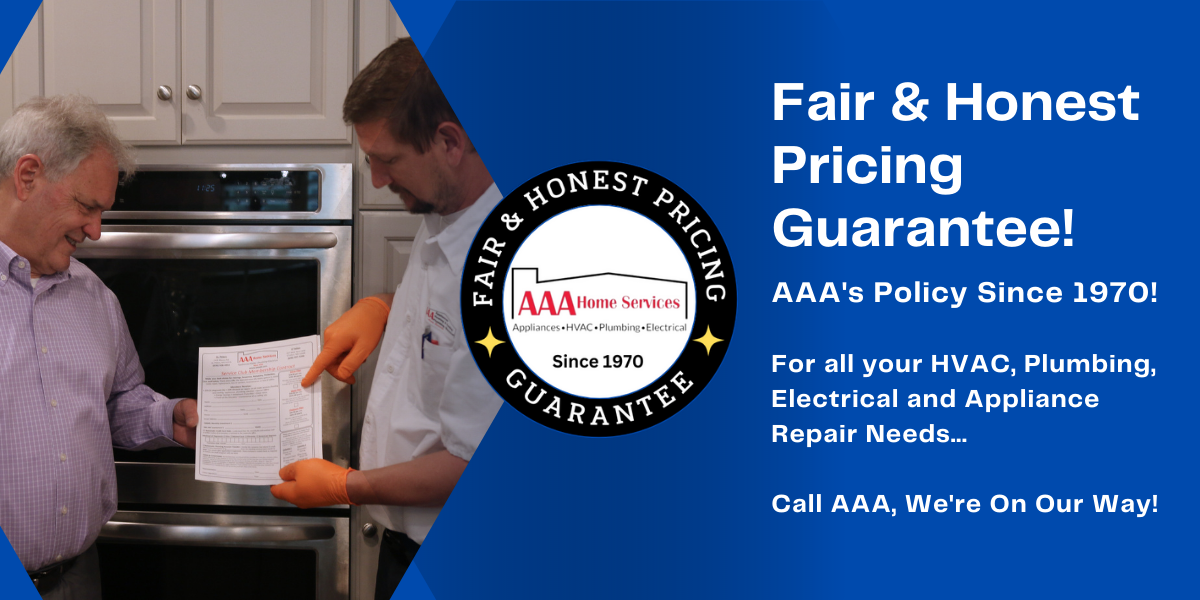
At AAA Home Services, we believe in fair, honest pricing with no hidden fees or surprises. Our quotes are transparent and comprehensive, so you know exactly what you’re paying for before work begins—helping you avoid those costly do-overs that plague many homeowners who choose based on price alone.
Cost of Upgrades (e.g., Tankless Water Heaters)
Upgrading your plumbing systems often involves higher upfront costs but can provide significant long-term savings and added convenience. Tankless water heaters are a perfect example of this value proposition.
While tankless models cost more initially than traditional tank water heaters, they offer several compelling advantages that make them worth considering:
Longer lifespan is a major benefit—tankless units typically last 20+ years compared to just 8-12 years for conventional tanks. This means you’ll replace your water heater less frequently, saving both money and hassle.
Energy efficiency is another significant advantage. According to the Department of Energy, demand-type water heaters can be 24–34% more energy efficient than conventional storage tank water heaters for homes that use 41 gallons or less of hot water daily. Those savings add up month after month on your utility bills.
Endless hot water supply means no more cold showers when you’re the last one in line. Unlike tank models that can run out of hot water, tankless heaters warm water on demand, ensuring comfort for the whole family.
Space savings in your home shouldn’t be overlooked either. Tankless models mount on the wall, freeing up valuable floor space in utility rooms or basements.
When considering such upgrades, it’s important to think beyond the initial price tag. Factor in both the immediate costs and the long-term benefits, including increased home value, energy savings, and improved functionality. A professional from AAA Home Services can help you calculate the true cost-benefit ratio for your specific situation.
While the price tag matters, the value you receive—in terms of reliability, durability, and peace of mind—is what truly counts when finding plumber services for your home’s important systems.
When to Call a Pro vs Basic Upkeep
Knowing when to tackle a plumbing issue yourself and when to call in the professionals can save you time, money, and a whole lot of headaches. While some minor maintenance tasks are perfectly suitable for homeowners, other problems require the expertise and specialized tools that only a trained plumber can provide.
Red-Flag Symptoms That Require a Licensed Plumber
Your home’s plumbing system often gives warning signs before a major disaster strikes. Being able to recognize these signals can help you address issues before they escalate into costly emergencies.
Sudden changes in water pressure throughout your home shouldn’t be ignored. What seems like a minor inconvenience could actually indicate a serious leak or broken water line somewhere in your system. One St. Louis homeowner told us, “I thought the weak shower pressure was just normal for an older home until a plumber found a major pipe leak inside my wall that was days away from causing serious structural damage.”
Strange gurgling sounds coming from your drains or inside your walls are your plumbing’s way of crying for help. These noises typically signal venting problems or partial blockages that could soon lead to complete backups if not addressed promptly.
Persistent foul odors around drains or in bathrooms might indicate more than just a need for cleaning. These smells often point to broken seals, sewer line issues, or problems with your home’s plumbing ventilation system that could pose health risks to your family.
Discolored water coming from your taps is never normal. Brown, yellow, or rusty water often signals pipe corrosion or water heater problems that need professional attention. As one AAA Home Services technician explained, “Water should always be clear. Any discoloration means something in your system is breaking down.”
Unexplained increases in your water bill without a corresponding increase in usage is one of the clearest signs of a hidden leak. These concealed problems can waste thousands of gallons of water while damaging your home’s structure, often in places you can’t easily see.
Multiple clogged drains happening simultaneously almost always indicates a problem in your main sewer line rather than individual fixtures. This situation requires specialized equipment and expertise to resolve properly.
Water pooling around your home’s foundation is a serious red flag that should never be ignored. This symptom often indicates a broken water main or sewer line that requires immediate professional intervention to prevent foundation damage and potential health hazards.
Simple Upkeep Homeowners Can Handle
While many plumbing issues require professional expertise, there are some basic maintenance tasks that can help prevent problems and keep your system running smoothly between professional service visits.
Knowing your shut-off valves is perhaps the most important plumbing skill any homeowner can develop. Take time to locate and learn how to operate your main water shut-off valve as well as individual fixture shut-offs. This knowledge can be invaluable during an emergency, potentially saving thousands in water damage. Practice turning these valves off and on occasionally to ensure they don’t seize up when you need them most.
Regular visual inspections under sinks, around toilets, and near your water heater can help catch small issues before they become major problems. Look for signs of moisture, corrosion, or water stains that might indicate slow leaks. One homeowner shared, “I make it a habit to check under my sinks with a flashlight every month when I pay bills. It takes just seconds but has helped me catch two small leaks before they caused damage.”
Cleaning faucet aerators every few months helps maintain proper water flow and pressure. Simply unscrew the tip of the faucet and rinse away any mineral buildup that has accumulated. This is particularly important in areas with hard water like St. Louis County.
Testing for toilet leaks is simple but can save significant money on water bills. Add a few drops of food coloring to your toilet tank and wait 15-30 minutes without flushing. If color appears in the bowl, you have a leak that’s silently wasting water. While identifying the leak is DIY-friendly, having a professional repair it ensures the problem is fixed correctly.
Monitoring drain performance can help you catch developing clogs before they completely block your pipes. If you notice water draining more slowly than usual, it’s often better to have a professional address the issue rather than relying on harsh chemical cleaners that can damage your pipes.
While these basic maintenance tasks can help keep your plumbing system healthy, they’re no substitute for professional service when real issues arise. At AAA Home Services, our technicians not only address current problems but also identify potential issues before they become emergencies. This preventive approach has saved countless homeowners from unexpected plumbing disasters and costly emergency repairs.
For more tips on preventing one common plumbing problem, check out our guide on Spotting & Preventing Drainage Clogs.
Preparing for & Following Up on a Plumber Visit
When you’ve finally succeeded in finding plumber help, making the most of their visit begins well before they arrive at your door. A little preparation can save you time, money, and frustration while ensuring the plumber can work efficiently.
Think of preparing for your plumber like preparing for houseguests – you want to make them feel welcome and able to do what they need to do. Clear the workspace around fixtures that need attention. Those cleaning supplies and hair products under the bathroom sink? The collection of dish soap and sponges under the kitchen sink? They’ll need to find a temporary home elsewhere.
“When I know a plumber is coming, I clear everything out from under all my sinks, even if I think they’ll only need to access one,” shares a homeowner in Chesterfield. “This simple step has saved time and money on multiple occasions when the plumber found related issues that needed attention.”
Your four-legged family members might be curious about the new visitor, but it’s best to keep pets secured in another room. This protects both your pets and allows the plumber to work without distraction. Similarly, keep young children at a safe distance from the work area.
Before the plumber arrives, take a few photos or videos of visible issues like leaks or water damage. This visual documentation helps you communicate the problem clearly and provides a “before” reference to compare with the completed work.
Prepare a list of questions you want to ask about the repair, maintenance recommendations, or prevention tips. Writing them down ensures you won’t forget anything important in the midst of explaining the problem or discussing the solution.
What to Do While You Wait
Plumbing problems rarely happen at convenient times, and sometimes you’ll need to manage the situation while waiting for professional help to arrive. If you’re dealing with an active leak or other emergency, knowing what to do can prevent extensive damage.
First and most importantly, locate and use the appropriate shut-off valve. Most fixtures have individual shut-off valves nearby – under sinks or behind toilets. For major issues, you may need to use your home’s main water shut-off valve. Knowing where these valves are before an emergency happens can save precious minutes and prevent significant water damage.
Once you’ve stopped the water flow, minimize existing damage by placing buckets under active leaks and using towels to soak up standing water. If you have a wet/dry vacuum, use it to remove water from floors and carpets.
Take a few minutes to document the damage with photos or videos, especially if it’s extensive enough that you might need to file an insurance claim. This documentation can be valuable for both insurance purposes and helping the plumber understand the extent of the problem.
While waiting for your plumber, it’s best to avoid using other plumbing fixtures in your home. Using toilets, sinks, or showers can sometimes increase pressure in the system and worsen the existing problem.
These are just temporary measures to minimize damage until professional help arrives. The underlying issue will still require proper repair by a qualified plumber from a trusted service like AAA Home Services.
Post-Service Checklist
Once your plumber has completed the work, take a few minutes to ensure everything is in order before they leave. This post-service review can prevent future problems and give you peace of mind.
Ask your plumber to show you what was done and explain any repairs or replacements. This is your opportunity to understand what caused the problem and how the solution addresses it. Don’t be shy about asking questions – professional plumbers like those at AAA Home Services are happy to explain their work.
Before your plumber leaves, test the repairs by running water, flushing toilets, or checking whatever was fixed to ensure proper function. It’s much easier to address any concerns while the plumber is still in your home.
Take a moment to review the invoice carefully, ensuring it matches the initial quote and includes an itemized breakdown of parts and labor. If there are any discrepancies or charges you don’t understand, ask for clarification.
Be sure to get written warranty information for both parts and labor. Quality plumbing companies stand behind their work with solid guarantees. At AAA Home Services, we provide clear documentation of all warranties so you know exactly what’s covered and for how long.
Keep detailed records of all plumbing work done in your home. File the invoice, warranty information, and any maintenance recommendations in a dedicated home maintenance folder or digital file. These records can be invaluable for future reference or if you sell your home.
If your plumber recommends follow-up maintenance, set a reminder in your calendar or phone. Regular maintenance can prevent many common plumbing problems and extend the life of your fixtures and systems.
Finally, if you’re satisfied with the service, consider providing feedback through an online review or by referring the plumber to friends and family. Your recommendation helps other homeowners in the St. Louis area who are also finding plumber services they can trust.
At AAA Home Services, we value this feedback and use it to continuously improve our service. Our technicians take pride in explaining their work clearly and offering maintenance tips to help prevent future problems in your home.
Frequently Asked Questions about Hiring a Plumber
How many quotes should I get?
Finding the perfect plumber for your home project isn’t just about price—it’s about finding the right fit. While we recommend getting at least three written quotes for significant plumbing work, what you do with those quotes matters even more.
Three quotes gives you a clear picture of the market rate and helps you spot any outliers—whether suspiciously low or unnecessarily high. For planned projects like bathroom remodels or water heater upgrades, taking time to gather multiple quotes is well worth the effort.
“I always tell homeowners to look beyond the bottom line,” shares one St. Louis contractor. “A quote that’s significantly lower than others often means corners will be cut somewhere—usually in materials quality or labor time.”
When comparing your quotes, pay attention to the scope of work included, quality of materials specified, completion timeline, and warranty terms. The plumber’s experience with similar projects should also factor heavily into your decision. The cheapest option rarely delivers the best long-term value, especially if it means using lower-quality parts that might fail sooner.
At AAA Home Services, we provide detailed quotes that break down exactly what you’re paying for, so you can make an informed comparison with other providers.
What’s the difference between a plumber and a plumbing contractor?
This distinction often confuses homeowners, but understanding the difference helps you hire the right professional for your specific needs.
A plumber is an individual tradesperson who has completed the necessary training and licensing requirements to perform plumbing work. They excel at handling repairs, installations, and maintenance of existing plumbing systems. Think of tasks like fixing leaky faucets, replacing toilets, or clearing stubborn clogs.
A plumbing contractor, on the other hand, is a business entity that may employ multiple plumbers and takes on larger, more complex projects. These companies typically hold additional business licenses and insurance, pull permits for major work, and coordinate with other trades on remodeling or new construction projects. Many also offer design services for kitchen or bathroom renovations and may specialize in commercial or new construction work.
“For my simple toilet replacement, I hired an individual plumber,” explains a homeowner in St. Charles. “But when we remodeled our entire bathroom, we needed a plumbing contractor who could coordinate with the tile installer and electrician.”
For everyday repairs and maintenance, an individual plumber usually provides everything you need. For whole-house repiping, bathroom remodels, or major system replacements, a plumbing contractor offers the broader expertise and resources required.
At AAA Home Services, we’re equipped to handle both simple repairs and complex projects, giving you a single trusted resource for all your plumbing needs throughout St. Louis and St. Charles counties.
What if I’m not satisfied with the work?
Even with careful vetting, sometimes plumbing work doesn’t meet your expectations. Knowing how to address these situations can save you frustration and help ensure a satisfactory outcome.
Your first step should always be direct communication with your plumber. Clearly explain your concerns, being specific about what isn’t meeting your expectations. Most reputable professionals genuinely want to deliver quality work and will appreciate the opportunity to address legitimate issues.
Before making that call, review your contract to understand what guarantees or warranties were provided. Quality plumbers stand behind their work with clear satisfaction guarantees that outline the resolution process.
“When I wasn’t happy with how my new faucet was functioning, I called my plumber and explained the issue,” shares a Chesterfield homeowner. “He came back the next day, identified the problem was a defective part, and replaced it at no charge. That’s the kind of service you want.”
If speaking directly with your plumber doesn’t resolve the issue, and you’re working with a larger company, escalate to management. Reputable companies like AAA Home Services have processes in place to address customer concerns promptly and fairly.
Throughout this process, document everything—take photos of any issues and keep records of all communications. This documentation becomes valuable if you need to file a formal complaint with your local licensing board or the Better Business Bureau.
If you haven’t paid in full, you may have some payment leverage to ensure the work is completed properly. However, withholding payment should be a last resort and done in accordance with the terms of your contract.
At AAA Home Services, customer satisfaction drives everything we do. With over 50 years of experience serving the Greater St. Louis area, we’ve built our reputation on making things right. Our work is backed by a satisfaction guarantee, and we stand firmly behind our craftsmanship—giving you peace of mind that your plumbing project will be done right the first time.
Conclusion
The journey of finding plumber services needn’t be overwhelming. Throughout this guide, we’ve walked through the essential steps to connect with qualified professionals who will treat your home with the care it deserves. From verifying credentials to comparing multiple quotes, your diligence pays dividends in quality workmanship and peace of mind.
When it comes to your home’s plumbing systems, value trumps price every time. Those who choose professionals based solely on the lowest bid often find themselves calling a second plumber to fix what the first one couldn’t. Quality plumbing work from licensed professionals is an investment in your home’s long-term health and your family’s comfort.
For over five decades, we at AAA Home Services have been privileged to serve families throughout St. Louis, St. Charles, and Warren County with reliable plumbing solutions. Our team brings not just tools and parts to your home, but also the expertise that comes from thousands of successful repairs and installations. We understand that inviting someone into your home requires trust—trust we’ve earned through consistently delivering on our promises.
What truly sets us apart isn’t just our technical knowledge, but our commitment to treating your home as if it were our own. Our technicians take the time to explain what’s happening with your plumbing in plain language, answer your questions, and ensure you’re completely comfortable with the work being done.

Small plumbing issues have a way of becoming major headaches when ignored. That dripping faucet isn’t just wasting water—it’s signaling a problem that could eventually lead to more significant damage. Our team at AAA Home Services can often provide same-day or next-day service, depending on availability, getting your home back to normal quickly.
With over 8,000 Google reviews testifying to our commitment to excellence, you can trust that your plumbing needs are in capable hands. Whether you’re dealing with a stubborn clog, planning a bathroom remodel, or considering upgrading to more efficient fixtures, we’re here to provide solutions that make sense for your home and budget.
Your family deserves the confidence that comes from properly functioning plumbing systems. Contact AAA Home Services today for dependable solutions delivered with warmth, professionalism, and respect for your home.


