



Why a Slow Draining Sink Demands Your Attention
A slow draining sink is more than just an annoyance; it’s a sign that a clog is forming in your plumbing. Whether it’s standing water in the kitchen after washing dishes or in the bathroom after brushing your teeth, this common issue disrupts your routine and can lead to foul odors, bacterial growth, and even water damage if ignored.
While it might be tempting to ignore a slow drain, it often signals a deeper issue. It’s crucial to know when to call a professional, especially if:
- Multiple drains in your home are slow
- Water backs up in other fixtures
- You hear gurgling sounds or notice persistent odors
- The clog keeps coming back
These symptoms often require the expertise of a certified plumber to diagnose the root cause without damaging your pipes. I’m Dan Walsh, and with decades of experience managing home repairs in the Greater St. Louis area, I’ve helped countless homeowners resolve every type of slow draining sink issue. This guide will walk you through the causes of your drainage problems and explain how to get your sink flowing freely again.
Understanding and Fixing a Slow Draining Sink
When you’re dealing with a slow draining sink, you’re not just facing an annoying inconvenience—you’re looking at a symptom of something happening deeper in your plumbing system. Understanding what’s causing the problem is the first step toward fixing it.
Common Culprits Behind a Slow Draining Sink
Most slow draining sink problems are caused by a handful of common culprits building up over time. In bathroom sinks, hair buildup is the primary offender, weaving into mats that trap soap scum. This sticky residue from bar soaps clings to pipes, and in areas with hard water like St. Louis, mineral deposits worsen the problem. In the kitchen, grease and oil are the main villains. Poured down the drain as hot liquids, they solidify in the pipes, creating a waxy coating that traps food debris like coffee grounds and pasta. Even small foreign objects like jewelry or bobby pins can fall down the drain and start a clog. For a list of what to keep out of your drain, see our guide on Spotting & Preventing Drainage Clogs.
The Anatomy of Your Sink’s Plumbing
A few key components under your sink are critical for proper drainage.
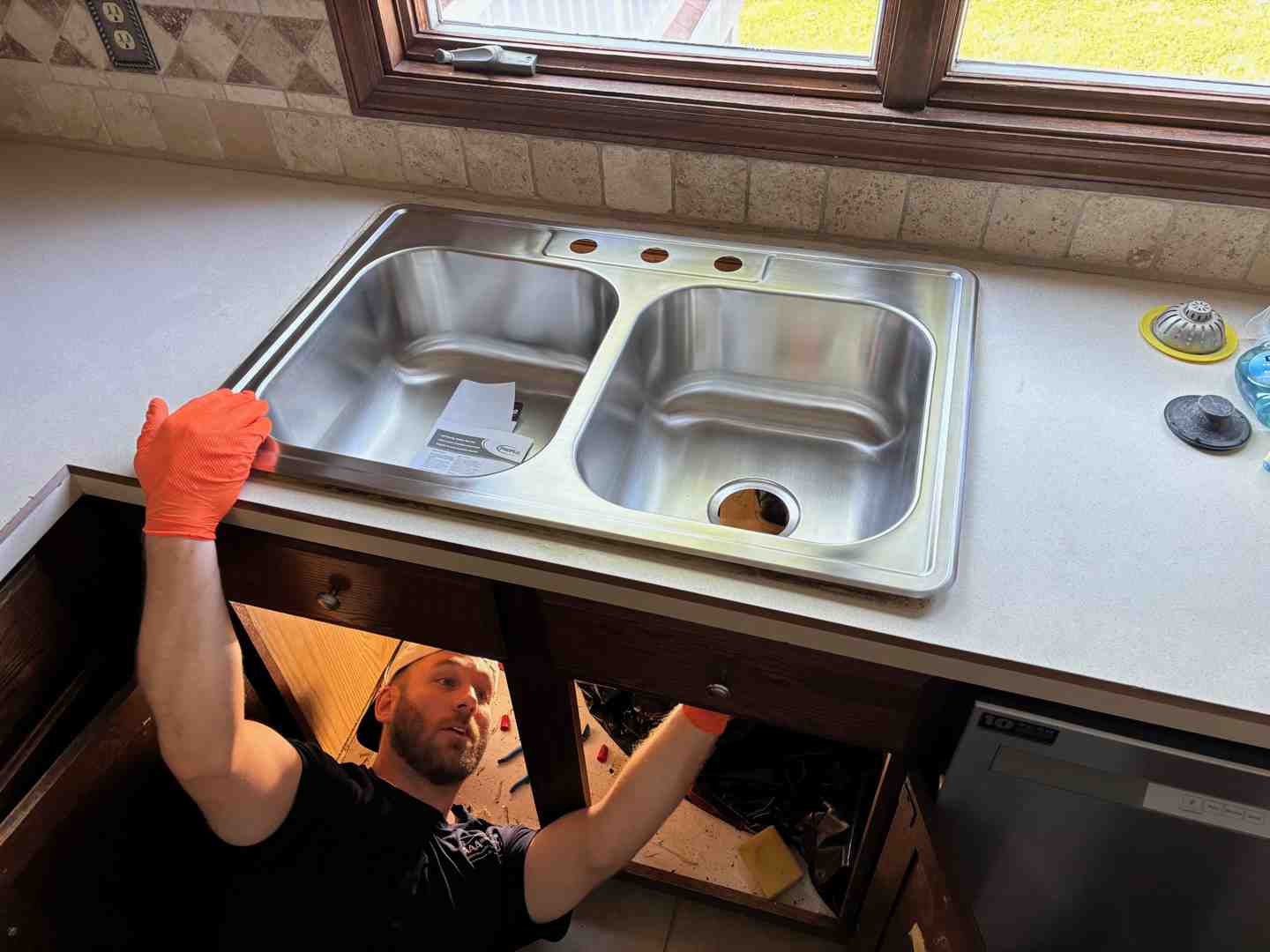
The P-trap is the U-shaped pipe beneath your sink. Its curve catches debris, making it a common spot for clogs, and holds water to block sewer gases from entering your home. Older homes may have an S-trap, which is now prohibited by building codes because it can allow sewer gas to escape. You can learn more at this comparison of P-traps vs. S-traps.
The vent pipe, which runs to your roof, is also essential. It allows air into the plumbing system, preventing a vacuum effect that can slow or stop drainage and cause gurgling sounds. A blocked vent requires professional attention, and our team offers Vent Stack Repair Services to resolve these issues.
Why Professional Drain Cleaning is Essential
While it’s tempting to try to fix a slow draining sink on your own, it’s important to understand the risks. Without the proper tools and expertise, you can easily push a clog deeper, scratch your pipes, or cause a leak, turning a minor inconvenience into a major problem.
Our trained technicians at AAA Home Services understand the nuances of different plumbing systems, from modern PVC to the older cast iron pipes found in many St. Louis-area homes. We use professional-grade equipment to safely and effectively clear blockages without damaging your plumbing. Attempting complex repairs without the right knowledge can cause leaks or burst pipes. When you have a stubborn clog, calling a professional for Drain Cleaning is the safest and most effective solution.
Kitchen vs. Bathroom Sinks: Different Clogs, Different Approaches
The cause of a slow draining sink often depends on its location.
Kitchen sinks suffer from grease solidification. Hot grease cools and hardens inside pipes, creating a sticky trap for food particle buildup. Even with a garbage disposal, items like coffee grounds and starchy foods contribute to dense clogs.
Bathroom sinks primarily struggle with hair clogs. Hair combines with sticky toothpaste and soap residue to form stubborn blockages. The pop-up stopper is also a common culprit, as it’s designed to catch debris and can become coated in a slimy buildup that restricts water flow. Regularly cleaning the stopper can help prevent many bathroom sink issues.
Red Flags: When to Call a Certified Plumber
Some symptoms of a slow draining sink are red flags that demand immediate professional attention. Call a plumber if you notice:
- Multiple slow drains: If your sink, shower, and toilet are all draining slowly, you likely have a main sewer line blockage.
- Recurring clogs: Clogs that keep coming back indicate a deeper problem that DIY methods can’t solve.
- Foul odors or gurgling noises: Persistent bad smells or gurgling sounds often point to sewer gas leaks or a blocked vent pipe.
- Water backing up: If running one fixture causes water to back up in another (e.g., flushing a toilet makes the shower drain gurgle), you have a serious blockage.
- Tree root intrusion: In the St. Louis area, tree roots are a common cause of major sewer line clogs, requiring specialized equipment to clear.
- Older plumbing: Homes built before the 1980s often have cast iron or clay pipes that are prone to corrosion and collapse, causing chronic issues.
Ignoring these signs can lead to sewage backups and costly water damage. Our certified plumbers have the tools and experience to handle these complex issues. As Sara B. from Creve Coeur shared, “Fast, professional, honest. AAA is my go-to home repair provider. I have used them for HVAC, plumbing and appliance repair. I worked with Jim and he walked me through everything and answered all of my questions. I highly recommend them.” When you see these red flags, contact a Certified Plumber from AAA Home Services right away.
Proactive Drain Care and Professional Solutions
Prevention is always better than a cure, especially with plumbing. Adopting simple habits can keep your drains flowing freely and help you avoid the headache of a slow draining sink.
Keeping Your Drains Flowing Freely
Consistent, mindful care is the key to healthy drains. In the kitchen, always collect cooking grease in a container for disposal instead of pouring it down the drain. Use drain screens to catch food scraps, and run hot water for 30 seconds after washing dishes to flush away residue.
In the bathroom, use a drain guard to catch hair and clean your pop-up stopper weekly to remove buildup. A weekly hot water flush can also help dissolve soap scum and toothpaste. Crucially, avoid harsh chemical drain cleaners. These products can damage your pipes, especially older ones common in St. Louis homes, and often provide only a temporary fix.
| Preventative Measure | Kitchen Sinks | Bathroom Sinks |
|---|---|---|
| Hot water flushes | After washing dishes, run hot water for 30 seconds | Weekly hot water flush to dissolve soap scum |
| Drain guards/screens | Catch food particles and prevent disposal overload | Catch hair before it enters pipes |
| Proper disposal | Never pour grease; dispose of coffee grounds, eggshells in trash | Clean pop-up stopper weekly |
| What to avoid | Chemical drain cleaners; fibrous vegetables; pasta/rice | Chemical drain cleaners; flushing dental floss |
Professional Solutions When You Need Them
Even with diligent care, stubborn clogs can happen. When they do, AAA Home Services is here to help. Our technicians don’t just clear your slow draining sink; we diagnose the root cause to provide a lasting solution. As Mike M. from Webster Groves shared, “Jack was fantastic, he repaired the issues very quickly, he talked me through his repair and he called and was able to show up before the time I was told which I really appreciated. I will definitely be using them again.”
For over 50 years, we’ve built our reputation on honest pricing and reliable service in the Greater St. Louis area. With over 8,000 Google reviews, our customers trust our professionalism and expertise. We can often provide same-day or next-day service to get your home back to normal quickly.
As Sharon S. from Wentzville noted, “We use AAA for all home services as we are service club members. They do great work and are always pleasant and respectful of our home. They are very knowledgeable and explain everything they are doing. Love this business!”
Don’t let a slow draining sink escalate. For a comprehensive Drain Cleaning Service that addresses the real problem, contact AAA Home Services today.


