



Understanding Plumber Certification: What Homeowners Need to Know
A certified plumber is a professional who has completed specific training, apprenticeship hours, and passed licensing exams required by state authorities to legally perform plumbing work.
What is a certified plumber?
- A plumbing professional with state-issued credentials
- Has completed 4-5 years of training and apprenticeship
- Passed rigorous exams on plumbing codes and practices
- Can legally perform regulated plumbing work
- Carries proper insurance and bonding
- Must complete continuing education to maintain certification
When faced with a leaking pipe or a backed-up drain, understanding the importance of hiring a certified plumber can save you from costly mistakes and potential safety hazards. Not all individuals who call themselves “plumbers” have the proper credentials to work on your home’s vital water and waste systems.
The plumbing industry is experiencing steady growth, with the Bureau of Labor Statistics projecting a 5% increase in plumbing jobs by 2030. This growth, combined with an aging workforce, means certified plumbers are in high demand across the country.
I’m Dan W, with extensive experience managing home repair services and certified plumber teams to deliver maximum service satisfaction to homeowners just like you. Throughout my career working with certified plumbers, I’ve seen how proper credentials separate quality professionals from those who might cut corners.
What Is a Certified Plumber?
A certified plumber is much more than someone who fixes leaky faucets. They’re professionals who have earned a state-issued license granting them legal authority to install, repair, and maintain the plumbing systems that keep our homes safe and functional. This certification represents years of dedicated training, hands-on experience, and proven knowledge of plumbing codes and safety practices.
The plumbing profession offers solid career prospects with good earning potential. According to the Bureau of Labor Statistics, plumbers earn a median annual wage of $56,330 – higher than many other skilled trades. This reflects the specialized expertise and responsibility these professionals bring to your home.
With the industry growing at about 3.2% over the past five years and approximately 51,000 new plumbing positions projected annually, certified plumbers remain in steady demand across residential communities nationwide.
Plumber vs. Licensed/Certified Plumber
The difference between someone who simply calls themselves a “plumber” and a certified plumber is significant – and it’s something every homeowner should understand before hiring help.
That friendly neighborhood handyman might be able to replace a basic faucet or clear a simple clog, but they lack the comprehensive training and legal authority to tackle more complex plumbing work. More importantly, they may not understand local building codes or proper installation techniques that protect your family’s health and safety.
As one industry expert cleverly noted, “A plumber by any other name than a licensed plumbing contractor is not the same thing.” This Shakespeare-inspired observation highlights an important truth: credentials really do matter when it comes to your home’s vital systems.
A certified plumber brings essential protections including demonstrated technical proficiency, up-to-date knowledge of plumbing regulations, proper liability insurance coverage, accountability to a licensing board, and a commitment to ongoing education. In many states, performing plumbing work without proper certification isn’t just risky – it’s illegal and can result in hefty penalties.
License Levels Every Certified Plumber Must Climb
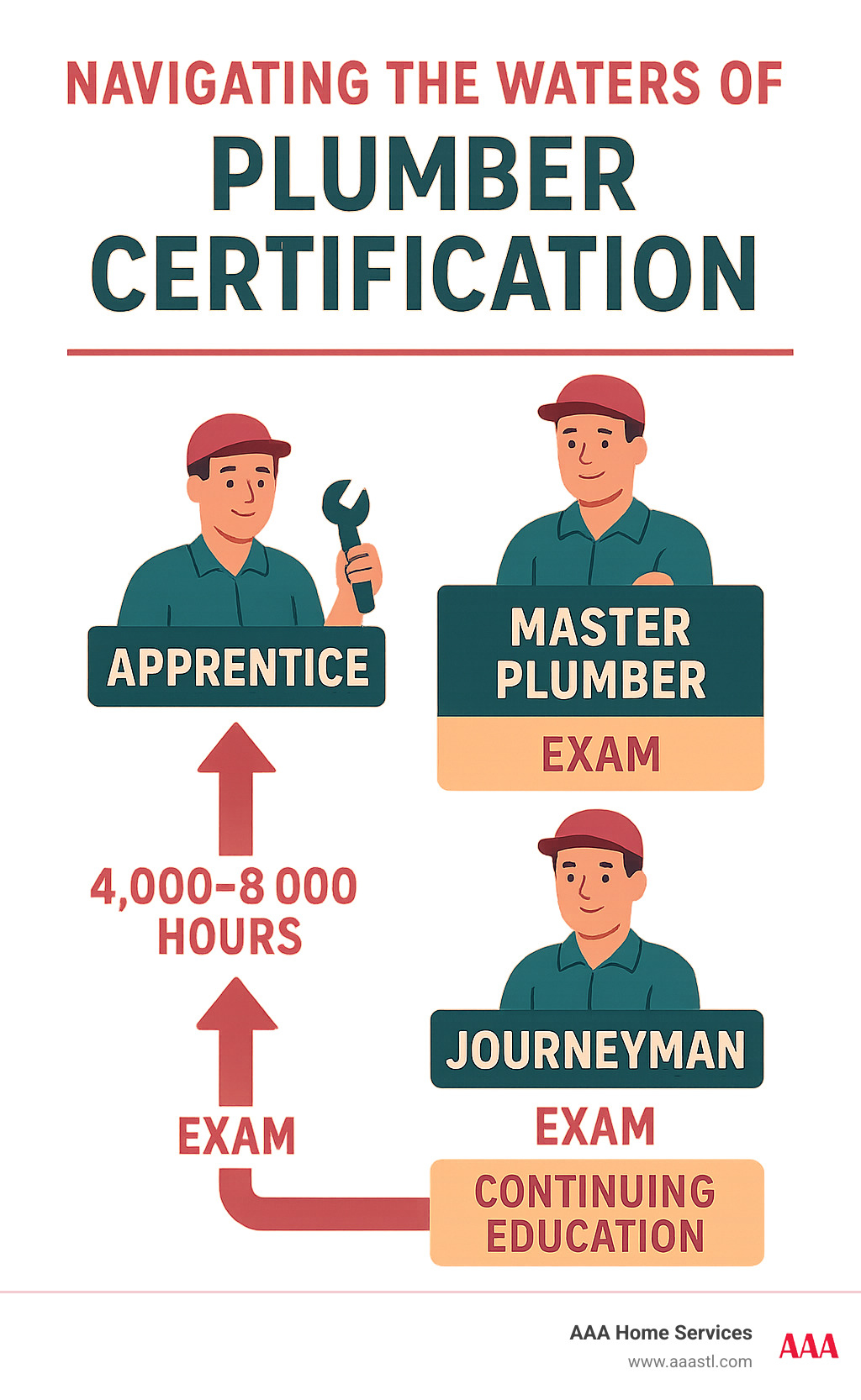
The journey to becoming a fully certified plumber involves several distinct levels, each requiring additional experience, knowledge, and examination:
The path begins as an Apprentice Plumber, the entry-level position where individuals learn the trade under direct supervision of licensed professionals. Apprentices typically register with their state board and begin accumulating required work hours while learning the fundamentals.
After completing approximately 8,000 hours (about 4 years) of supervised work and required classroom training, apprentices can test for Journeyman Plumber status. Journeymen can work independently but may have limitations on the types of projects they can undertake without oversight.
With additional experience (typically 1-2 years as a journeyman) and passing a more comprehensive exam, a plumber can achieve Master Plumber status. These highly qualified professionals have the authority to design systems, pull permits, and supervise other plumbers.
Some states offer specialized endorsements for areas like Medical Gas Piping Installation, Water Supply Protection, and Residential Fire Protection Sprinkler Systems. These credentials require additional training and testing beyond the standard license.
The financial rewards grow with each step up the certification ladder. Statistics show journeyman plumbers typically earn 53% more than apprentices, while master plumbers earn approximately 18% more than journeymen – reflecting the increased responsibility and expertise at each level.
Continuing education remains vital throughout a certified plumber’s career, ensuring they stay current with evolving codes, technologies, and best practices that protect your home.
Step-by-Step: How to Become a Certified Plumber
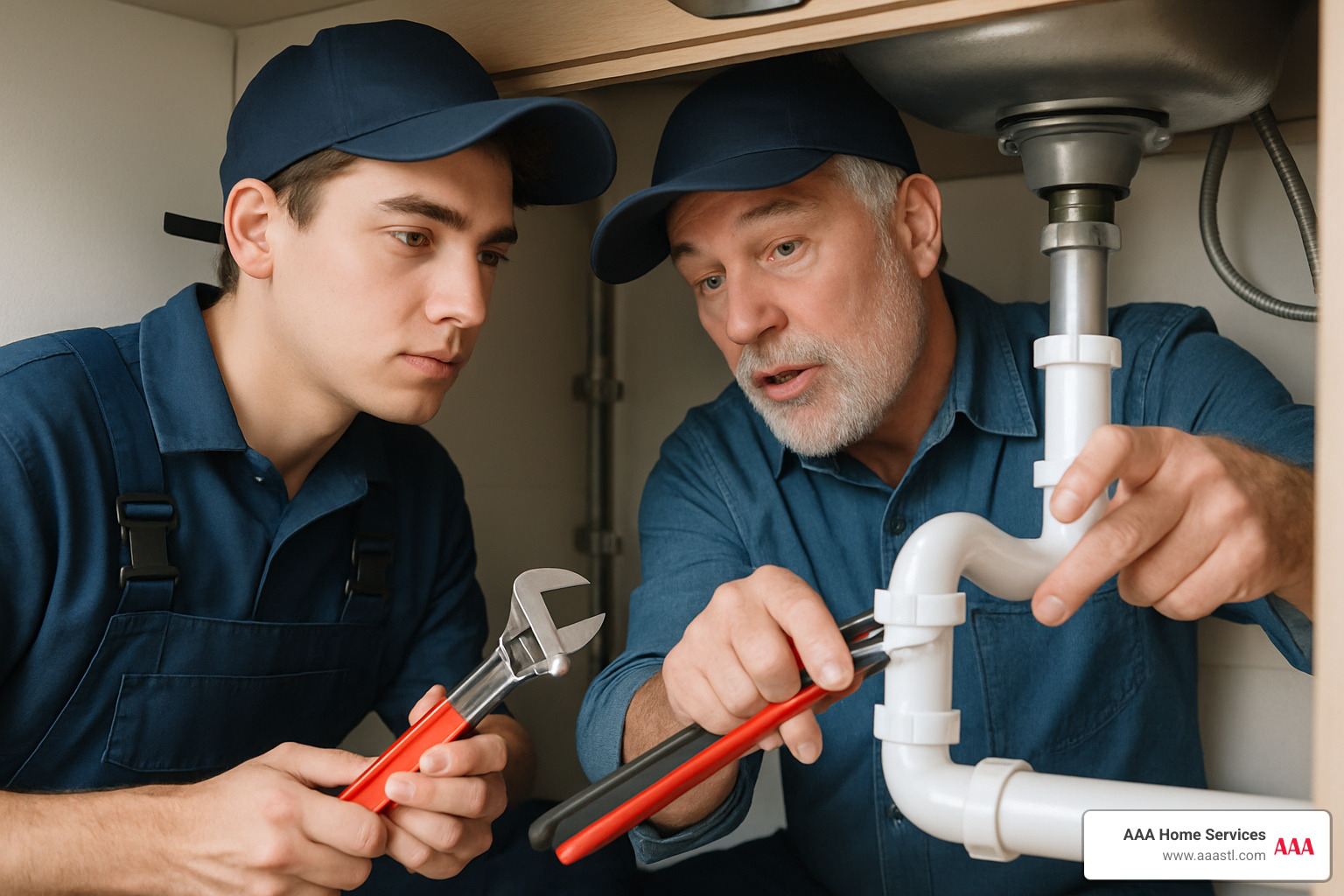
The path to becoming a certified plumber isn’t a sprint—it’s more of a well-structured marathon that rewards dedication and hands-on learning. If you’re curious about what goes into creating the professionals who fix your pipes and install your fixtures, here’s the journey they take:
Most folks start with a high school diploma or GED as their foundation. While college isn’t necessary, many aspiring plumbers choose to attend trade schools or community colleges to build a solid understanding of plumbing principles. The real education, though, happens during the apprenticeship—where theory meets real-world application under the watchful eye of experienced pros.
After completing required training hours (and passing some pretty challenging exams), candidates submit their credentials to state licensing boards. Many states also require fingerprinting and background checks—after all, these professionals will be working in your home around your family.
Education & Apprenticeship Hours
The heart of plumber training is the apprenticeship program—a brilliant “earn while you learn” approach that spans 4-5 years. Unlike traditional college paths that leave graduates with hefty student loans, plumbing apprentices actually get paid while gaining invaluable skills.
During these formative years, apprentices typically complete around 8,000 hours of supervised on-the-job training—that’s roughly four years of full-time work. They’re also hitting the books, with 576-1,000 hours of classroom instruction covering everything from pipe sizing calculations to venting requirements.
“My apprenticeship was challenging but rewarding,” shares Mike, a certified plumber with AAA Home Services. “I was making money while learning skills I use every day to help homeowners in St. Louis solve their plumbing problems.”
What makes this training especially valuable is its comprehensive nature. Apprentices work on a variety of residential plumbing systems, learning proper installation techniques while developing troubleshooting skills that will serve them throughout their careers.
State Exams & Licensing Authorities
When it comes to plumbing licenses, there’s no national standard—each state dances to its own regulatory tune. Most states entrust licensing to dedicated boards or commissions that set standards and oversee examinations.
The licensing exams themselves aren’t for the faint of heart. They typically include rigorous written tests covering plumbing codes and regulations, plus practical skill demonstrations. For example, journeyman exams often feature 90+ multiple-choice questions plus hands-on projects, while master-level tests can include over 200 questions and complex design challenges.
Beyond passing these exams, certified plumbers must also secure proper liability insurance and, in many states, surety bonds that protect homeowners. These requirements ensure that when you hire a licensed professional, you’re getting someone who’s not only skilled but also financially responsible if something goes wrong.
Time & Money Breakdown
Becoming a certified plumber represents a significant investment, though it’s typically more affordable than a traditional four-year degree. The journey to journeyman status usually takes 4-5 years, with master certification requiring another 1-2 years of experience.
On the financial side, costs vary by location but generally include $800-$3,000 for classroom training, $100-$300 for licensing exams, and $75-$200 for initial license fees. Plumbers also gradually build their tool collection, investing $2,000-$5,000 over time in quality equipment.
While these numbers might seem substantial, they pale in comparison to the earning potential of a successful career. According to the Bureau of Labor Statistics, plumbers earn well above the national average, with opportunities for advancement through specialty certifications like those outlined in the C-36 classification requirements.
Maintaining Certification Through Continuing Education
Earning that initial license isn’t the finish line—it’s just the beginning of a career-long commitment to professional growth. Certified plumbers must regularly complete continuing education to keep their credentials active.
Most states require 6-8 hours of continuing professional education annually, covering critical updates to plumbing codes, new technologies, safety procedures, and business practices. These requirements ensure that the plumber working on your home’s systems is always up-to-date with the latest industry standards and safety protocols.
“The plumbing industry is always evolving,” explains Tom, a master plumber with over 20 years of experience at AAA Home Services. “What works best for St. Louis homes today might be different from what we recommended even five years ago. Continuing education helps us deliver the most current solutions to our customers.”
This ongoing training is one of the key differences between a true certified plumber and someone who just claims to know about pipes. It’s this commitment to professional development that ensures homeowners receive service that’s not just effective today, but safe and compliant for years to come.
When Your Home Needs a Certified Plumber
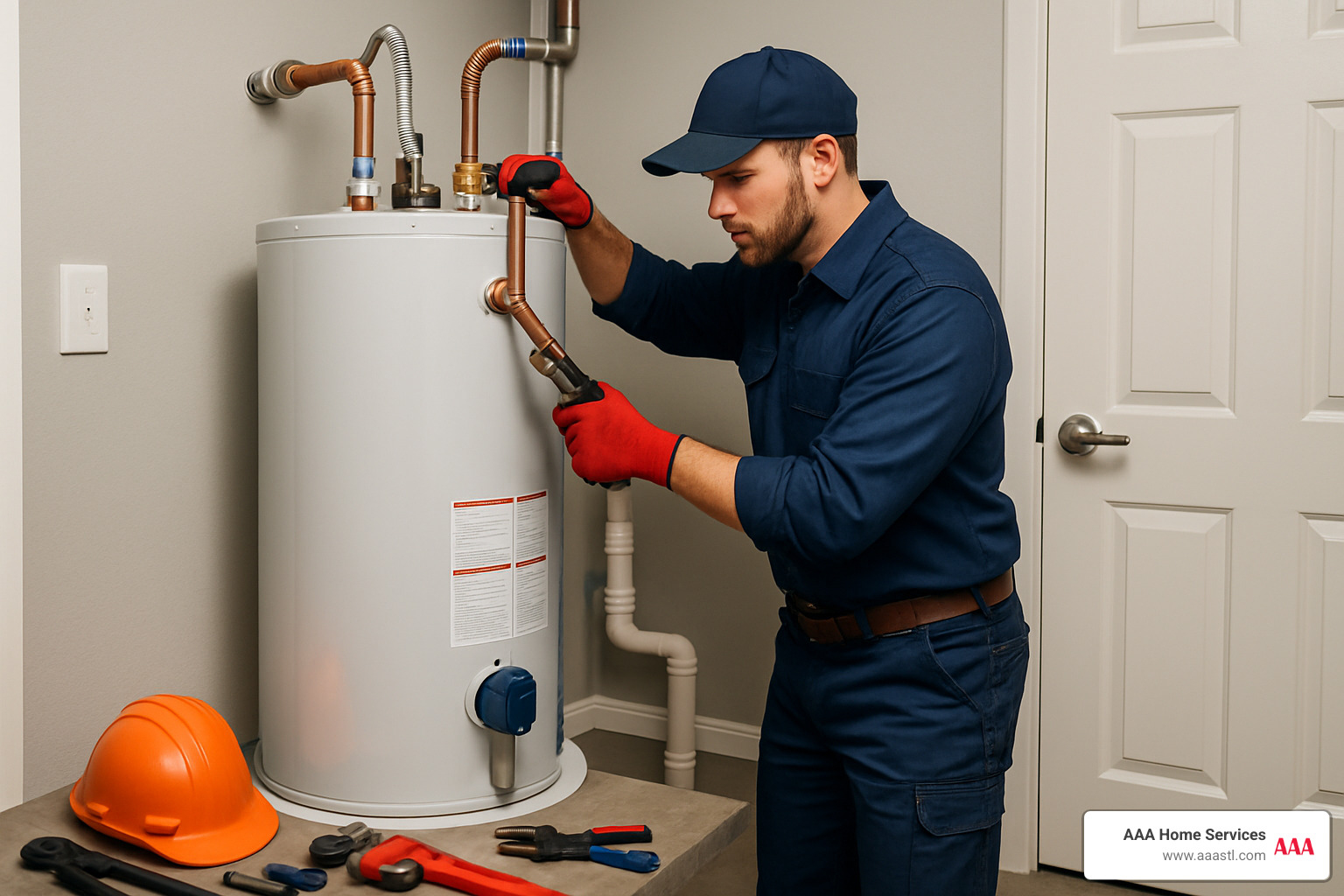
Not every dripping faucet warrants a professional call, but knowing when to bring in a certified plumber can save you from turning a small issue into a major headache (and an expensive one at that).
Your home’s plumbing system is like the circulatory system of your body—complex, vital, and sometimes mysterious. When something goes wrong, you need someone who truly understands how all the pieces work together.
You should definitely call a certified plumber when facing any of these situations: installing new fixtures or plumbing lines, tackling major repairs like broken water lines, handling any work that requires a permit (hello, water heater replacement!), dealing with gas lines (safety first!), addressing sewer line problems, or replacing your home’s main plumbing stack. These jobs require specialized knowledge that goes far beyond what you’ll find in a YouTube tutorial.
Here in St. Louis, our certified plumbers at AAA Home Services have been solving these exact challenges for over 50 years. Whether you’re in St. Charles, O’Fallon, or Chesterfield, we’ve likely fixed a similar issue for your neighbors already.
Tasks You Can Tackle Without a License (Carefully)
Some plumbing tasks are perfectly fine for homeowners to handle. Clearing a clogged drain with a plunger? Go for it. Replacing a worn-out shower head or faucet aerator? That’s usually straightforward. Swapping out toilet parts like flappers or fill valves? With a little patience, most homeowners can manage these tasks.
But here’s where many DIYers get into trouble—what seems simple can quickly reveal hidden complications. That dripping faucet might actually be a symptom of corroded pipes behind your wall. That toilet installation might seem perfect until you find a slow leak causing floor damage weeks later.
I once heard a certified plumber say, “I make half my living fixing DIY projects gone wrong.” That’s not just a clever line—it reflects the reality that proper plumbing requires more knowledge than many people realize. Even something as seemingly simple as replacing a bathtub could lead to code violations if not done correctly.
When in doubt, at least consult with a professional. A quick conversation might save you days of frustration and hundreds of dollars in unexpected repairs.
License vs. Permit: Know the Difference
Many homeowners get confused about plumbing licenses and permits—and understandably so. They’re related but serve different purposes.
A plumber’s license is attached to the person doing the work. It certifies that they’ve completed the necessary training, apprenticeship, and examinations to perform plumbing work safely and correctly. Think of it as the plumber’s professional credentials—their proof of expertise.
A plumbing permit, on the other hand, is specific to your project. It’s issued by your local building department and gives official permission for particular work to be done on your property. The permit process typically includes plan reviews and inspections to ensure everything meets local building codes.
For example, you might not need a permit to replace an existing toilet, but you’ll definitely need one for repiping your house or remodeling your bathroom. These requirements aren’t just bureaucratic hoops—they protect you by ensuring that critical systems in your home meet safety and sanitation standards.
When you work with certified plumbers from AAA Home Services, we handle all the permitting paperwork for you. We know exactly what permits are needed for different jobs in different municipalities throughout the St. Louis area, which saves you time and ensures your project is fully compliant with local codes.
Whether you need a Plumbing Stack Replacement or help with Drain Cleaning, our team makes sure everything is done by the book—because when it comes to your home’s plumbing, doing it right the first time is always the most affordable option in the long run.
Benefits & Risks: Hiring a Certified Plumber vs. DIY or Unlicensed Help
When that pipe starts leaking or your toilet won’t stop running, you face a crucial decision: call a certified plumber, tackle it yourself, or hire someone without proper credentials who might offer a lower price. Let’s explore what’s really at stake with this choice.
Advantages of Hiring a Certified Plumber
Bringing a certified plumber into your home offers peace of mind that simply can’t be matched by DIY attempts or unlicensed workers. These professionals don’t just fix problems—they ensure your home remains safe and your plumbing functions properly for years to come.
Code compliance is perhaps the most important benefit. Your certified plumber knows local building requirements inside and out, preventing those awkward moments during home inspections when non-compliant work gets flagged. This expertise comes from years of training and staying current with changing regulations.
The technical expertise these professionals bring is invaluable. As one satisfied customer shared: “They explained what needed to happen to correct the issue and were quick and friendly.” This knowledge means problems get diagnosed correctly the first time, saving you from the frustration of recurring issues.
Professional plumbers arrive with specialized tools most homeowners don’t keep in their garage. From hydro-jetters for stubborn clogs to specialized pipe cutters, these tools make a significant difference in repair quality and efficiency.
When you choose AAA Home Services, you also receive warranty protection that safeguards your investment. This coverage gives you confidence that if something doesn’t work as expected, you won’t be left high and dry (or perhaps more accurately, not high and very wet!).
Liability insurance is another crucial protection certified plumbers provide. If something goes wrong during repairs—like water damage to your beautiful hardwood floors—you won’t be personally responsible for the costs.
The long-term value of professional work can’t be overstated. As one industry expert noted: “Only a certified professional can ensure the job is done right the first time.” This quality translates to fewer headaches and repair calls down the road.
Perhaps most importantly, certified plumbers provide safety assurance by understanding the complex interplay between water, sewer, and gas systems in your home. This knowledge prevents dangerous situations like contaminated drinking water or gas leaks that could put your family at risk.
Penalties & Hidden Costs of Unlicensed Work
That bargain price from an unlicensed handyman might seem tempting, but the hidden costs can quickly add up to much more than you bargained for.
Legal consequences are a real concern in many states where performing plumbing work without proper licensing is against the law. In California, for instance, unlicensed plumbers cannot legally accept jobs over $500—meaning large projects handled by unlicensed workers put both you and them at legal risk.
Your home insurance policy might contain some unwelcome surprises if you use unlicensed help. Many insurance policies won’t cover damage resulting from unpermitted or improperly installed plumbing work, leaving you financially exposed if something goes wrong.
Planning to sell your home someday? Unpermitted work finded during home inspections can delay or completely derail your property sale. Buyers and their lenders typically require proof that all work was properly permitted and inspected, which can lead to expensive corrections at the worst possible time.
The health and safety risks of improper plumbing work extend beyond simple leaks. Contaminated water, exposure to sewer gases, mold growth, and even structural damage can result from seemingly minor plumbing mistakes.
What starts as a simple repair can quickly become a cascade of compounding problems when handled incorrectly. One industry professional shared: “Instances where non-licensed plumbers used temporary band-aid fixes” often lead to more expensive repairs later. That quick fix can become a very slow and costly ordeal.
The most painful hidden cost? Rework expenses. When DIY or unlicensed work fails, you’ll likely end up calling a certified plumber anyway—only now they’ll need to fix both the original problem and any additional damage caused by improper repairs. This often costs significantly more than hiring a professional from the start.
At AAA Home Services, our certified plumbers bring over 50 years of experience to every job in the St. Louis area. We understand that plumbing problems rarely happen at convenient times, which is why we offer fair, honest pricing and often same-day or next-day service throughout St. Louis, St. Charles, and Warren County. When you choose our team, you’re not just getting a quick fix—you’re investing in your home’s safety, value, and your family’s comfort for years to come.
How to Verify a Certified Plumber in Your State
Hiring a plumber is a bit like choosing a doctor for your home’s vital systems – you want someone qualified, trustworthy, and properly trained. Before inviting anyone to work on your plumbing, taking a few minutes to verify their credentials can save you from potential headaches down the road.
When our customers call AAA Home Services, they often ask how they can be sure they’re getting a genuine certified plumber. It’s actually a simple process that any homeowner can complete:
Start by simply asking for their license number. Any legitimate certified plumber will happily share this information – in fact, our technicians at AAA Home Services carry proper identification and proudly provide proof of certification upon request. This transparency is part of our commitment to building trust with homeowners throughout St. Louis.
Once you have a license number, most states make verification straightforward through their licensing board websites. For Missouri plumbers, you can quickly check credentials through the Division of Professional Registration’s online portal. A few clicks can confirm if your plumber is properly certified and whether their license is current and in good standing.
Don’t forget to verify insurance coverage as well. Certified plumbers should carry liability insurance to protect your property, and if they have a team, workers’ compensation coverage for their employees. Requesting certificates of insurance is completely reasonable – any reputable plumbing company will provide these without hesitation.
For larger plumbing projects, proper permitting serves as another verification checkpoint. When a certified plumber obtains the necessary permits, it’s a good indication they’re following legal requirements and their work will be inspected to ensure code compliance.
Finally, check the plumber’s reputation with both the state licensing board and the Better Business Bureau. At AAA Home Services, we’re proud of our excellent standing, backed by over 8,000 Google reviews from homeowners we’ve served throughout our 50+ years in business.
Quick Online Checks for “Certified Plumber” Credentials
The internet has made credential verification easier than ever before. Most state licensing boards now maintain searchable online databases where you can instantly verify a plumber’s certification status with just their name or license number.
Many municipalities also offer permit lookup systems that allow you to confirm whether a contractor has pulled proper permits for similar projects in your area. This can provide insight into their commitment to following building codes.
Professional association memberships can offer another layer of verification. Organizations like the Plumbing-Heating-Cooling Contractors Association maintain directories of members who have committed to ethical business practices and ongoing professional development.
When you schedule service with AAA Home Services, you can skip these verification steps with confidence. Our hiring process includes thorough background checks, and we ensure all our certified plumbers maintain the proper credentials to work throughout St. Louis, St. Charles, and Warren County.
Red Flags When Credentials Don’t Add Up
While most plumbers are honest professionals, being aware of warning signs can help you avoid potential problems:
Be wary if someone seems reluctant to provide license information or gives excuses about why they can’t share it. Certified plumbers are proud of their credentials and happy to verify them.
Watch out for plumbers who insist on cash-only payments or seem unwilling to provide written estimates. At AAA Home Services, our certified plumbers always provide detailed written estimates before beginning any work, ensuring you know exactly what to expect.
A professional who tries to discourage proper permits might be cutting corners. Our team handles all necessary permitting for your project, ensuring everything is done by the book.
Be suspicious of unusually low estimates that seem too good to be true – they often are. Quality plumbing work requires proper materials and adequate time, and extremely low bids may indicate corners will be cut.
Professional appearance matters too. Our certified plumbers arrive in clearly marked AAA Home Services vehicles and wear company uniforms, making them easily identifiable as the professionals you called.
High-pressure sales tactics are another red flag. Legitimate certified plumbers will give you time to make informed decisions about your home’s plumbing needs rather than pushing for immediate commitment.
When you choose AAA Home Services for your plumbing needs, you’re selecting a team of properly certified plumbers with the skills, credentials, and integrity to handle your home’s plumbing correctly the first time – giving you peace of mind along with professional results.
Frequently Asked Questions About Certified Plumbers
Do certified plumbers really earn more than non-certified workers?
Absolutely! Your investment in hiring a certified plumber reflects their investment in their career. Industry data shows licensed journeymen earn about 53% more than apprentices, while master plumbers enjoy roughly 18% higher wages than journeymen.
The national average salary for plumbers sits at $54,605, but this figure climbs substantially as plumbers gain experience and advance their license level. This isn’t just about paying more for a fancy title—certified plumbers bring additional responsibility, deeper knowledge, and legal authority that uncertified workers simply don’t have.
Think of it like the difference between hiring a medical assistant versus a doctor. Both work in healthcare, but their training, expertise, and authorization to perform certain procedures are worlds apart.
How long does it take to upgrade from journeyman to master?
The journey from journeyman to master plumber varies by state, but it’s never an overnight process. Most states require:
1-2 years of documented work experience as a journeyman, completion of additional specialized training hours, and passing a comprehensive (and often quite challenging) master plumber examination.
In Texas, for example, journeymen need one year of experience before they can even apply for master status. The master exam digs deeper than hands-on skills, covering system design, business knowledge, and supervisory responsibilities.
Many of the professionals at AAA Home Services have climbed this entire career ladder to achieve master plumber status, bringing the highest level of expertise to your St. Louis home’s plumbing needs. When you call us, you’re not getting someone who just learned which end of the wrench to hold!
Can I hire an apprentice instead of a certified plumber for minor repairs?
While apprentice plumbers are working their way toward becoming fully certified plumbers, there are important limitations you should know about before making this choice:
Apprentices must work under direct supervision of a licensed professional—they can’t legally perform many types of plumbing work independently. They’re still learning, which means they may take longer to diagnose issues or might miss underlying problems that a more experienced eye would catch.
Some states have created intermediate licenses (like the “Tradesman Plumber-Limited” in Texas) after completing around 4,000 hours of experience, but even these limited licenses restrict what work they can legally perform.
For homeowners, the wisest approach is hiring a fully certified plumber, even for seemingly minor repairs. What looks like a simple fix can quickly reveal deeper issues that require professional expertise. At AAA Home Services, we ensure all work in your St. Louis home is performed by properly qualified professionals according to their certification level, giving you confidence that your plumbing work meets all legal and safety standards.
When that dripping faucet turns into a corroded pipe issue or that slow drain reveals a major clog deep in your sewer line, you’ll be glad you called a certified plumber from the start!
Conclusion
Your home’s plumbing system is far more than just pipes and fixtures—it’s the vital network that delivers clean water to your family and safely removes waste. When it comes to maintaining this essential system, there’s simply no substitute for the expertise and peace of mind that comes with hiring a certified plumber.
Throughout this guide, we’ve walked through the impressive journey plumbers take to earn their certification—from thousands of apprenticeship hours to rigorous examinations and ongoing education requirements. This significant investment of time and dedication directly translates to superior workmanship and safety standards in your home.
While you might feel comfortable handling minor tasks like changing a showerhead or plunging a toilet, most plumbing projects truly benefit from professional attention. The potential consequences of improper installation or repairs can be severe: water damage to your home’s structure, building code violations, serious safety hazards, and even the possibility of voided insurance coverage. These risks far outweigh any temporary savings you might gain from DIY attempts or hiring someone without proper credentials.
Here at AAA Home Services, we’ve proudly served families throughout St. Louis, St. Charles, and Warren County for more than five decades. Our team of certified plumbers brings not just technical expertise, but also genuine care and professionalism to every home we visit. We’re particularly proud that our commitment to fair, honest pricing and our ability to often provide same-day or next-day service has earned us over 8,000 positive Google reviews from homeowners across Chesterfield, Ballwin, Kirkwood, Clayton, and surrounding communities.
Whether you’re dealing with a stubborn clog, planning a bathroom renovation, or facing an unexpected leak, you can trust that our certified plumbers have the skills, tools, and knowledge to address your problem efficiently and correctly the first time. We understand that inviting someone into your home requires trust, and our certification is just one way we demonstrate our commitment to earning that trust.
For more information about our comprehensive residential plumbing services, visit our plumbing services page or reach out to our friendly team today. Let AAA Home Services be your trusted partner for all your home’s plumbing needs—because when it comes to the systems that keep your family comfortable and your home functioning properly, professional certification truly matters.


