



When Your Furnace Pilot Light Fails, Every Minute Counts
Furnace pilot light repair is a common heating issue, especially in older gas furnaces. When you wake up to a cold house on a winter morning in St. Charles County, a failed pilot light is often the culprit. This small, standing flame is essential for igniting your furnace’s main burners, and when it goes out, your heating system stops working.
Key Facts About Pilot Light Issues:
- Pilot Light Status: A pilot light that is out is a common reason for a furnace to stop working.
- Gas Odor Warning: If you smell a rotten egg odor, leave your home immediately and call your gas company or 911 from a safe distance.
- Common Causes: A dirty thermocouple, clogged pilot orifice, or drafts can extinguish the flame.
- Safety First: Never attempt furnace repairs yourself. If you’re unsure about an issue, call a trained HVAC technician.
- Modern Furnaces: Newer systems use electronic ignition and don’t have a standing pilot light.
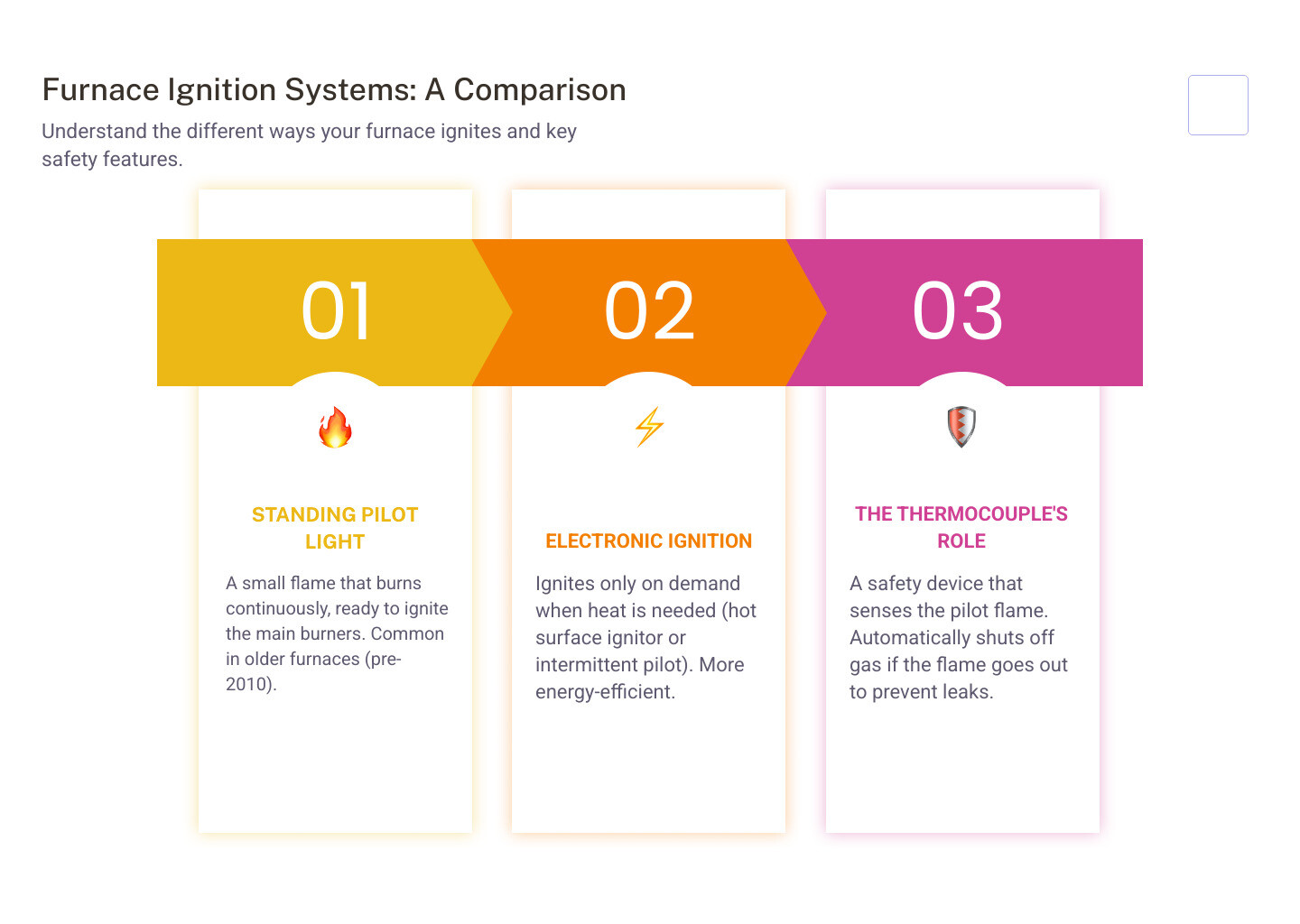
The thermocouple is a key safety device. This copper rod sits in the pilot flame, and if the flame goes out, it automatically shuts off the gas supply to prevent dangerous leaks. Issues with this component are a frequent cause of pilot light failure.
Call AAA Home Services if:
- The pilot light won’t stay lit.
- The flame is yellow or weak, not a strong blue.
- You smell gas or other unusual odors.
I’m Dan Walsh, and for years I’ve led the AAA Home Services team across the Greater St. Louis area. We help homeowners solve Furnace pilot light repair issues with safe, reliable solutions. This guide will help you recognize the signs of pilot light failure and understand when it’s time to call our professional team.
Your Guide to Furnace Pilot Light Repair
What is a Pilot Light and How Does it Work?
When your gas furnace is working correctly, you probably don’t give much thought to the small, steady flame nestled within its components. This is your furnace’s pilot light, and it plays a vital role in keeping your home warm. Essentially, a pilot light is a small, continuously burning gas flame that acts as the ignition source for your furnace’s main burners. When your thermostat calls for heat, the main gas valve opens, and the pilot light ignites the gas, allowing your furnace to produce warmth.
Pilot lights are typically found in older gas furnaces. A crucial component of this system is the thermocouple, which acts as a safety guard. This small copper rod is positioned in the pilot flame. When heated, it generates a tiny electrical current that keeps the gas valve open. If the pilot light goes out, the thermocouple cools, the current stops, and the gas supply is shut off. This critical safety feature prevents unignited gas from accumulating in your home.
Standing pilot lights are becoming less common in our service areas of St. Louis County, St. Charles County, Warren County, and Lincoln County. However, for homeowners with these seasoned systems, understanding the pilot light is key. For more information on how this essential component works, you can dive deeper into what a pilot light is.
We are always here to help our customers understand their heating systems. As one satisfied homeowner shared, “Sam was Professional and answered all my Questions. He replaced my Thermostat and got my Furnace working again. And he seemed very knowledgeable about what he was doing. I was very Satisfied with Sam. AAA Heating & Cooling Customer.” We pride ourselves on having knowledgeable technicians like Sam who can diagnose and explain your furnace issues clearly.
Common Reasons Your Pilot Light Goes Out
It’s frustrating when your furnace stops producing heat, and often, the culprit is a pilot light that has unexpectedly gone out. Understanding the common reasons behind this issue can help us determine the best course of action for Furnace pilot light repair.
Here are some of the most frequent reasons we encounter:
- Dirty Pilot Orifice: Over time, dust and carbon can clog the small opening that supplies gas to the pilot. This can result in a weak, flickering, or yellow flame that struggles to stay lit.
- Faulty or Dirty Thermocouple: If this safety device is dirty, corroded, or bent, it may not sense the pilot flame’s heat. This will cause it to shut off the gas valve, extinguishing the pilot light.
- Strong Drafts: A strong gust of air can simply blow out your pilot light. This can happen if the furnace access panel isn’t secure or if there are drafts in the surrounding area.
- Gas Supply Issues: If the gas pressure to your furnace is too low, the pilot light may not receive enough fuel to stay lit. This could be due to a problem with the furnace’s gas valve or the main gas supply to your property.
The Color of the Flame Matters: A healthy pilot light flame should be a strong, steady blue. A yellow or orange flame indicates incomplete combustion, which is inefficient and could produce dangerous carbon monoxide. If you see a discolored flame, it’s best to contact us for a professional inspection. Addressing these common issues is a key part of keeping your heating system running smoothly. For more insights, check out our guide on 7 Common Furnace Repairs to Keep You Warm This Winter.
Signs of a Pilot Light Problem and Critical Safety Warnings
Safety must always be the top priority when dealing with gas appliances. Certain signs indicate a problem with your furnace’s pilot light that requires professional attention.
Critical Safety Warning: If You Smell Gas
If you detect the distinct odor of rotten eggs – a strong indicator of a natural gas leak – this is a critical safety concern.
- Do not attempt to inspect your furnace, relight the pilot, or operate any electronics.
- Immediately evacuate everyone from your home.
- Once you are a safe distance away, call your gas company or 911.
Other Signs of a Malfunctioning Pilot Light:
Even if you don’t smell gas, other signs point to an issue that needs an expert diagnosis:
- No Heat: The most obvious sign is a furnace that is not producing heat.
- An Unlit Pilot: A pilot light that has gone out will prevent your furnace from igniting.
- An Unhealthy Flame: A healthy pilot flame is a steady, robust blue. If the flame is weak, flickering, or yellow/orange, it indicates a problem like incomplete combustion, which requires professional service.
If you notice any of these signs, it’s a clear signal to call a professional. Attempting to relight a pilot that repeatedly goes out can be dangerous and points to an underlying issue that our expert technicians can safely diagnose and repair.
Carbon Monoxide Safety:
A malfunctioning pilot light can produce carbon monoxide (CO), an odorless and highly toxic gas. Ensure you have working carbon monoxide detectors in your home, especially near sleeping areas. The CDC recommends checking their batteries twice a year. If your CO detector ever goes off, leave your home immediately and call 911. Knowing when to call a professional is crucial for your safety. For more guidance, read When Should You Call a HVAC Professional for Furnace Repair.
Standing Pilot vs. Modern Electronic Ignition
The world of furnace ignition systems has evolved. Understanding the difference between older standing pilot lights and modern electronic ignition systems is key to comprehending your furnace’s operation and potential Furnace pilot light repair needs.
| Feature | Standing Pilot Light | Modern Electronic Ignition System |
|---|---|---|
| Energy Use | Continuously burns gas; less efficient. | Ignites only when heat is called for; highly efficient. |
| Age of Furnace | Typically found in older furnaces (pre-2010). | Common in newer furnaces (post-2010). |
| Reliability | Susceptible to drafts; can be blown out. | Less prone to outages; more reliable ignition. |
| Components | Pilot flame, thermocouple, gas valve. | Hot surface ignitor (HSI) or intermittent pilot, flame sensor, control board. |
Standing Pilot Systems:
These systems feature a small flame that burns 24/7. While reliable in their prime, they are inherently less energy-efficient, contributing to higher utility bills by constantly consuming a small amount of gas.
Modern Electronic Ignition Systems:
Newer furnaces use electronic ignition, which is significantly more efficient. These systems only create a flame when the thermostat calls for heat. The two main types are Hot Surface Ignitors (HSI), which use a ceramic element that glows red hot, and Intermittent Pilots, which use an electric spark to light a small flame just before the main burners engage.
The shift to electronic ignition is driven by efficiency and safety. Modern ENERGY STAR models offer superior performance. At AAA Home Services, we proudly install high-efficiency American Standard HVAC systems, which feature these advanced technologies. If you have an older furnace with a standing pilot and are experiencing frequent issues, considering a New Furnace Installation might be a smart choice.
When to Call a Professional for Furnace Pilot Light Repair
While it’s good to be informed, certain signs mean it’s time to call the experts at AAA Home Services for Furnace pilot light repair. Your safety and the proper functioning of your heating system are our top priorities.
Here are key situations when you should contact us:
- Pilot Light Won’t Stay Lit: If the pilot light goes out repeatedly, it indicates a deeper problem, such as a faulty thermocouple or gas valve that needs professional service.
- Weak or Yellow Flame: A weak or discolored flame signifies incomplete combustion and a potential carbon monoxide risk. Our technicians can diagnose and fix the cause.
- You Smell Gas: This is a critical safety issue. Evacuate immediately and call your gas company or 911. Do not attempt any repairs yourself.
- Furnace is Older and Unreliable: If your furnace is over 15 years old and has recurring pilot light problems, it may be a sign that the system is nearing the end of its life.
- Suspected Faulty Parts: Issues with the gas valve or a cracked heat exchanger are serious safety hazards that must be handled by a licensed professional.
Our team is equipped to handle all types of furnace repair issues. We’re proud of the trust our customers place in us. “We have had great experiences with AAA service people over many years. It’s so nice to know who to call when I have a problem. Thanks for the good work!! AAA Heating & Cooling Customer.” We strive to be that reliable call for all your heating needs.
The Importance of Maintenance for Furnace Pilot Light Repair Prevention
Preventing problems is always better than reacting to them. Regular maintenance is the cornerstone of a reliable, efficient, and safe heating system, significantly reducing the likelihood of needing Furnace pilot light repair.
Annual tune-ups by a qualified HVAC professional are essential. During these visits, our technicians perform a comprehensive check, including:
- Professional Cleaning: We carefully clean components like the pilot orifice and thermocouple to ensure proper gas flow and prevent common failures.
- Safety Checks: We inspect for potential gas leaks, verify proper ventilation, and test safety controls to prevent dangerous situations.
- Component Inspection: We examine all critical parts to identify wear and tear before it leads to a breakdown.
- Efficiency Optimization: A well-maintained furnace runs more efficiently, which can help lower your energy bills.
We recommend scheduling heating system maintenance annually before the heating season begins. Learn more on our Heating System Maintenance page.
As a homeowner, you can help by:
- Changing Air Filters Regularly: A dirty filter restricts airflow, forcing your furnace to work harder. Check your filter monthly and replace it as needed.
- Keeping the Area Clear: Ensure the area around your furnace is free of clutter and flammable materials to promote proper airflow.
By prioritizing professional maintenance, you’re investing in your home’s comfort, safety, and energy efficiency. Read more about how Furnace Maintenance Means Better Heating and Lower Bills.
Your Trusted Partner for Heating Services in St. Louis
When it comes to keeping your home warm and safe in St. Louis County, St. Charles County, Warren County, or Lincoln County, you need a partner you can trust. At AAA Home Services, we’ve been serving our community with fair, honest pricing and highly-rated, award-winning service for over 50 years. Our team of expert technicians is dedicated to providing the best heating solutions, from routine maintenance to complex Furnace pilot light repair.
We understand that a malfunctioning furnace can disrupt your comfort and peace of mind. That’s why we strive to offer Same Day/Next Day service when available, ensuring that your heating issues are addressed promptly and professionally. Whether you’re dealing with a persistent pilot light problem, considering an upgrade to an American Standard high-efficiency furnace, or simply need a thorough seasonal tune-up, our skilled professionals are here to help.
Our commitment to customer satisfaction is reflected in our over 8,000 Google reviews. We value every piece of feedback, like this one from a loyal customer: “I’ve used AAA Heating & Cooling for several years and have always been pleased with their service. Austin was out last week for annual HVAC maintenance and he was very friendly and professional. Terri K.” Our technicians, like Austin, are trained to provide not just expert repairs, but also friendly and informative service.
Don’t let a faulty pilot light leave you in the cold. If you suspect an issue with your furnace’s pilot light or any other heating component, don’t hesitate to reach out to us. We’re your local experts, ready to ensure your home remains warm and comfortable throughout the year.


