



The Hidden Threat Lurking Behind Your Walls
Leaky pipes can silently waste over 10,000 gallons of water per year in the average home – that’s enough water for 270 loads of laundry going straight down the drain. When you find a leak, every minute counts to prevent costly water damage to your floors, walls, and belongings.
Quick Action Steps for Leaky Pipes:
- Shut off water at the main valve or nearest shut-off
- Apply temporary patch using repair clamps, epoxy putty, or self-fusing tape
- Call a professional plumber for permanent repair within 24-48 hours
- Document damage for insurance if water has spread beyond the leak area
The frightening reality is that 10% of American homes lose 90 gallons of water daily due to hidden leaks. A single dripping faucet wastes over 3,000 gallons annually, while that “minor” pinhole leak in your basement could be costing you hundreds on your water bill.
Temporary patches buy you time, but they’re not permanent solutions. Professional repair prevents the leak from returning and causing extensive structural damage, mold growth, or electrical hazards.
I’m Dan Walsh, and through years of managing home repair services and working with skilled technicians, I’ve seen how quickly leaky pipes can escalate from minor drips to major disasters. My experience has taught me that knowing basic patching techniques can help homeowners minimize water damage while they wait for professional help.
Leaky pipes vocabulary:
Understanding Leaky Pipes 101
When we talk about leaky pipes, we’re dealing with any damaged section of your home’s plumbing where water escapes from where it should be flowing. Think of it like a garden hose with a hole – water finds a way out, whether it’s through a tiny pinhole in your copper pipes or a cracked joint in your PVC plumbing.
Your home’s plumbing is like a complex network of different materials, each with its own personality and weaknesses. Copper pipes are the reliable workhorses that can last decades, but they’re not invincible – they can develop those sneaky pinhole leaks when corrosion finally wins the battle. PVC and CPVC pipes are more flexible but don’t handle temperature swings well, often cracking when your house settles or when winter brings those brutal temperature changes we know so well here in Missouri.
If you live in an older home with galvanized steel pipes, you’re dealing with plumbing that’s basically on borrowed time. These pipes rust from the inside out, and once that corrosion really gets going, leaky pipes become almost inevitable.
Here’s something many homeowners don’t realize: high water pressure above 60 psi is actually destroying your plumbing system bit by bit. It’s like having someone constantly hammering on your pipe joints and seals. Over the years, this relentless pressure turns minor wear into major failures.
Corrosion is the silent destroyer working behind your walls right now. Those degraded seals around pipe connections – the rubber gaskets and O-rings that keep everything watertight – naturally break down over time, especially when they’re constantly exposed to temperature changes or harsh chemical drain cleaners.
Even Mother Nature conspires against your plumbing. Foundation shifts from our Missouri clay soil, seasonal ground movement, or severe weather can stress pipe connections beyond their limits. A shift that’s barely noticeable to you can crack a rigid joint or separate a threaded connection completely.
Key Signs You Have a Leaky Pipe
Your home will tell you when leaky pipes are causing trouble – you just need to know what to listen for. Those brown or copper-colored stains appearing on your walls or ceilings aren’t just cosmetic issues. They’re your home’s way of waving a red flag, and these irregular patches will keep growing larger until you address the source.
If you notice any sagging ceilings, especially ones that feel soft when you touch them, shut off your water immediately and call a professional. This isn’t a wait-and-see situation – ceilings can collapse without warning when they’re saturated with water from leaky pipes.
Musty odors that seem to come from nowhere are often your nose detecting mold growth from persistent moisture. Basements, crawl spaces, and areas near plumbing fixtures are common spots where these smells develop.
Here’s a simple test every homeowner should know: the water meter test. Turn off every water-using appliance and fixture in your home, then check your water meter and write down the reading. Wait two hours without using any water at all. If that meter reading has changed even slightly, you’ve got leaky pipes somewhere in your system.
Common Causes Behind Leaky Pipes
Corrosion tops the list of reasons why residential plumbing fails. If your pipes are over 30 years old, they’re entering the danger zone where leaks become increasingly likely. Galvanized steel pipes are particularly vulnerable because they literally rust away from the inside, while even durable copper pipes can develop pinhole leaks when they’re exposed to acidic water conditions year after year.
That loud banging noise when you quickly shut off a faucet? That’s called water hammer, and it’s like sending shock waves through your entire plumbing system every single time it happens. These repeated impacts gradually weaken joints and connections, setting the stage for future leaky pipes.
Seal failure is incredibly common, especially in homes where water pressure fluctuates or temperatures swing dramatically. Those rubber gaskets and O-rings at pipe connections aren’t designed to last forever, and chemical drain cleaners can actually speed up their deterioration by breaking down the rubber compounds.
Safe Temporary Patching Methods for Leaky Pipes
When you find leaky pipes in your home, time is your enemy. Every second counts as water continues damaging your floors, walls, and belongings. The good news? You can stop the immediate crisis with the right temporary patching methods while you wait for professional help to arrive.
Think of these fixes as tourniquets for your plumbing – they’ll stop the bleeding, but they’re absolutely not permanent solutions. Pipe repair clamps are your strongest ally for medium-sized leaks. These metal clamps wrap around the damaged pipe with a rubber gasket that creates a watertight seal when tightened properly.
Epoxy putty works wonders for those sneaky pinhole leaks that spray water everywhere. This two-part compound hardens into a rock-solid, waterproof seal. The secret is in the preparation – you absolutely must clean and dry the pipe surface first. Even tiny amounts of moisture or debris will sabotage your repair.
Self-fusing silicone tape is excellent for oddly-shaped repairs. Unlike regular tape that just sticks to surfaces, this remarkable material actually bonds to itself through a chemical reaction. When stretched and wrapped properly, it creates a seamless waterproof layer.
Before you touch any repair materials, your first move is always the same: shut off the water supply. Find the nearest shut-off valve or head straight to your main water line. Then open faucets downstream from the leak to drain the affected section.
Surface preparation separates successful repairs from spectacular failures. Grab a wire brush or sandpaper and scrub that pipe clean. Remove every bit of rust, scale, and debris you can see. Then dry the area completely with towels.
Safety first – always wear personal protective equipment when dealing with leaky pipes. Safety glasses protect your eyes from spraying water and flying debris, while rubber gloves prevent cuts from sharp pipe edges.
Here’s the reality check: even the most perfectly applied patch should be replaced with professional repair within 24-48 hours. These temporary fixes are buying you time, not solving your problem permanently.
| Repair Method | Best For | Durability | Pressure Rating |
|---|---|---|---|
| Self-Fusing Tape | Small leaks, odd shapes | 24-48 hours | Up to 40 psi |
| Epoxy Putty | Pinhole leaks, cracks | 48-72 hours | Up to 60 psi |
| Repair Clamps | Medium leaks, straight pipes | 1-2 weeks | Full household pressure |
How to Use Tape, Putty, and Clamps on Leaky Pipes
Self-fusing silicone tape requires a specific technique. Start wrapping several inches away from the actual leak. As you wrap, stretch the tape to about half its original width. Overlap each wrap by half the tape width, creating multiple layers of protection. Continue wrapping several inches past the leak before cutting the tape.
Epoxy putty demands speed and precision. Once you mix those two parts together, you’re racing against time. Knead the compound thoroughly until you see a uniform color with absolutely no streaks. Most epoxy putties give you only 3-5 minutes of working time before they start hardening.
Press the putty firmly into and around the leak, smoothing the edges to eliminate any gaps. Then step back and let chemistry do its work.
Pipe repair clamps look simple but have their own tricks. Position the clamp so the rubber gasket completely covers the damaged area with some overlap on all sides. Tighten the bolts in a cross pattern – opposite corners first, then the remaining bolts.
After completing any repair, test carefully by slowly restoring water pressure. Watch the repair area closely for any signs of moisture.
For comprehensive information about permanent solutions, check out our Leaky Pipe Repair services.
When to Stop and Call the Plumber
Some battles with leaky pipes can’t be won with temporary patches. If water continues spraying forcefully despite your best repair attempts, stop immediately. You’re not helping the situation, and you might be making it worse.
Multiple leaks in the same area signal that the entire pipe section is failing. This is especially common in older homes where decades of corrosion have weakened entire pipe runs.
Damaged fittings – those threaded connections and soldered joints – require professional tools and expertise. These components handle the structural loads in your plumbing system.
At AAA Home Services, our experienced plumbing technicians understand the urgency of leaky pipes and can often provide same-day or next-day service throughout St. Charles, O’Fallon, and the Greater St. Louis area.
Damage Control & Cleanup After a Leak
Once you’ve successfully stopped the water flow from your leaky pipes, the clock is still ticking. Water damage doesn’t pause while you catch your breath – it keeps spreading and soaking deeper into your floors, walls, and belongings with every passing minute.
The first battle is against standing water itself. If you have a wet/dry vacuum, now’s the time to put it to work removing water from hard surfaces like tile, hardwood, or concrete. For smaller amounts of water, towels and mops become your best friends. Always work from the outside edges of the water damage toward the center to prevent spreading contaminated water into clean areas.
When dealing with carpets or upholstery, resist the urge to wipe or scrub. Instead, blot firmly with clean, absorbent towels. Wiping actually pushes water deeper into the fibers, making cleanup harder and increasing the chances of permanent damage.

Your next priority is getting the air moving and moisture levels down. Dehumidifiers are absolute lifesavers in this situation – they pull moisture right out of the air and materials, preventing the damp conditions that mold absolutely loves. If you don’t have a dehumidifier handy, set up fans to keep air circulating throughout the affected areas.
For proper cleaning and disinfection, mix up a bleach solution using 1 ounce of bleach per 4 gallons of hot water. This EPA-recommended ratio kills bacteria and mold spores effectively without being too harsh on most surfaces.
Kitchen and bathroom cabinets need special attention after leaky pipes cause water damage. Particle board and pressed wood materials are like sponges when it comes to water. Pull everything out of affected cabinets and wipe down all surfaces thoroughly with clean, dry towels. Leave those cabinet doors and drawers wide open to let air circulate freely.
The race against mold starts immediately. You have a 24 to 48-hour window to get everything completely dry before mold spores start setting up shop in your home.
While you’re dealing with water cleanup, it’s worth thinking about what might have contributed to your plumbing problems in the first place. Our guide on Spotting & Preventing Drainage Clogs can help you identify potential problem areas before they turn into bigger headaches.
Preventing Future Leaky Pipes
The old saying “an ounce of prevention is worth a pound of cure” couldn’t be more true when it comes to leaky pipes. I’ve seen too many homeowners face thousands of dollars in water damage that could have been prevented with simple maintenance and smart upgrades.
Annual plumbing inspections by qualified technicians are your first line of defense against surprise leaks. These professionals can spot the early warning signs – slight corrosion, loose fittings, or degraded seals – that you might miss during your daily routine.
Water pressure regulation might be the most overlooked aspect of leak prevention. Your residential plumbing system works best at 40-60 psi – anything higher puts unnecessary stress on every pipe, joint, and appliance in your home. Installing a pressure regulator at your main water line protects your entire plumbing system from this silent destroyer.
Pipe insulation does double duty in preventing leaky pipes. During our Missouri winters, insulation prevents the freeze-thaw cycles that can crack pipes and cause catastrophic failures. Year-round, it reduces the temperature fluctuations that make pipes expand and contract, gradually loosening joints and connections.
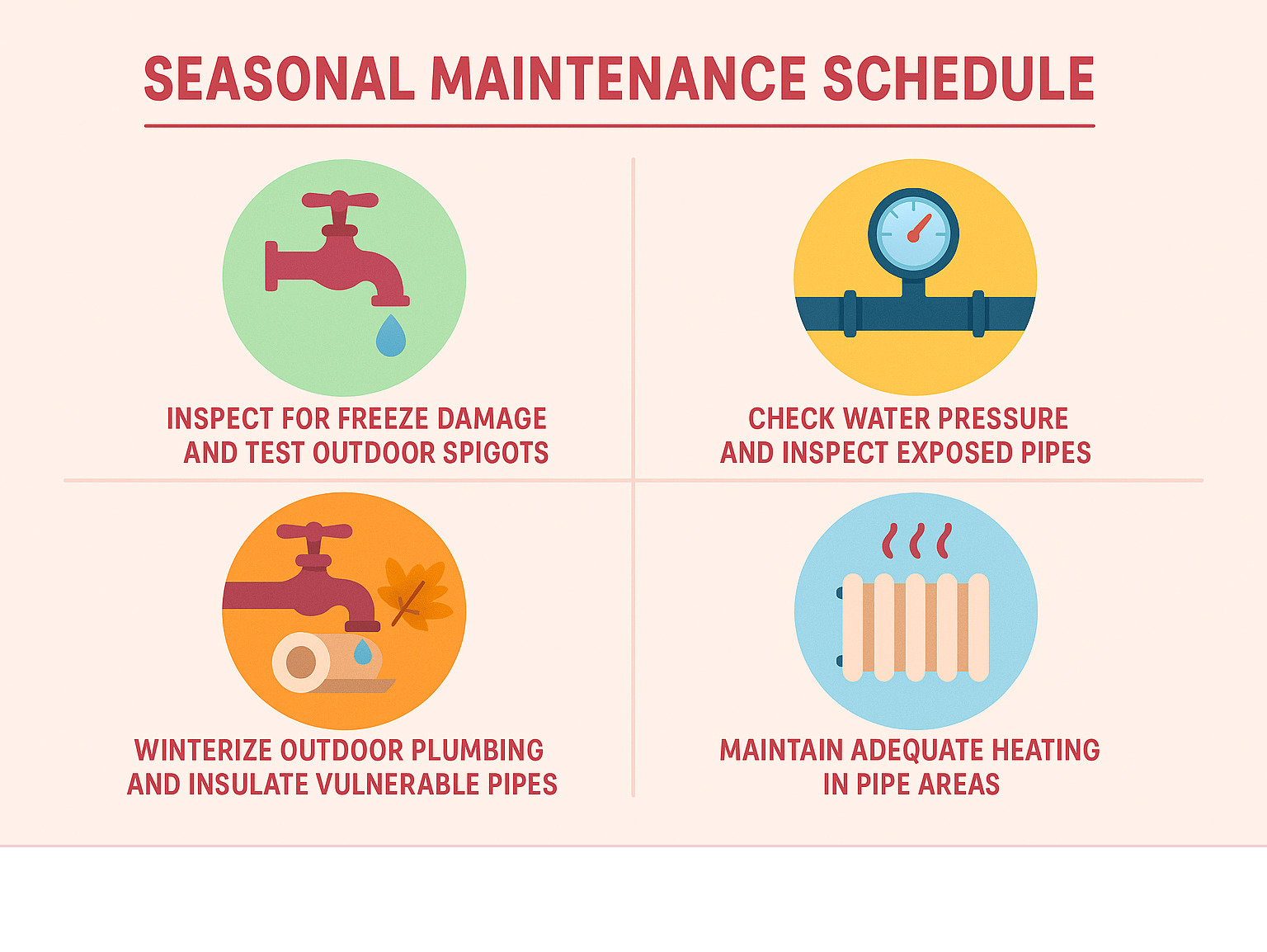
Winter preparation becomes critical in the St. Charles and Greater St. Louis area where freezing temperatures can turn a minor vulnerability into a major disaster. This means draining outdoor hose bibs, insulating exposed pipes in crawl spaces and basements, and ensuring adequate heating in areas containing plumbing.
Here’s something that might surprise you: chemical drain cleaners can actually cause leaky pipes. Those harsh chemicals don’t just dissolve clogs – they also corrode pipe materials and eat away at rubber seals, creating weak points that eventually fail.
Smart leak sensors represent the cutting edge of leak prevention technology. These small, wireless devices act like smoke detectors for water damage, monitoring for moisture and sending alerts to your smartphone. Some advanced systems can even automatically shut off your water supply when leaks are detected.
The future of leak detection is even more exciting. Recent advances in acoustic AI detection technology can identify the unique sound signatures of leaks and pinpoint their locations with remarkable accuracy, as demonstrated in scientific research on AI leak detection.
For comprehensive information about household leak prevention and detection, the EPA’s WaterSense program provides valuable resources and statistics about water conservation efforts.
Smart Tech & Leak Alerts
Modern leak detection technology has transformed how homeowners can protect their properties from water damage. Acoustic sensors can detect the high-frequency sounds produced by water escaping from pressurized pipes – sounds often beyond human hearing range but easily detected by sensitive electronic equipment.
Wi-Fi enabled leak detectors can be strategically placed throughout your home in vulnerable areas: under sinks, near water heaters, around washing machines, and in basements or crawl spaces. These devices continuously monitor for moisture, acting as your home’s early warning system.
Smartphone notifications allow you to respond to leaks immediately, even when you’re away from home. Some systems provide specific location information, helping you quickly identify which area needs attention.
Seasonal Maintenance Tips to Avoid Leaky Pipes
Winterization is absolutely critical for preventing freeze-related leaky pipes in our climate. The process involves draining water from outdoor spigots, disconnecting and storing garden hoses, and ensuring adequate insulation around pipes in unheated areas.
Hose bib draining should be completed before the first hard freeze hits. Turn off the interior shut-off valve feeding each outdoor spigot, then open the outdoor faucet to drain any remaining water. Leave the faucet open throughout winter to allow any residual water to expand without breaking the pipe.
Hot water temperature checks are important year-round but become particularly crucial before winter arrives. Water heaters set too high can cause thermal expansion that stresses pipes and connections. The recommended temperature is 120°F.
For comprehensive winter preparation guidance, our detailed article on Preparing for Winter: Prevent Plumbing Problems covers everything you need to know to protect your home’s plumbing system.
Frequently Asked Questions about Leaky Pipes
How much water (and money) can an undetected leak waste?
The numbers behind undetected leaky pipes are truly eye-opening. That seemingly innocent faucet dripping once per second? It’s quietly wasting over 3,000 gallons of water every year – enough for you to take 180 full showers. Meanwhile, a showerhead with just 10 drips per minute wastes more than 500 gallons annually.
More serious leaks can devastate your water bill without you even realizing it. An irrigation leak that’s only 1/32nd of an inch wide can waste approximately 6,300 gallons every single month.
The EPA has found that homeowners who fix easily corrected household water leaks typically save about 10% on their water bills. When you consider that some hidden leaks can run for months or years before detection, the cumulative waste and cost can reach into the thousands.
Are temporary patches safe to leave in place?
This is one of the most important questions homeowners ask about leaky pipes, and the answer is a definitive no. While temporary patches can be lifesavers during situations requiring immediate action, they should never become permanent fixtures in your plumbing system.
Products like epoxy putty, self-fusing tape, and repair clamps are engineered for short-term use, not for withstanding the constant pressure cycles and temperature changes that occur in residential plumbing. Over time, epoxy compounds can crack and separate from pipe surfaces, tape adhesion can fail, and rubber gaskets in clamps can degrade.
The real danger lies in how these temporary fixes typically fail – suddenly and without warning. You might think your patch is holding perfectly, only to come home to a flooded basement because the repair gave way while you were at work.
Professional repairs tackle the root cause of the problem using materials and techniques specifically designed for long-term reliability.
Can high water pressure really cause leaky pipes?
Yes, high water pressure is actually one of the leading causes of leaky pipes in residential homes. Your plumbing system is designed to operate optimally between 40-60 psi (pounds per square inch). When pressure exceeds this range, it creates excessive hydraulic stress throughout your entire system.
This pressure particularly targets the weakest points in your plumbing – threaded connections, rubber seals, and pipe joints. The constant force can gradually push fittings apart, compress and damage O-rings, and stress soldered connections beyond their design limits.
Many homeowners are shocked to find their water pressure measures 80 psi or higher – well into the danger zone for plumbing damage. This is especially common in areas with municipal water systems that boost pressure to serve multi-story buildings.
The solution is installing a pressure reducing valve at your main water line. This device automatically regulates incoming pressure to safe levels, protecting not just your pipes but also your appliances, fixtures, and water heater.
Conclusion & Next Steps
Leaky pipes don’t have to turn into home disasters when you know how to respond quickly and get the right help. The temporary patching techniques we’ve covered – from repair clamps to epoxy putty – can buy you precious time to prevent water damage while you arrange for professional repair. But here’s the key thing to remember: these are temporary band-aids, not permanent fixes.
One of our recent customers put it perfectly: “Saved my kitchen cabinets after a hidden leak!” This homeowner found water pooling under their kitchen sink and used temporary patching advice to stop the immediate damage. When our technician arrived the next day, they found the real culprit – a corroded connection behind the dishwasher that could have caused thousands in damage if left unrepaired.
Stories like this remind me why I love helping homeowners understand their plumbing systems. Your peace of mind shouldn’t depend on hoping a temporary patch holds forever. Professional plumbers have the specialized tools, quality materials, and decades of experience to provide repairs that will protect your home for years to come.
AAA Home Services has been the trusted choice for plumbing solutions throughout St. Charles, O’Fallon, Lake St. Louis, and the Greater St. Louis area for over 50 years. With more than 8,000 Google reviews backing our work, we understand that plumbing issues can’t wait. That’s why we can often provide same-day or next-day service when you need it most.
The reality is simple: leaky pipes that seem minor today can become major headaches tomorrow. Whether you’re dealing with a pinhole leak that’s driving up your water bill or a pipe joint that’s starting to weep, professional diagnosis and repair prevents small problems from becoming expensive disasters.
Ready to get permanent peace of mind about your plumbing? Our experienced technicians are standing by to help with everything from leak repairs to whole-home plumbing inspections. For complete information about our residential plumbing services, visit our Plumbing Services page.
Don’t gamble with your home’s safety by relying on temporary fixes longer than necessary. Contact AAA Home Services today for plumbing solutions you can trust – backed by half a century of experience and thousands of satisfied customers who sleep better knowing their plumbing is in expert hands.


