



Your Comprehensive Guide to Home Water Heaters
Water heaters are one of the most important appliances in your home, providing hot water for showers, dishes, laundry, and countless other daily tasks. They also represent the second largest energy expense in most homes, consuming nearly 20% of your household budget according to the U.S. Department of Energy. Understanding your options helps you make an informed decision that balances comfort, efficiency, and long-term costs.
Quick Answer: What You Need to Know About Water Heaters
- Main Types: Storage tank (most common), tankless (on-demand), hybrid (heat pump), solar, and point-of-use models
- Key Decision Factors: Size/capacity, fuel source (gas, electric, propane), energy efficiency, and upfront vs. operating costs
- Average Lifespan: Tank heaters last 10-15 years; tankless models can last 15-20+ years
- Energy Impact: Water heating accounts for approximately 18-20% of your home’s energy costs
- Professional Installation: Recommended for safety, code compliance, and warranty protection
With the average water heater lasting 8-12 years, choosing the right system when replacement time comes can significantly impact your comfort and energy bills. The variety of options available today—from traditional 40-gallon tank heaters to cutting-edge tankless and hybrid models—means homeowners have more choices than ever. Modern water heaters offer substantial improvements over older models in terms of energy efficiency, with ENERGY STAR-qualified units potentially saving hundreds of dollars annually. Additionally, smart water heaters now provide features like remote temperature control and leak detection, adding convenience and peace of mind.
As Dan Walsh with AAA Home Services, I’ve helped countless Greater St. Louis area homeowners steer water heater selection, installation, and maintenance decisions. My experience has shown that the right water heater choice, properly installed and maintained, provides reliable hot water while keeping energy costs manageable.
Key Factors for Selecting the Right Water Heater
Choosing the ideal water heater requires weighing pros and cons and thinking about how your family uses hot water. Let’s walk through the key considerations that will help you make a confident, informed choice.
Understanding the Different Types of Water Heaters
Before you can decide which water heater is right for your home, you need to know what’s out there. Each type works differently and offers unique benefits.
- Storage tank heaters are the most common type, keeping a reservoir of 20 to 80 gallons of water hot and ready. They are reliable and have a lower upfront cost, but they constantly use energy to maintain the water temperature, a process known as “standby heat loss.”
- Tankless water heaters, or on-demand heaters, heat water instantly as you need it. This eliminates standby heat loss, making them highly energy-efficient. They are also compact and provide a continuous supply of hot water. If you’re curious, check out our page on tankless water heaters.
- Hybrid water heaters (heat pump water heaters) combine a storage tank with heat pump technology. They pull heat from the surrounding air to warm the water, making them two to three times more efficient than standard electric models.
- Solar water heaters use the sun’s energy via solar collectors to heat water. They offer dramatic savings on energy costs but require a significant upfront investment and usually need a backup heating system.
- Point-of-use models are small heaters (5 to 16 gallons) installed near a specific fixture, like a remote sink. They provide instant hot water and reduce the energy wasted while waiting for water to travel from a central heater.
For a comprehensive overview, the Department of Energy offers an excellent resource on types of water heaters.
Tank vs. Tankless: Which is Best for You?
This is the biggest question for many homeowners. Both storage tank and tankless models have distinct advantages, and the right choice depends on your household’s needs and priorities.
| Feature | Storage Tank Water Heater | Tankless Water Heater |
|---|---|---|
| Lifespan | 10-15 years, can be extended with maintenance | 15-20+ years, often longer |
| Upfront Cost | Generally lower | Generally higher |
| Operating Cost | Higher due to standby heat loss | Lower due to on-demand heating (8-34% more efficient) |
| Hot Water Supply | Limited by tank size; can run out during peak demand | Endless hot water, heats as needed |
| Space | Large, bulky, requires dedicated space | Compact, wall-mounted, space-saving |
While traditional storage tank water heaters are less expensive to buy and install, tankless water heaters provide endless hot water and are 8% to 34% more efficient, potentially saving you $100 or more annually. Many homeowners find that the long-term energy savings and longer lifespan of a tankless model justify the higher initial investment.
We help families throughout the Greater St. Louis area make this decision regularly. As James S. from Chesterfield shared: “Can’t say enough of how great Dan and Tim were in getting us a water heater replaced within a matter of hours. The customer service was so impressive… AAA will be my one and only source for any home appliance or home service needs from here on out.”
For a deeper comparison, read our blog post: Choosing a Traditional vs. Tankless Water Heater.
Sizing and Fuel Source Considerations
After choosing a type, you must select the right size and fuel source.
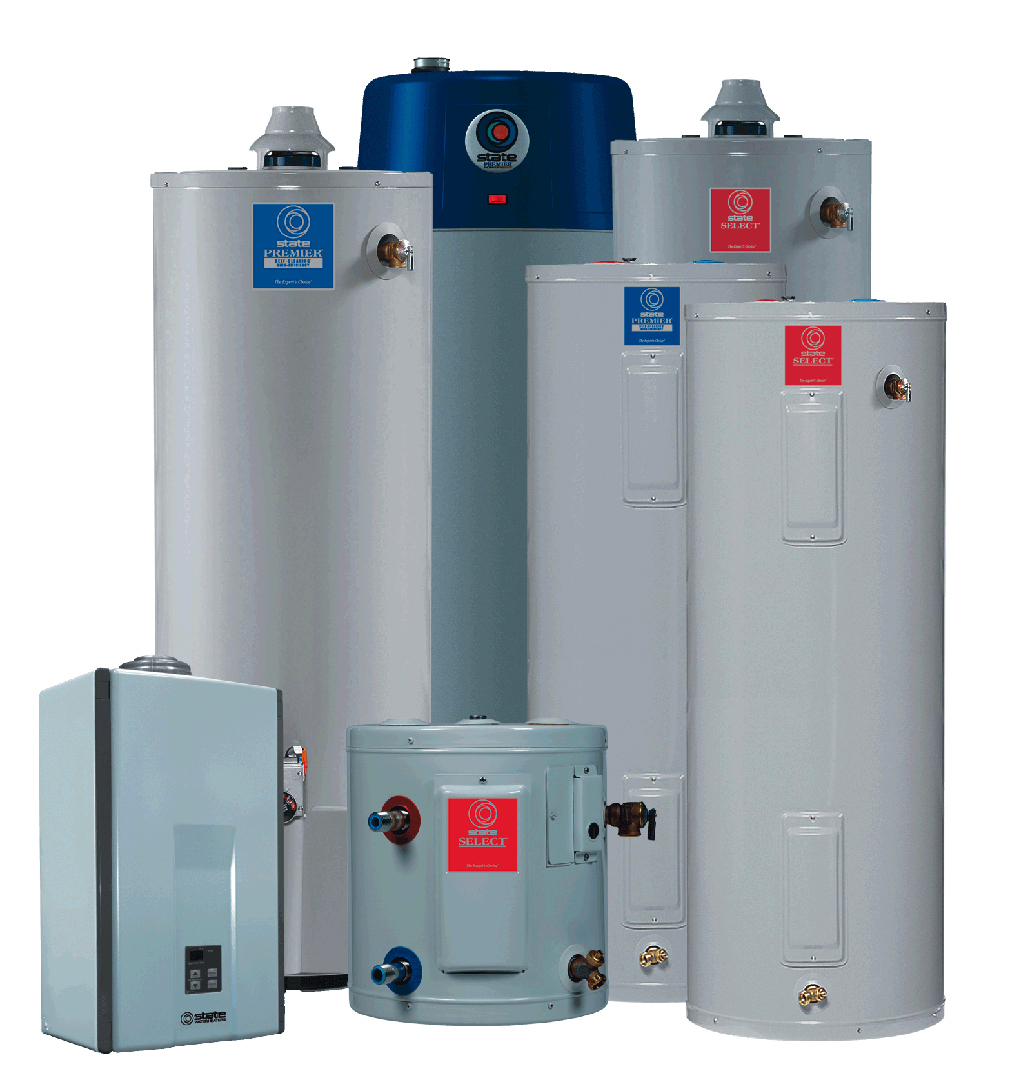
Getting the size right is crucial. An undersized unit leads to cold showers, while an oversized one wastes energy. For storage tanks, the First Hour Rating (FHR) indicates how many gallons of hot water it can supply in an hour. For tankless models, sizing is based on the flow rate in gallons per minute (GPM) needed to run multiple fixtures at once. Our technicians can accurately calculate your household’s peak-hour demand to find the perfect fit from our selection of new water heaters.
Your fuel source impacts operating costs and efficiency. Common options include:
- Natural Gas: Often the most economical and efficient choice, heating water faster than electric models.
- Propane: Performs like natural gas and is common in areas without gas lines.
- Electric: Available everywhere and simpler to install, but operating costs can be higher unless you choose a highly efficient hybrid (heat pump) model.
- Solar: Offers the lowest long-term operating costs but has the highest initial investment and requires a backup system.
The Department of Energy provides helpful guidance on selecting a new water heater based on fuel type.
Maximizing Efficiency and Embracing Smart Technology
Focusing on energy efficiency and smart features can lead to significant savings and convenience.
Look for the Uniform Energy Factor (UEF) rating and choose an ENERGY STAR certified water heater. These models meet strict EPA efficiency guidelines and can save you hundreds of dollars annually. For tank models, good insulation (R-Value of R-24 or higher) is key to minimizing standby heat loss. Choosing an efficient model means you get better access to hot water, lower energy bills.
Smart water heaters offer advanced features like remote temperature control and leak detection alerts through a smartphone app. This allows you to adjust settings, monitor energy use, and receive notifications about potential problems, preventing costly water damage.
As Lynn H. from Maryland Heights shared: “We have used AAA for a number of projects this year including ceiling fan replacement, plumbing problems, electrical work, and most recently a toilet replacement. Every technician has provided excellent quality work at a good price when they say they will be here… We have benefitted from the Service Club Membership to save money.” We’re committed to helping you choose and install the right water heater for your family.
Installation, Maintenance, and Professional Service
Even the best water heater will underperform if it’s improperly installed or neglected. Professional expertise is critical for safety, performance, and longevity.
The Importance of Professional Installation and Repair
Installing or repairing a water heater is not a DIY project. These systems involve complex plumbing, electrical, or gas lines, and mistakes can lead to serious hazards like gas leaks, carbon monoxide exposure, or electrical fires. Improper installation also voids the manufacturer’s warranty.
_compressed.jpg "certified technician inspecting water heater - water heaters")
When you work with certified professionals like our team at AAA Home Services, you ensure the job is done right. Our technicians prioritize safety standards and ensure every installation complies with local building codes across the Greater St. Louis area. Proper venting for gas and propane models is especially crucial to prevent dangerous carbon monoxide from accumulating in your home.
Understanding the common parts of your water heater highlights the importance of professional service. The anode rod is a sacrificial component that protects the tank from rust. The dip tube directs cold water to the bottom of the tank for efficient heating. The Temperature and Pressure (T&P) relief valve is a vital safety device that releases water if pressure or temperature becomes dangerously high. Our technicians inspect and test these parts during installation and service visits.
When you need help, our water heater repair service is ready. Our skilled hot water heater service technicians diagnose and fix problems quickly, often with same-day or next-day appointments available.
Mike M. from Webster Groves experienced this firsthand: “Jack was fantastic, he repaired the issues very quickly, he talked me through his repair and he called and was able to show up before the time I was told which I really appreciated. I use AAA for most all my home issues and he made my decision the right one!”
Essential Maintenance for Your Water Heater
Most water heaters that fail prematurely do so because of neglected maintenance. Regular professional care extends your water heater’s lifespan, improves its efficiency, and helps you avoid a sudden cold shower or basement flood.
Key maintenance tasks performed by a technician include:
- Flushing sediment from the tank annually. Mineral buildup forces your heater to work harder, wastes energy, and accelerates corrosion.
- Anode rod inspection every few years. This sacrificial rod protects your tank, and replacing it when it’s worn out can add years to your water heater’s life.
- Pressure relief valve testing to ensure this critical safety device is functional.
Our professional tune-ups cover these tasks and more, including a full inspection of burners, venting, and controls to ensure safe and efficient operation.
Sharon S. from Wentzville knows the value of this service: “We use AAA for all home services as we are service club members. They do great work and are always pleasant and respectful of our home. Very happy with the knowledge of their respective trades and their ability to quickly diagnose issues. Love this business!”
Regular maintenance pays for itself through lower energy bills, fewer repairs, and a longer system lifespan. Learn more in our article Water Heater Maintenance: Understanding the Importance.
Don’t wait for a crisis. Be proactive and Schedule your water heater service today with AAA Home Services to keep your system running safely and efficiently.


