


What Does a Hot Water Heater Service Technician Do?
If you’re wondering what a hot water heater service technician is or when you need one, here’s a quick answer:
- A hot water heater service technician is a trained professional who installs, repairs, and maintains residential water heaters—both tank and tankless types.
- This expert can accurately diagnose issues like no hot water, leaks, odd noises, or temperature changes, then recommend and perform the safest, most effective fix.
- For most water heater problems, you’ll want to call a licensed plumber or hot water heater service technician, not a general handyman or electrician.
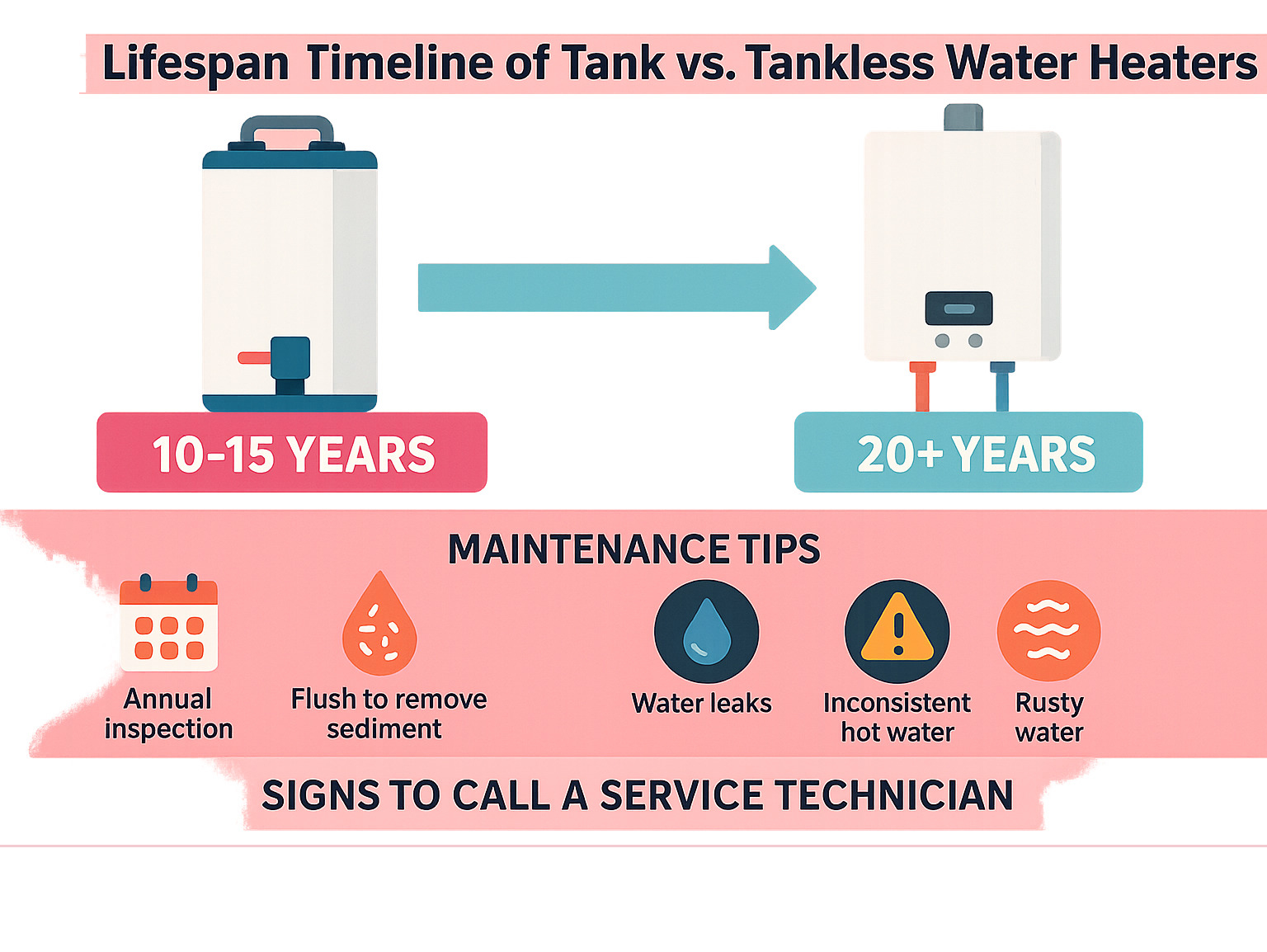
- Signs you should call a technician include water leaks, inconsistent hot water, strange rumbling sounds, rusty or discolored water, or a heater over 10 years old.
- A reliable technician will also help you choose between repair or replacement and explain your options in clear, simple terms.
A modern home can’t function well without hot water for showers, laundry, and cooking. When your water heater fails or starts acting up, the first step is finding the right professional—someone who knows the ins and outs of home water heating systems. This guide explains what a hot water heater service technician does, common warning signs, and how to pick a trustworthy pro so you don’t get burned by poor service or confusing advice.
I’m Dan W, with years of experience managing home repair services and a track record of maximizing service satisfaction for clients who need a hot water heater service technician. Let’s break down everything you need to know and get your home’s hot water running right.
Understanding the Role of a Hot Water Heater Service Technician
When your shower suddenly runs cold or you notice a puddle forming around your water heater, you’re not just looking for any handyman—you need a hot water heater service technician. These professionals are the unsung heroes of home comfort, bringing specialized skills that bridge both plumbing and electrical worlds.
At AAA Home Services, our technicians aren’t just “fixers”—they’re skilled specialists who understand the complex systems keeping your morning shower hot and your dishes clean. They work with every type of residential water heating system you might have in your St. Louis area home:
Traditional tank water heaters run on either gas or electricity, while tankless models heat water on demand. Some homes now feature energy-efficient hybrid heat pump water heaters, and others use point-of-use heaters for specific locations like a guest bathroom or garage sink. Each system comes with its own quirks and maintenance needs.
What truly sets a professional hot water heater service technician apart is their commitment to your family’s safety. Water heaters might seem simple, but they can pose serious risks—from gas leaks and carbon monoxide concerns to electrical hazards, scalding risks, flooding damage, and even explosion dangers if pressure builds up unchecked. Our technicians stay up-to-date with all local building codes in St. Louis, St. Charles, and surrounding communities to ensure your system works efficiently and safely.
Day-to-Day Tasks of a Hot Water Heater Service Technician
The work of a hot water heater service technician varies daily, combining detective work with hands-on repairs. On any given day, our technicians might be:
Performing thorough inspections where they check everything from water temperature and pressure to searching for leaks or corrosion. For gas units, they’ll test gas pressure to ensure proper combustion. With electric models, they’ll verify voltage readings are within safe parameters.
One of the most valuable services our technicians provide is preventative maintenance. This includes flushing tanks to remove sediment buildup (which can cause inefficiency and premature failure) and replacing anode rods—those “sacrificial” metal rods that corrode instead of your tank. Many homeowners don’t realize this simple maintenance step can add years to a water heater’s life.
When repairs are needed, our technicians come prepared with the right tools and parts. They might replace heating elements or thermostats in electric models, clean burners or replace gas valves in gas units, or address more complex issues like pressure relief valve failures. When a system is beyond repair, they’ll guide you through the replacement options that best fit your home and budget.
Skills & Certifications Every Hot Water Heater Service Technician Needs
Inviting someone into your home to work on a complex appliance requires trust. That’s why credentials matter when choosing a hot water heater service technician.
Professional technicians should hold a state plumbing license (which is required in both Missouri and Illinois). Those working with heat pump models need EPA 608 certification for handling refrigerants. Many manufacturers also offer specific training programs for their equipment, and the best technicians pursue these certifications to deepen their expertise.
Beyond paper credentials, look for a technician who demonstrates both technical mastery and professional integrity. This includes plumbing knowledge, electrical troubleshooting abilities, and understanding of gas line safety. They should communicate clearly about what they’re doing and why, show up when promised, and leave your home as clean as they found it.
At AAA Home Services, we take pride in our team’s qualifications. Every technician is fully licensed, insured, and has passed a thorough background check. We also believe in continuous learning, which is why our technicians regularly train on the latest water heater technologies and repair techniques. This commitment to excellence is why St. Louis area homeowners have trusted us for over 50 years to keep their hot water flowing reliably.
Common Hot Water Heater Problems & Early Warning Signs

That moment when you step into the shower, turn the handle, and are greeted with ice-cold water instead of the warm stream you were expecting – we’ve all been there. As a homeowner, few things are more disruptive than water heater troubles. Recognizing the early warning signs can save you from that shocking cold shower experience and help prevent costly emergency repairs down the road.
Our hot water heater service technicians have seen it all over the years, and we’ve noticed patterns in the most common issues that bring St. Louis homeowners to call us:
When you spot water pooling around the base of your water heater, it’s never something to ignore. Even small leaks can quickly escalate into major flooding that damages floors, walls, and personal belongings. This is one situation where immediate attention from a professional is absolutely necessary.
Has your shower suddenly gone cold? This often points to a failed heating element, thermostat problems, or in gas models, a pilot light that’s extinguished. Similarly, if you’re getting lukewarm water despite cranking up the temperature settings, you might be dealing with a failing heating element or substantial sediment buildup affecting performance.
That rusty or brown-tinted water coming from your hot taps tells an important story – your tank is likely corroding from the inside out. Unfortunately, this usually signals that replacement will be needed soon. And if you notice a distinctive rotten egg smell when you run hot water, bacteria may be growing in your tank, often due to a deteriorating anode rod that needs professional replacement.
Those strange rumbling or popping sounds coming from your water heater aren’t ghosts – they’re typically caused by sediment accumulation at the tank bottom. As water heats, it has to bubble through this layer, creating those unsettling noises. Meanwhile, an unexpected spike in your utility bills without increased usage often means your water heater is working overtime and losing efficiency.
If you notice water dripping from the pressure relief valve, pay attention – this safety feature is designed to release pressure when it builds to dangerous levels, and discharge could indicate a serious issue developing inside your tank.
Many of our clients admit they ignored these warning signs until complete failure occurred. However, addressing issues early typically extends your water heater’s lifespan and prevents more extensive (and expensive) repairs later.
Top 5 Issues Homeowners Face
After more than 50 years serving Greater St. Louis homeowners, our hot water heater service technicians have identified these as the most frequent water heater problems we address:
Sediment Buildup tops the list as the most common culprit. The minerals in our local water settle at the tank bottom over time, creating an insulating layer that forces your heater to work harder and longer. This leads to inefficiency, strange noises, and eventually component failure if not addressed through regular maintenance.
In electric water heaters, Heating Element Burnout happens frequently, especially when elements become covered by that troublesome sediment. When elements fail, you’ll notice insufficient hot water throughout your home.
For homes with gas water heaters, Pilot Light Failure prevents the burner from igniting. Our technicians typically trace this to thermocouple failures, gas supply interruptions, or drafts that extinguish the flame.
The Dip Tube isn’t a component many homeowners know about, but when it cracks or breaks, you’ll certainly notice the effects. This tube directs cold water to the bottom of the tank for heating. When damaged, cold water mixes with hot water at the top, resulting in lukewarm water at your taps.
Finally, Tank Corrosion is the terminal diagnosis for water heaters. Despite manufacturers’ best efforts with glass linings and protective measures, tanks eventually corrode from the inside out. Once this happens, replacement becomes the only option. Regular anode rod maintenance by a professional can significantly extend your tank’s life.
If you’re curious about those strange noises coming from your water heater, different sounds often indicate specific problems. You can learn more about common noises and what they mean on our blog.
Red Flags You Need a Hot Water Heater Service Technician ASAP
While some water heater issues can wait a few days for service, certain signs should have you reaching for the phone immediately to call a hot water heater service technician:
When your water heater passes the decade mark, it’s living on borrowed time. The average lifespan of traditional tank water heaters is 8-12 years, and problems in these senior units tend to escalate quickly. If yours is over 10 years old and showing any symptoms, don’t delay calling a professional.
Have you needed multiple repairs in recent months? This pattern of frequent fixes is nature’s way of telling you your water heater is reaching retirement age. Sometimes the most economical decision is replacement rather than continuing to invest in an aging unit.
Any moisture around the base of your water heater requires immediate professional inspection. Even small leaks can indicate that tank failure is imminent, and catching it early can prevent water damage to your home.
If your shower temperature feels like it has a mind of its own – alternating between too hot and too cold – you likely have thermostat issues or heating element problems that require expert diagnosis.
Rusty water or visible corrosion on the tank exterior are clear signs that the inside of your tank is deteriorating. Unfortunately, this isn’t something DIY maintenance can fix – it’s time to call in the pros.
That distinctive rotten egg smell coming only from hot water taps indicates bacteria in your tank and potentially a failing anode rod. This requires professional replacement to resolve both the odor and protect your tank from accelerated corrosion.
At AAA Home Services, we understand that water heater issues rarely happen at convenient times. That’s why we can often offer same-day or next-day service for these urgent situations, helping to prevent further damage to your home and restore your hot water quickly. After all, no one should have to endure cold showers or worry about water damage while waiting for service.
Diagnosing & Repairing: How Technicians Work Their Magic
When a hot water heater service technician arrives at your home, they follow a systematic approach to diagnose and repair your water heater issues. Understanding this process helps you appreciate the value of professional service and know what to expect.
The Diagnostic Process
Our technicians at AAA Home Services follow these steps:
-
Initial Assessment: First, they’ll ask about the symptoms you’ve noticed and how long they’ve been occurring.
-
Visual Inspection: They’ll examine the entire water heater system, looking for obvious signs of damage, leaks, or wear.
-
Operational Testing: The technician will test the water heater in operation, checking temperatures, pressure readings, and listening for unusual sounds.
-
Specialized Testing: Depending on the type of water heater, they may:
- Use a multimeter to test electrical components
- Perform combustion analysis on gas models
- Check gas pressure and connections
- Test the thermostat and limit switches
- Verify proper venting
-
Water Quality Assessment: In some cases, they’ll test your water to check for mineral content that might affect your water heater’s performance.
-
Component Inspection: They’ll examine specific components like the anode rod, heating elements, thermostat, and pressure relief valve.
One of our customers in Chesterfield recently called about inconsistent hot water. Our technician finded the upper heating element was failing intermittently—something the homeowner couldn’t have diagnosed without specialized equipment and knowledge.
Repair Methods for Different Heater Types
Different water heater types require specific repair approaches:
Tank Water Heaters (Gas):
- Pilot light and thermocouple repairs
- Gas valve replacement
- Burner cleaning and adjustment
- Anode rod replacement
- Pressure relief valve service
- Tank flushing to remove sediment
Tank Water Heaters (Electric):
- Heating element replacement
- Thermostat repair or replacement
- Electrical connection service
- Anode rod replacement
- Tank flushing and cleaning
Tankless Water Heaters:
- Heat exchanger descaling
- Flow sensor cleaning or replacement
- Ignition system repairs
- Circuit board diagnostics and replacement
- Venting system inspection and repair
Hybrid Heat Pump Water Heaters:
- Refrigerant checks
- Evaporator coil cleaning
- Compressor diagnostics
- Electronic control troubleshooting
- Condensate drain clearing
Our technicians arrive with fully-stocked service vehicles, carrying genuine manufacturer parts for most major brands. This allows us to complete most repairs in a single visit, minimizing disruption to your home.
Can You DIY or Should You Call a Hot Water Heater Service Technician?
While some minor water heater maintenance can be performed by homeowners, there’s a clear line between DIY-appropriate tasks and those requiring a professional hot water heater service technician.
Safe DIY Tasks:
- Checking and resetting the circuit breaker
- Adjusting the temperature setting
- Relighting a pilot light (with proper caution)
- Performing a simple tank flush by running water from the drain valve
- Insulating exposed hot water pipes
When to Call a Professional:
- Any gas-related issues or gas smell
- Electrical problems beyond a tripped breaker
- Water leaks from the tank or connections
- Replacement of internal components like heating elements
- Complete sediment flushes requiring tank disconnection
- Any repair requiring tool disassembly of the unit
- Annual professional maintenance
Safety should always be your primary concern. Water heaters involve potentially dangerous combinations of electricity, gas, high temperatures, and water pressure. Improper repairs can lead to:
- Carbon monoxide poisoning
- Gas explosions
- Electrical shocks
- Scalding injuries
- Water damage to your home
- Voided warranties
As one of our technicians likes to say: “The money you save on a DIY repair won’t cover the emergency room visit if something goes wrong.”
Costs, Lifespan & When to Replace
Understanding the economics of water heater repairs versus replacement helps you make informed decisions when problems arise. Here’s what our hot water heater service technicians consider when advising customers:
Average Repair Costs and Considerations:
- The average water heater repair costs approximately $600, though simple fixes might be less expensive
- Repairs for tankless units typically range from $220 to $975
- Tank-style water heater repairs usually cost between $225 and $980
- A basic water heater flush service costs between $110 and $200
Lifespan Expectations:
- Traditional gas water heaters typically last 8-12 years
- Electric tank water heaters often last 10-15 years
- Tankless water heaters can function properly for up to 20 years
- Hybrid heat pump models generally last 12-15 years
The 50% Rule:
Industry professionals often recommend replacement rather than repair when:
- The repair cost exceeds 50% of a new water heater’s price
- The unit is beyond 75% of its expected lifespan
- You’ve already made multiple repairs in recent years
For example, if your 11-year-old water heater needs a $700 repair and a new one costs $1,300, replacement is likely the more economical long-term choice.
Energy Efficiency Considerations:
Newer water heaters are significantly more energy-efficient than models from even 10 years ago. The energy savings from upgrading can help offset the replacement cost over time. Modern tankless and hybrid heat pump models can reduce water heating costs by 24-34% compared to conventional storage tank water heaters. According to the EPA’s research on water heating efficiency, upgrading to an ENERGY STAR certified water heater can save a family of four approximately $3,500 in energy costs over the water heater’s lifetime.
Budgeting for Repairs & Upgrades
When planning for water heater service, it’s helpful to understand the cost components:
Common Repair Parts Pricing Ranges:
- Heating elements for electric models
- Thermostats and control boards
- Pressure relief valves
- Gas valves for gas models
- Anode rods
- Dip tubes
Additional Cost Factors:
- Labor rates vary by region and company
- Permit fees may be required for replacements
- Disposal charges for old units
- Upgrades to meet current building codes
- Water line modifications if changing heater types
At AAA Home Services, we provide clear, upfront pricing before beginning any work. We also offer financing options for larger repairs or full replacements, making it easier to budget for unexpected water heater issues.
Signs It’s Time to Upgrade, Not Fix
Our hot water heater service technicians recommend replacement over repair in these situations:
Physical Tank Damage:
Once the tank itself is leaking or showing significant corrosion, replacement is the only option. Unlike other components, the tank cannot be repaired.
Constant Thermostat or Control Issues:
Recurring problems with temperature control often indicate systemic electrical issues that will continue to cause problems.
Family Growth or Changing Demands:
If your household size has increased or your hot water usage patterns have changed, your current water heater may no longer meet your needs regardless of repairs.
Outdated Efficiency Rating:
Older water heaters may be functioning but operating at energy efficiency levels far below current standards. The EPA notes that upgrading to an ENERGY STAR certified water heater can save a family of four approximately $3,500 in energy costs over the water heater’s lifetime.
Multiple Component Failures:
When several parts fail simultaneously or in quick succession, it often indicates the entire system is wearing out.
A customer in Webster Groves recently called us about a leak. Upon inspection, our technician found not only a leaking pressure relief valve but also a corroded tank bottom and failing heating element. Rather than making multiple expensive repairs to an 11-year-old unit, we helped them upgrade to a new, more efficient model that better matched their family’s needs.
How to Choose the Right Technician Near You
When your hot water suddenly disappears during your morning shower, panic can set in. But taking a little time to find the right hot water heater service technician can save you from bigger headaches down the road. Think of it like dating – you wouldn’t commit to the first person who comes along, and the same principle applies to who you let work on your home’s vital systems.
Start by checking the basics – is the technician properly licensed for your area? In Missouri and Illinois, proper plumbing licenses are non-negotiable. A quick verification of their license number through your state’s professional licensing board can prevent potential disasters. Also confirm they carry adequate insurance (both liability and workers’ comp), which protects you if something goes sideways during the repair.
What are other homeowners saying? In our digital age, reputation matters more than ever. Browse through Google reviews, check their Better Business Bureau rating, and don’t be shy about asking for references from previous customers. Companies with staying power, like AAA Home Services’ 50+ years serving St. Louis families, have earned their longevity through consistent quality work.
Pay attention to how potential companies handle your initial call. Do they listen carefully to your problem? Are they willing to provide a clear, flat-rate quote instead of vague hourly estimates that could balloon unexpectedly? The best hot water heater service technicians will explain what they think is happening in plain English, not confusing jargon designed to make you feel helpless.
Consider whether you need a specialist or a full-service provider. Some companies focus exclusively on water heaters, while others like AAA Home Services can address related plumbing or electrical issues that might be contributing to your water heater problems. There’s comfort in knowing one trusted team can handle whatever complications arise.
10 Questions to Ask Before Hiring
Before you schedule that service call, arm yourself with these essential questions to separate the professionals from the pretenders:
“How much experience do you have with my specific water heater model?” The answer reveals whether they truly understand your system’s quirks and common issues.
“Do you carry parts for my brand, or will you need to order them?” Nothing’s worse than paying for a diagnosis only to wait days for parts to arrive.
“What kind of warranty covers your work and the parts you install?” A hot water heater service technician who stands behind their work will offer solid warranty coverage – typically at least a year on labor.
“Can I get a written estimate before any work begins?” Transparent pricing prevents that sinking feeling when the final bill arrives.
“If something goes wrong after you leave, how quickly can you return?” Their answer reveals much about their commitment to customer satisfaction.
“Will you handle permit requirements for larger repairs or replacements?” Professional companies manage these details so you don’t have to steer bureaucratic waters.
“Beyond fixing the immediate problem, will you check the entire system?” The best technicians look for developing issues that might cause future headaches.
“How do you protect my home during and after the repair?” Professionals should leave your space as clean or cleaner than they found it.
“Can you recommend maintenance steps to prevent future problems?” Good technicians educate as well as repair.
“What payment options do you offer?” Understanding payment expectations upfront prevents awkward moments when the work is complete.
At AAA Home Services, our technicians are prepared to answer all these questions clearly because we believe informed customers make the best long-term clients.
Latest Innovations Your Hot Water Heater Service Technician Should Know
A truly professional hot water heater service technician stays current on technological advances that could benefit your home. If your technician seems puzzled by mentions of newer technology, consider it a red flag.
Smart controllers with Wi-Fi connectivity have revolutionized water heater management, allowing you to adjust temperatures remotely, monitor energy usage, and even receive alerts about potential problems through smartphone apps. Some systems can detect unusual water flow patterns that might indicate leaks, potentially saving you from serious water damage.
Advanced leak detection systems represent another major leap forward. Rather than finding a leak after water has damaged your floors and walls, these systems can automatically shut off water flow at the first sign of trouble. A knowledgeable technician can explain how these preventative measures could save you thousands in potential damage.
Recirculation pumps are gaining popularity among homeowners tired of waiting for hot water to reach distant bathrooms. These systems keep hot water circulating through your pipes, delivering instant warmth when you turn on the tap. An experienced technician can evaluate whether your home’s layout would benefit from this technology.
Heat pump water heaters have dramatically improved energy efficiency in recent years. By extracting heat from surrounding air instead of generating it directly, these units can use up to 60% less electricity than conventional electric water heaters. Your technician should be able to calculate potential energy savings based on your household’s hot water usage patterns.
Self-cleaning systems that reduce sediment buildup represent another innovation worth discussing with your technician. These systems can extend your water heater’s lifespan by addressing one of the most common causes of failure.
According to scientific research on heat pump efficiency, these advanced water heating systems can operate at efficiency levels three to four times higher than conventional electric resistance water heaters under ideal conditions.
At AAA Home Services, we make staying current with these technologies a priority through ongoing training programs for our technicians. When you’re ready to upgrade or need expert water heater service, we’re just a call away. You can learn more about our Water Heater Repair Service on our website.
Frequently Asked Questions about Hot Water Heater Service
Who should fix my water heater—plumber, electrician, or HVAC tech?
When your water heater starts acting up, choosing the right professional can feel confusing. For most water heater issues, your best bet is a licensed plumber or specialized hot water heater service technician, and here’s why:
Plumbers bring the perfect combination of skills—they understand both water systems and have working knowledge of the gas and electrical connections that water heaters require. They’re trained to handle the complete system, not just parts of it.
While electricians might seem logical for an electric water heater problem, they typically focus on electrical components without the plumbing expertise needed for comprehensive service. They’re great for electrical panel issues, but may not understand the intricacies of water heater operation.
For hybrid or heat pump water heaters specifically, an HVAC technician brings valuable expertise since these units use refrigerant technology similar to your air conditioner. Their specialized knowledge becomes particularly important for this newer technology.
What makes our approach at AAA Home Services unique is that our technicians receive cross-training in plumbing, electrical, and HVAC systems. This comprehensive knowledge means you don’t need to call multiple specialists for different aspects of your water heater—one skilled professional can handle it all, saving you time and hassle.
How much does it typically cost to repair vs. replace a unit?
Making the financial decision between repairing or replacing your water heater depends on several important factors that our hot water heater service technicians consider when providing recommendations.
For repair considerations, timing matters. Minor fixes like thermostat replacement or heating element repairs usually make economic sense for units less than 7 years old. Most common tank model repairs fall in a moderate price range, while tankless repairs have their own cost structure. Regular maintenance services like professional tank flushing are relatively inexpensive and can prevent costlier problems down the road.
When looking at replacement factors, it’s important to consider the big picture. While a new tank-style water heater costs more upfront than simple repairs, it’s often less expensive than multiple major repair visits. Tankless models require a higher initial investment but reward you with a significantly longer lifespan (about 20 years versus 10-12 for tanks) and ongoing energy savings.
Many homeowners don’t realize that upgrading to a more efficient model can provide substantial long-term utility bill savings that help offset the replacement cost. Plus, new installations typically include warranties covering parts and sometimes labor—giving you peace of mind that repairs won’t be needed anytime soon.
A helpful guideline many professionals use is the 50% rule: if repairs would cost more than half the price of a new unit, replacement is usually more economical, especially when the unit is approaching the end of its expected lifespan. Our technicians can walk you through this calculation for your specific situation.
What maintenance extends the life of my water heater the most?
Regular maintenance dramatically extends your water heater’s lifespan, often doubling it when done properly. Our hot water heater service technicians consistently see that these maintenance procedures make the biggest difference:
Annual tank flushing is perhaps the single most important maintenance task. Sediment buildup acts like an insulating blanket at the bottom of your tank, forcing your heater to work harder and creating damaging hot spots on gas models. This sediment is the number one killer of water heaters, and flushing removes these deposits before they cause serious damage.
The anode rod replacement might be the most overlooked yet critical maintenance item. This “sacrificial” rod corrodes so your tank doesn’t have to. Checking and replacing it every 3-5 years (more frequently if you have a water softener) can literally double your water heater’s useful life. Many homeowners don’t even know this component exists until it’s too late.
Your water heater’s temperature and pressure relief valve serves as a crucial safety device that prevents dangerous pressure buildup. Testing it annually ensures it will function properly if emergency conditions develop—and helps identify potential problems before they become serious.
For electric models, heating element inspection prevents efficiency loss and eventual failure. Elements can develop scale buildup and corrosion over time, especially in areas with hard water. Checking them periodically helps catch issues early.
Finally, maintaining the proper temperature setting (around 120°F) provides sufficient hot water while minimizing energy use and reducing stress on your system. Many water heaters are set unnecessarily high, which accelerates wear and wastes energy.
At AAA Home Services, we’ve seen how these simple maintenance procedures can add years to a water heater’s life. That’s why we offer comprehensive maintenance plans that include these essential services, performed by our experienced technicians who know exactly what to look for and how to keep your system running efficiently for years to come.
Conclusion
Your water heater isn’t just another appliance—it’s the unsung hero that makes your morning shower possible, keeps those dishes sparkling clean, and ensures your laundry gets properly washed. When this essential system starts acting up, knowing who to call can make all the difference between a quick fix and a costly headache.
Throughout this guide, we’ve explored what a hot water heater service technician does, the warning signs that suggest you need one, and how these skilled professionals diagnose and solve the problems that leave you in cold water. We’ve also examined when repairs make sense and when replacement becomes the smarter long-term investment.
Remember those early warning signs we discussed—unusual noises, inconsistent temperatures, rusty water, or mysterious leaks? Don’t ignore them. Small problems rarely resolve themselves, and addressing issues early typically saves money and prevents the inconvenience of complete system failure.
When you do need professional help, take the time to find a properly licensed and experienced hot water heater service technician who can provide clear explanations and transparent pricing. Ask questions, check credentials, and look for reviews from other homeowners who’ve been in your position.
At AAA Home Services, we take pride in being the trusted water heater experts that St. Louis area families have relied on for over five decades. Our technicians bring not just technical expertise to your home, but also respect, honesty, and a genuine desire to solve your problems in the most cost-effective way possible. That commitment to service excellence is why we’ve earned over 8,000 Google reviews from satisfied customers throughout St. Louis, St. Charles, and Warren County.
Whether you’re facing an unexpected water heater issue or simply due for preventative maintenance, we can often offer same-day or next-day service to restore your hot water and your peace of mind. Our hot water heater service technicians arrive with fully-stocked vehicles, ready to solve most problems in a single visit.
Don’t wait until you’re forced to take that ice-cold shower! Contact AAA Home Services today to schedule your water heater repair service. Your family deserves the comfort and reliability that comes from working with true professionals who treat your home as carefully as their own.
After all, in home comfort, there’s nothing quite as disappointing as turning on the hot water tap and getting a chilly surprise. Let us help keep your hot water flowing reliably for years to come.


