



Why Home AC Unit Installation Planning Matters for St. Louis Homeowners
Home AC unit installation is a major investment that requires careful planning to ensure you get the right cooling system for your specific needs. Here are your main installation options:
Central Air Systems:
- Split systems (outdoor condenser + indoor coil)
- Packaged units (all components in one outdoor unit)
- Best for: Homes with existing ductwork
Ductless Mini-Split Systems:
- Individual indoor units connected to outdoor compressor
- Best for: Homes without ducts, room additions, zoned cooling
Window & Portable Units:
- Temporary or supplemental cooling solutions
- Best for: Single rooms, rental properties, budget constraints
When temperatures soar in the Greater St. Louis area, having the right cooling system isn’t just about comfort – it’s about making smart decisions that save you money long-term.
Professional installation matters. The EPA reports that about half of all air conditioners don’t perform to their advertised capacity due to incorrect installation. Poor sizing can waste 5% of energy consumption, while unsealed ducts can waste up to 15%.
I’m Dan Walsh, and I’ve spent years managing home repair services and working with technicians to ensure maximum client satisfaction with home AC unit installation projects. Through my experience, I’ve seen how proper planning and professional installation make all the difference in system performance and homeowner satisfaction.
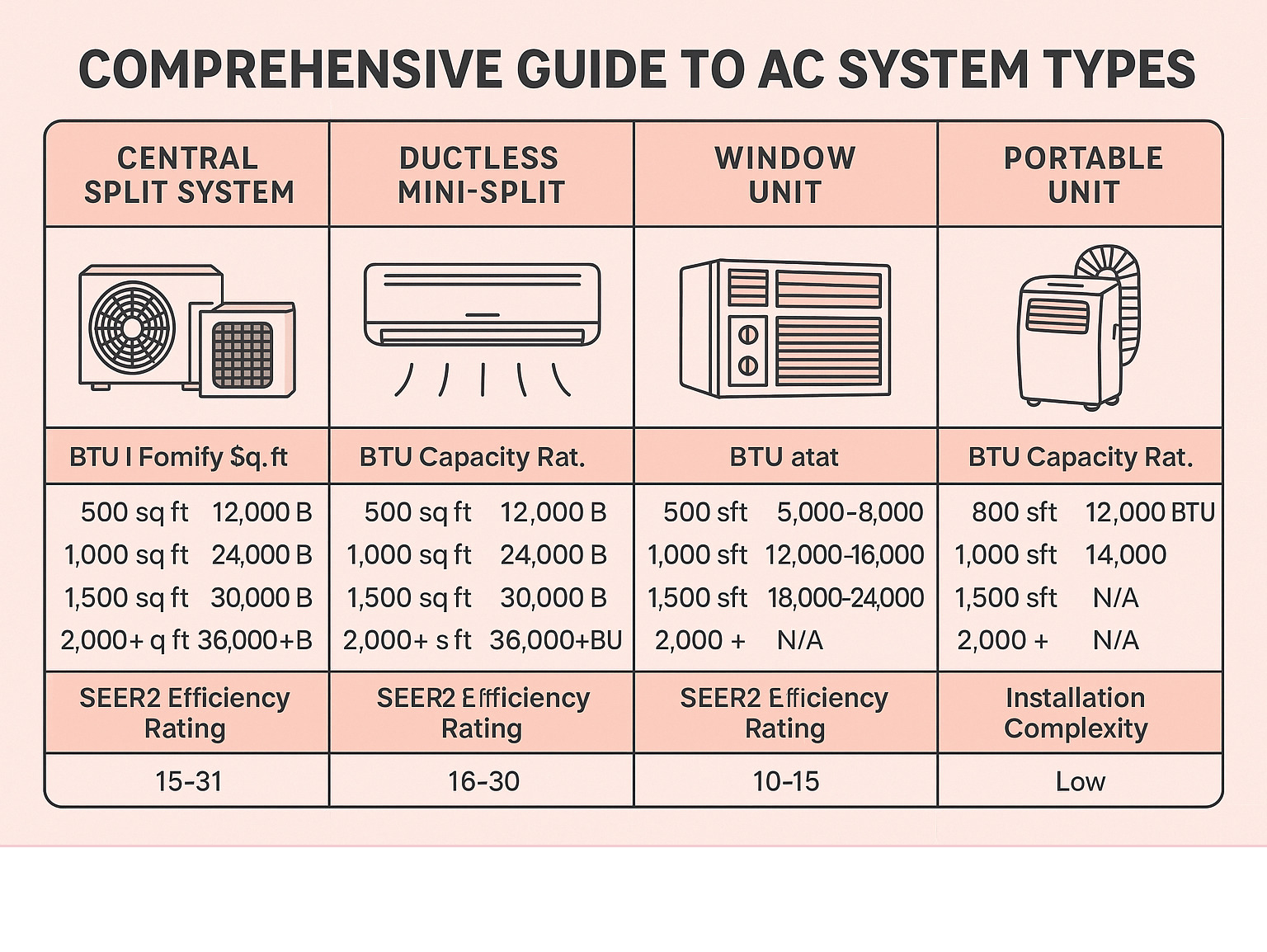
Home AC unit installation terms simplified:
Planning Your Home AC Unit Installation
Getting your home AC unit installation right starts with understanding exactly what your home needs. It’s not just about picking the biggest unit or the cheapest option – it’s about finding the perfect match for your specific situation.
The foundation of any successful installation is a proper cooling load calculation. This scientific approach goes way beyond just measuring your square footage. A Manual J load calculation takes into account how your home actually behaves in our St. Louis climate.
Your home’s unique characteristics matter more than you might think. The insulation in your walls and attic, the direction your windows face, your ceiling height, and even how many people live in your home all affect how much cooling you’ll need.
Insulation levels play a huge role in determining the right system size. Well-insulated homes in our St. Charles and O’Fallon service areas need smaller, more efficient units, while older homes with poor insulation require more cooling capacity to stay comfortable.
Window orientation creates surprising differences in cooling needs. South and west-facing windows let in much more heat than north-facing ones, especially during our hot summer afternoons.
This careful planning prevents the two most common mistakes we see: oversized systems that waste energy and cycle on and off constantly, or undersized systems that run continuously but never quite keep you comfortable. For detailed guidance on proper sizing standards, the Scientific research on proper sizing from the Air Conditioning Contractors of America provides excellent technical information.
Home AC Unit Installation Checklist
Planning your home AC unit installation project means thinking through several important details before the work begins.
System sizing starts with that professional Manual J calculation we mentioned, plus a thorough assessment of your existing ductwork if you have it. Your electrical panel needs evaluation too – older homes sometimes need upgrades to handle modern high-efficiency equipment safely.
Permits and inspections are required for most installations. Local building permits, electrical permits for new circuits, and HVAC permits for refrigerant work all need to be pulled before installation begins.
Timeline planning helps avoid surprises. Peak season installations book up quickly, so planning ahead gives you better scheduling options.
Budgeting & Incentives for Home AC Unit Installation
Smart homeowners in the Greater St. Louis area can take advantage of several financial incentives that make home AC unit installation more affordable.
Federal tax credits offer substantial savings on qualifying high-efficiency systems. You can receive up to 30% back as a tax credit when you install ENERGY STAR certified equipment. This program runs through 2032, though the percentage will gradually decrease in later years.
Manufacturer financing often includes attractive 0% interest options for qualified buyers. Many homeowners find this helps them afford higher-efficiency equipment that saves money long-term through reduced energy bills.
Long-term savings deserve serious consideration in your budget planning. Upgrading to a new high-efficiency air conditioner can cut your annual cooling costs by up to 36%. Higher-efficiency systems often pay for themselves through energy savings while providing better comfort and reliability.
Comparing Residential Cooling Options
Choosing the right cooling system for your home AC unit installation can feel overwhelming with so many options available. Each type of system has its sweet spot, and understanding these differences helps you make the perfect choice for your home and budget.
The two main contenders for most homes are central air systems and ductless mini-splits. But window units and portable systems also have their place in certain situations.
Central Air Conditioning at a Glance
Central air conditioning is like the reliable friend you can always count on – it’s been cooling American homes for decades. If your home already has ductwork from a furnace system, central air becomes an even more attractive option.
The system works by placing an outdoor condensing unit next to your home and connecting it to an indoor evaporator coil that teams up with your existing furnace blower. This partnership creates consistent, whole-home comfort that keeps every room at your desired temperature.
What makes modern central air systems really shine is their advanced technology. Variable-speed compressors don’t just blast cold air – they adjust their output to match your home’s exact cooling needs. This means better humidity control and more even temperatures throughout your house.
SEER2 ratings on today’s central systems can reach up to 24, which translates to serious energy savings compared to older units. Many of our customers in Chesterfield and Ballwin are amazed at how much their utility bills drop after upgrading to a high-efficiency central system.
Ductless Mini-Splits: Spot Cooling Heroes
Think of ductless mini-splits as the Swiss Army knife of cooling systems. They’re incredibly versatile and perfect for situations where traditional central air just doesn’t make sense.
These systems consist of a compact outdoor compressor connected to one or more sleek indoor air-handling units mounted high on your walls. The connection requires only a small hole through your exterior wall – much less invasive than installing an entire duct system.
Zoned cooling is where mini-splits really show off. Each indoor unit operates independently, so you can keep the master bedroom at 68 degrees while the guest room stays at 72.
We’ve installed countless mini-split systems in Lake St. Louis and Wentzville homes, especially in room additions and converted spaces like finished basements or bonus rooms above garages. These areas often aren’t connected to the main duct system, making ductless the perfect solution.
Window & Portable Units: Short-Term Solutions
Sometimes you need cooling in a hurry, or you’re dealing with a rental property where permanent installation isn’t an option. That’s where window and portable units come to the rescue.
Window units have come a long way from the noisy, energy-hungry models of the past. Today’s units offer BTU capacities from 5,000 to 18,000, suitable for rooms up to 500 square feet.
Portable units offer the ultimate flexibility since you can move them from room to room as needed. They vent through windows using included kits, so no permanent modifications to your home are required.
While these units serve specific needs well, they’re generally less efficient than permanent home AC unit installation options. We typically recommend them for temporary cooling needs, rental properties, or as supplemental cooling in problem areas.
Size, Efficiency & Features That Matter
Getting the right size and efficiency for your home AC unit installation directly impacts your comfort and energy bills. Think of it like buying shoes – too small and you’ll be uncomfortable, too big and you’re wasting money on something that doesn’t work properly.
Air conditioning capacity is measured in BTUs (British Thermal Units) or tons. One ton of cooling capacity equals 12,000 BTUs and represents the amount of heat needed to melt one ton of ice in 24 hours.
Most residential systems range from 1.5 tons for smaller homes up to 5 tons for larger homes. But here’s where many contractors get it wrong – they just look at square footage and call it a day. That’s like prescribing glasses based only on someone’s height.
Calculating the Right BTU/tonnage for Your Room or Home
When our technicians visit homes throughout the Greater St. Louis area, we consider much more than just square footage. Ceiling height matters because hot air rises, and those beautiful vaulted ceilings in many St. Charles homes mean more space to cool. The number of occupants affects the calculation too – people generate heat, especially when they’re cooking or entertaining.
Your home’s sun exposure and window types play a huge role. Those gorgeous west-facing windows that give you beautiful sunset views also dump heat into your home all afternoon. Insulation quality is equally important – we’ve found that many older homes in established neighborhoods need larger units due to poor insulation, while newer developments around O’Fallon often need smaller systems thanks to better building practices.
Here’s a general guideline: a 1,500 square foot home typically needs 2 to 2.5 tons, while a 2,000 square foot home usually requires 2.5 to 3 tons. But remember, these are just starting points. Professional load calculations consider all the factors that affect your specific home’s cooling needs.
Why SEER2 Beats SEER: Reading the Energy Label
The Department of Energy updated efficiency testing standards in 2023, introducing SEER2 (Seasonal Energy Efficiency Ratio 2) to replace the older SEER rating system. This change gives you more accurate real-world efficiency measurements.
SEER2 ratings start at the minimum of 13-14 (depending on your region) and go up to 24 for the most efficient systems. Think of SEER2 like your car’s gas mileage – higher numbers mean lower operating costs. A 16 SEER2 unit uses about 25% less energy than a 13 SEER2 unit, which translates to hundreds of dollars in annual savings on your utility bills.
ENERGY STAR requirements set the bar at 15 SEER2 for split systems and 14 SEER2 for single-package systems. These ratings ensure you’re getting equipment that delivers significant energy savings compared to older, less efficient models.
The beauty of modern variable compressor technology is that it adjusts cooling output to match your home’s needs, much like cruise control in your car. Instead of constantly turning on and off, these systems run at lower speeds most of the time, providing better humidity control and more consistent temperatures.
For detailed information about current efficiency standards and how they’re tested, check out this Scientific research on SEER standards from the Energy Information Administration.
If you’re wondering about other important considerations for your home AC unit installation, our Heating & Air Conditioning FAQ covers many common questions homeowners have about system selection and performance.
Step-by-Step Guide: Professional Central AC Installation
Professional home AC unit installation is like conducting a symphony – every step must be perfectly timed and executed by skilled technicians. After managing countless installations in the Greater St. Louis area, I can tell you that the difference between a good installation and a great one lies in the details.
The complexity of modern air conditioning systems means this isn’t a weekend DIY project. We’re talking about refrigerant handling (which requires EPA certification), electrical work that must meet local codes, and precision measurements that affect your comfort for the next 15-20 years.
Pre-Install Home Prep & Safety
The day before your home AC unit installation, our team conducts a final site survey to ensure everything goes smoothly.
Getting your home ready starts with clearing pathways from your front door to the installation areas. Our technicians need to move heavy equipment – outdoor condensers can weigh 200+ pounds – so furniture and decorative items should be moved away from these routes.
Access preparation is crucial for attic and crawlspace work. We need clear paths to existing ductwork and enough space to maneuver safely.
Pet and family considerations matter during installation day. The constant door opening, loud noises, and unfamiliar people can stress pets, so having them stay elsewhere or in a secure room helps everyone.
Our certified technicians handle all the technical safety preparations. Electrical panel assessment ensures your home can handle the new system’s power requirements. Many homes in older St. Charles neighborhoods need electrical upgrades, which we coordinate with qualified electricians.
For more insights on preparing your cooling system for peak performance, check out our tips to Beat the Summer Heat with an AC Check.
Installation Day Walk-Through for Your Home AC Unit Installation
Most home AC unit installation projects take one to two full days, depending on your home’s specific requirements.
Morning setup begins with our team reviewing the installation plan and conducting final measurements. We double-check everything because once we start cutting holes for refrigerant lines, there’s no going back.
Outdoor condenser placement happens first since it’s usually the heaviest work. The unit must sit perfectly level on a concrete pad, with proper clearances for airflow and service access.
Indoor evaporator coil installation requires precision work inside your existing furnace cabinet or air handler. This component must integrate seamlessly with your heating system while providing the cooling capacity your home needs.
Refrigerant line installation is where the real skill shows. These copper lines must be properly sized, insulated, and routed without kinks or damage. Our technicians braze all connections using specialized torches and follow strict procedures to prevent leaks.
System commissioning begins with vacuum testing to remove all moisture and air from the refrigerant lines. Even tiny amounts of moisture can damage your compressor, so this step takes patience and precision equipment.
Final Testing & Homeowner Orientation
The final phase of your home AC unit installation separates professional installations from amateur work. We don’t just flip the switch and hope for the best.
Performance testing begins with temperature measurements at multiple points throughout your home. We verify that each room receives proper airflow and that the system maintains consistent temperatures.
Thermostat programming and calibration ensures accurate temperature control. Modern programmable and smart thermostats have dozens of settings, and we configure everything according to your family’s schedule and preferences.
Homeowner education is where we share the knowledge you need to get maximum comfort and efficiency from your new system. We walk through thermostat operation, explain the maintenance schedule, and show you how to change filters properly.
Documentation and warranties include equipment registration, installation certificates, and maintenance recommendations. We handle warranty registration so you’re protected from day one.
Post-Installation Care & Lifespan Tips
Your home AC unit installation represents a significant investment, and proper care extends its lifespan and maintains peak efficiency. The average air conditioner lasts about 15 years with proper maintenance – but we’ve seen well-maintained systems in the St. Charles area run efficiently for 20 years or more.
Think of your air conditioner like your car – regular maintenance keeps it running smoothly and prevents expensive breakdowns. The good news is that modern systems are built to be reliable, but they do need attention to perform their best.
Regular filter changes are the single most important thing you can do as a homeowner. We recommend checking your filter monthly and replacing it every 1-3 months depending on usage and home conditions. Homes with pets, smokers, or lots of dust may need more frequent changes.
DIY Maintenance vs. Professional Tune-Ups
While we always recommend calling trained technicians for most maintenance tasks, there are a few things homeowners can safely handle on their own.
You can handle basic filter replacement, keeping your outdoor unit clear of leaves and debris, and monitoring your system for unusual sounds or odors. Check your thermostat batteries periodically, and make sure all your vents stay unblocked.
Leave the technical work to professionals like our certified technicians at AAA Home Services. Refrigerant work requires special certifications and equipment. Electrical connections need proper testing and tightening. Coil cleaning involves chemicals and techniques that can damage equipment if done incorrectly.
Annual professional maintenance prevents costly breakdowns and keeps your warranty valid. We’ve seen too many homeowners face expensive repairs that could have been prevented with regular tune-ups.
For details about our maintenance services, visit our Air Conditioning Repair Service – AC Maintenance & Tune-Up page.
Saving Money on Operation Year-Round
Smart operation habits after your home AC unit installation can significantly reduce your energy bills without sacrificing comfort.
Thermostat settings make the biggest difference in your energy costs. Setting your temperature to 78°F when you’re home and a few degrees higher when you’re away can save hundreds of dollars annually. Programmable and smart thermostats make this automatic.
Your home’s efficiency matters just as much as your equipment’s efficiency. Sealing air leaks around windows and doors keeps cool air inside where it belongs. Adding insulation to attics and crawlspaces reduces the workload on your system.
Ceiling fans help you feel comfortable at higher thermostat settings by improving air circulation. Running fans allows you to set your thermostat 3-4 degrees higher while maintaining the same comfort level.
Frequently Asked Questions About Home AC Unit Installation
What additional costs (ductwork, electrical upgrades, permits) should I expect?
When planning your home AC unit installation, it’s important to understand that the sticker price on your new air conditioner is just the starting point. Many homes require additional work to ensure your new system operates safely and efficiently.
Ductwork often needs attention during installations. If your home lacks existing ducts, you’re looking at a significant addition to your project. Even homes with existing ductwork frequently need modifications – we often find that return air systems need upgrading, or that existing ducts have leaks that waste energy.
Electrical upgrades catch many homeowners by surprise. Modern high-efficiency air conditioners often require dedicated circuits that older homes simply don’t have. If your electrical panel doesn’t have sufficient capacity, you’ll need an upgrade before we can safely install your new system.
Permits and inspections are part of the process for home AC unit installation projects. Building permits, electrical permits for new circuits, and HVAC permits for refrigerant work all add to your project. These aren’t optional extras – they’re required by law and protect your investment.
Can I install an AC myself or should I hire a pro?
I get this question a lot, and I understand the appeal of saving money with a DIY home AC unit installation. Unfortunately, this is one home improvement project where professional installation isn’t just recommended – it’s essential for safety, legal, and practical reasons.
The legal requirements alone make DIY installation problematic. Handling refrigerant requires EPA certification, which isn’t something you can get over a weekend. Electrical work must meet local codes, and many areas require licensed contractors to pull permits.
The technical complexity goes far beyond what most homeowners realize. Proper system sizing requires detailed load calculations that consider dozens of factors. Refrigerant charging requires specialized equipment and training – too much or too little refrigerant can damage your expensive new equipment.
Your warranty depends on professional installation. Most manufacturers void their warranties if the system isn’t installed by certified professionals. Insurance companies may also deny claims related to improperly installed equipment.
How long does a typical installation take?
Most homeowners are pleasantly surprised by how quickly professional home AC unit installation can be completed when everything goes according to plan.
Standard installations typically take one to two days. If we’re replacing an existing system with similar equipment, have adequate electrical capacity, and don’t need ductwork modifications, we can often complete your installation in a single day.
More complex installations require additional time. New ductwork installation can extend your project to three to five days, depending on your home’s layout. Electrical panel upgrades add time, as does any structural work needed to accommodate new equipment.
Several factors can affect your timeline. Weather conditions impact outdoor work, especially during our unpredictable Missouri springs and falls. Permit approval and inspection scheduling sometimes add delays, though we handle all the coordination for you.
Conclusion
Your journey to perfect home comfort starts with making informed decisions about home AC unit installation. Whether you’re battling another scorching St. Louis summer or planning ahead for next year’s heat wave, the right cooling system transforms your house into a comfortable sanctuary.
The difference between a good installation and a great one often comes down to the details we’ve covered throughout this guide. Professional sizing calculations ensure your system won’t waste energy or struggle to keep up. Quality equipment with high SEER2 ratings saves money month after month on utility bills. Expert installation protects your investment and keeps your family comfortable for years to come.
We’ve seen too many homeowners learn the hard way that cutting corners on home AC unit installation leads to bigger problems down the road. Oversized systems that cycle on and off constantly. Undersized units that run constantly but never quite cool the house. Poor installation that voids warranties and creates expensive repair bills.
At AAA Home Services, we’ve spent over 50 years perfecting our approach to residential cooling solutions. Our team serves homeowners throughout St. Charles, O’Fallon, Lake St. Louis, Warrenton, Wentzville, and the entire Greater St. Louis area with the same commitment to excellence that’s earned us more than 8,000 Google reviews.
Fair, honest service means no surprises or hidden fees. Award-winning service means getting the job done right the first time. Our certified technicians understand that your home AC unit installation isn’t just about equipment – it’s about your family’s comfort and peace of mind.
Don’t wait until the next heat wave hits to start planning your cooling solution. Professional installation takes time to schedule properly, especially during peak season when everyone suddenly remembers they need reliable air conditioning.
Ready to take the next step? Visit our New Air Conditioner Installation page to explore your options and learn more about our comprehensive installation services. We can often provide same-day or next-day consultations to get your project moving quickly.
Your comfort is our priority, and we’re here to help you make the best choice for your home and budget. Contact us today to schedule your consultation and find why thousands of Greater St. Louis area homeowners trust AAA Home Services for their home AC unit installation needs.


