



First Steps for a Leaking Water Heater
A temporary fix for leaking hot water heater situations starts with these immediate actions:
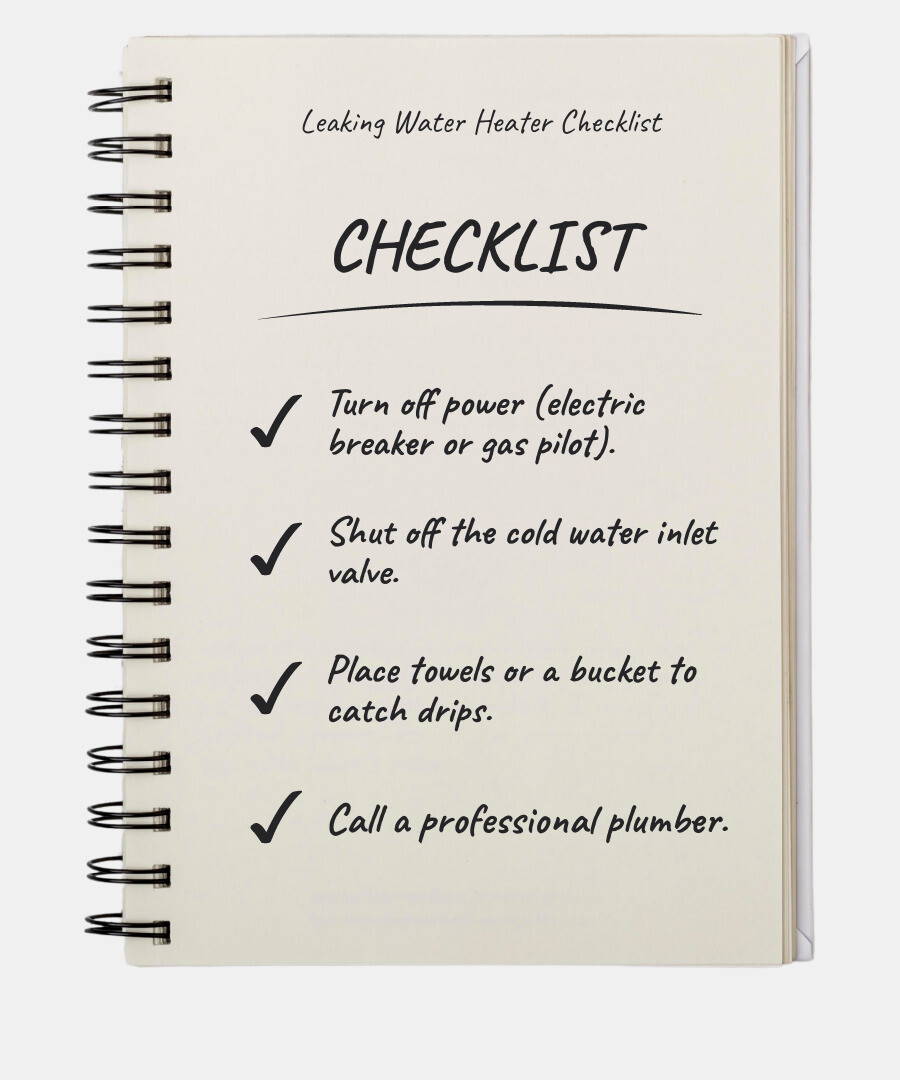
- Turn off the power – Flip the circuit breaker for electric heaters or set gas heaters to “pilot”
- Shut off the water supply – Turn the cold water inlet valve clockwise
- Place towels or a bucket under the leak to catch dripping water
- Call a professional plumber – A trained technician can assess and repair the issue safely
Important: These steps buy you time and minimize damage, but they don’t solve the root problem. A leaking water heater signals a serious issue that requires professional attention.
Finding water pooling around your hot water heater is stressful, as a leak can cause water damage, mold, and safety hazards. Fortunately, you can take immediate action to protect your home while waiting for a professional. Even a small leak can waste a significant amount of water and cause damage to your floors, walls, and ceilings. Taking proactive steps saves money and prevents further issues.
I’m Dan Walsh of AAA Home Services. With years of experience helping Greater St. Louis homeowners with temporary fix for leaking hot water heater scenarios, I’ll guide you through the immediate steps, what to look for, and when to call a professional.
Explore more about temporary fix for leaking hot water heater:
Identifying the Leak and What to Do Next
Once you spot water, calmly identifying the source will help you take the right action and inform your plumber. The goal is to minimize damage and ensure safety until help arrives.
How to Find the Source of the Leak
Finding where the water is coming from is your first crucial step. Grab a flashlight and a dry cloth, start at the top of the heater, and work your way down. Wipe any suspicious spots; if the cloth is wet, you’ve found a leak point.
- T&P (Temperature and Pressure Relief) Valve: This is a common leak source. This safety device releases water if pressure or temperature gets too high. A constant drip may indicate excessive pressure, a temperature setting above the recommended 120°F, or a failed valve.
- Drain Valve: Located at the bottom of the tank, this valve can leak if sediment prevents a tight seal or if the valve itself is corroded.
- Pipe Fittings: The cold water inlet and hot water outlet pipes at the top can develop leaks if fittings loosen or corrode over time.
- The Tank Itself: This is the most serious leak. Pinholes or cracks, especially at the bottom of the tank, usually mean internal corrosion has compromised the unit. There is no reliable temporary fix for leaking hot water heater tanks—replacement is the only safe solution.
Knowing the leak’s origin helps you communicate clearly with your technician. We understand finding a leak is unsettling, which is why we at AAA Home Services are ready to help. As James S. from Chesterfield, MO shared, “Can’t say enough of how great Dan and Tim were in getting us a water heater replaced within a matter of hours. The customer service was so impressive, from the initial call to the office to the final installation. AAA will be my one and only source for any home appliance or home service needs from here on out.” For more details, visit our Water Heater Repair page.
Immediate Safety Actions You Must Take
No matter the leak’s source, safety is your priority. Water heaters involve high temperatures, pressure, and either electricity or gas, all of which are hazardous if handled incorrectly.
First, shut off the power supply. For an electric water heater, flip the corresponding circuit breaker to “OFF”. For a gas water heater, turn the gas shut-off valve to “OFF” or set the thermostat to “PILOT”. This prevents electrical shock, gas leaks, and damage to the unit.
Next, shut off the water supply. Turn the cold water inlet valve (usually on a pipe at the top of the heater) clockwise until it stops. If you can’t find this valve or the leak is severe, turn off the main water shut-off valve for your entire house.
These are critical safety measures, not repairs. We always recommend calling a professional technician, like those at AAA Home Services, to safely diagnose and fix the root cause.
What Homeowners Can Do While Waiting for Professional Help
With the power and water off, your job is to manage the water and prevent damage until a technician arrives. Any “fix” you perform is purely for temporary containment.
Place towels or a bucket under the leak to catch drips and use a wet/dry vacuum for any standing water. Move valuable items away from the area to protect them and give our technician space to work. It’s also wise to take photos of the leak and any damage for your records and potential insurance claims.
We cannot stress this enough: if your hot water heater tank is leaking, do not attempt to patch it yourself. You may see online suggestions for using epoxy putty or repair tape, but these methods are not suitable or safe for a pressurized hot water tank. A DIY patch will likely fail and could lead to a catastrophic rupture. Your focus should be on containment and calling a professional—not attempting a temporary fix for leaking hot water heater tanks. For more information, see our post on a Broken Water Heater.
When to Call a Professional and How to Prevent Future Leaks
While temporary measures buy time, a leaking water heater almost always requires professional expertise to avoid significant water damage, mold, and safety hazards.
Signs You Need a Professional Plumber Immediately
The question isn’t if you should call a plumber, but how soon. Call immediately if you see these signs:
- A Leaking Tank: Water seeping from the main body of the tank, especially the bottom, indicates fatal internal corrosion. A temporary fix for leaking hot water heater tanks is not possible; the unit must be replaced.
- Rusty Water: Discolored hot water is a strong sign that the inside of your tank is corroding and may soon fail.
- Age: Most tank water heaters last 8-12 years. If your unit is in or beyond this range, replacement is often safer and more cost-effective than repair.
- Visible Corrosion or Frequent Repairs: Advanced wear on components or the need for constant fixes suggests it’s time for a new, more reliable unit.
We pride ourselves on being the go-to experts in the St. Louis area. Maureen B. from Ballwin, MO, shared: “Of all the plumbers we have hired they were the most professional, reliable, good quality and overall good people! Family owned and they are just excellent. Tim, knows his business, and that was reassuring.” Our technicians can assess your unit and help you explore options, including energy-efficient New Water Heaters.
How a Professional Drains the Water Heater Tank
Draining a leaking water heater is a critical step best left to a professional. Our technicians perform this task safely to avoid scalding and property damage. After shutting off the power and water, they attach a hose to the drain valve and carefully empty the tank. This process also removes damaging sediment buildup, which causes corrosion and reduces efficiency. Attempting this yourself can lead to burns or an incomplete draining, which is why we recommend calling a trained AAA Home Services technician.
Long-Term Prevention and Maintenance
Proactive maintenance is the best defense against future leaks and can significantly extend your unit’s life.
Annual professional maintenance is our top recommendation. A AAA Home Services technician can perform a comprehensive inspection, including:
- Tank Flushing: To remove corrosive sediment that causes leaks and inefficiency.
- Anode Rod Inspection: This “sacrificial” rod corrodes to protect your tank’s interior. We check and replace it when needed to prevent tank failure.
- T&P Valve Check: Ensuring this critical safety feature functions correctly.
- Water Pressure Test: High pressure (over 80 psi) strains your system. We can test it and recommend a pressure-regulating valve if needed.
Setting your heater to 120°F, as recommended by the Department of Energy, also saves energy and reduces wear.
Investing in regular maintenance is a smart choice. As Cheryl R. from Cottleville, MO, attests, “AAA Plumbing and Home services is the one to call for all home services. Jeremy was professional, neat and efficient! I trust AAA for all of my home services and have never been disappointed.” Our Service Club Membership offers benefits like annual checks and priority service.
Don’t let a drip turn into a flood. If your hot water heater is leaking or due for maintenance, contact us at AAA Home Services today. Our team serves the Greater St. Louis, St. Charles, and Warren County areas.
Learn more about our services:


