



Why Clean Out Shower Drain Issues Are More Common Than You Think
Clean out shower drain problems affect nearly every homeowner at some point, turning your relaxing shower into a frustrating experience with ankle-deep water pooling around your feet. Here’s what you need to know about addressing this common household issue:
Quick Solutions for Clogged Shower Drains:
- Remove visible hair and debris from the drain opening
- Use a plunger designed for flat surfaces to dislodge blockages
- Pour hot water down the drain to dissolve soap scum buildup
- Install a drain strainer to catch hair before it causes problems
- Call a professional plumber for persistent clogs or multiple affected drains
Most shower drain clogs are caused by a combination of hair, soap scum, and mineral deposits from hard water. While standing water might seem like just an inconvenience, it can actually lead to more serious plumbing issues if left untreated.
The most common culprits behind slow-draining showers include long hair that forms clumps in the P-trap, soap residue that hardens over time, and body oils that create sticky buildup. As one frustrated homeowner finded, “My shower drain has gotten pretty slow, and I am moving out of this place pretty soon. I tried pouring kettles of boiling water down the shower drain to unclog it, but that didn’t help.”
Chemical drain cleaners might seem like an easy fix, but they can actually damage your pipes and create hazardous conditions for professional plumbers who need to work on your system later. The safest and most effective approach involves mechanical removal of blockages using professional-grade tools.
Many homeowners struggle with the decision of when to clean out shower drain issues themselves versus calling for professional help. For persistent or difficult clogs, certified plumbers use specialized equipment to safely clear even the most stubborn blockages without damaging your plumbing system.
Recognizing the Red Flags: Signs You Have a Clogged Shower Drain
Standing in a shallow pool of water during your shower is often the first clue that a clog is brewing. Before we explain how to clean out shower drain issues, it’s important to spot the warning signs. Catching these early can save you a lot of headaches.
The most obvious signal is slow draining water. What starts as a minor delay can quickly turn into ankle-deep water pooling around your feet. This is a clear sign your drain is struggling to keep up.
Another tell-tale sign is gurgling sounds coming from the drain. This usually means air is struggling to escape past a blockage, a clear signal from your plumbing system that there’s a problem.
Perhaps the most unpleasant indicator is foul odors emanating from the drain. These nasty smells are typically caused by decomposing organic matter—like hair, skin cells, and soap scum—that has built up inside your pipes. This creates a perfect feeding ground for bacteria and mold, leading to musty or even sewage-like smells.
In more serious situations, you might notice water backing up in other fixtures, like your toilet or a nearby sink. This is a big red flag, suggesting a more significant blockage further down your main sewer line. When multiple drains are affected, the problem is likely deeper within your home’s plumbing system. Ignoring these signs can lead to costly water damage and unsanitary conditions.
The Anatomy of a Clog: What’s Really Blocking Your Drain?
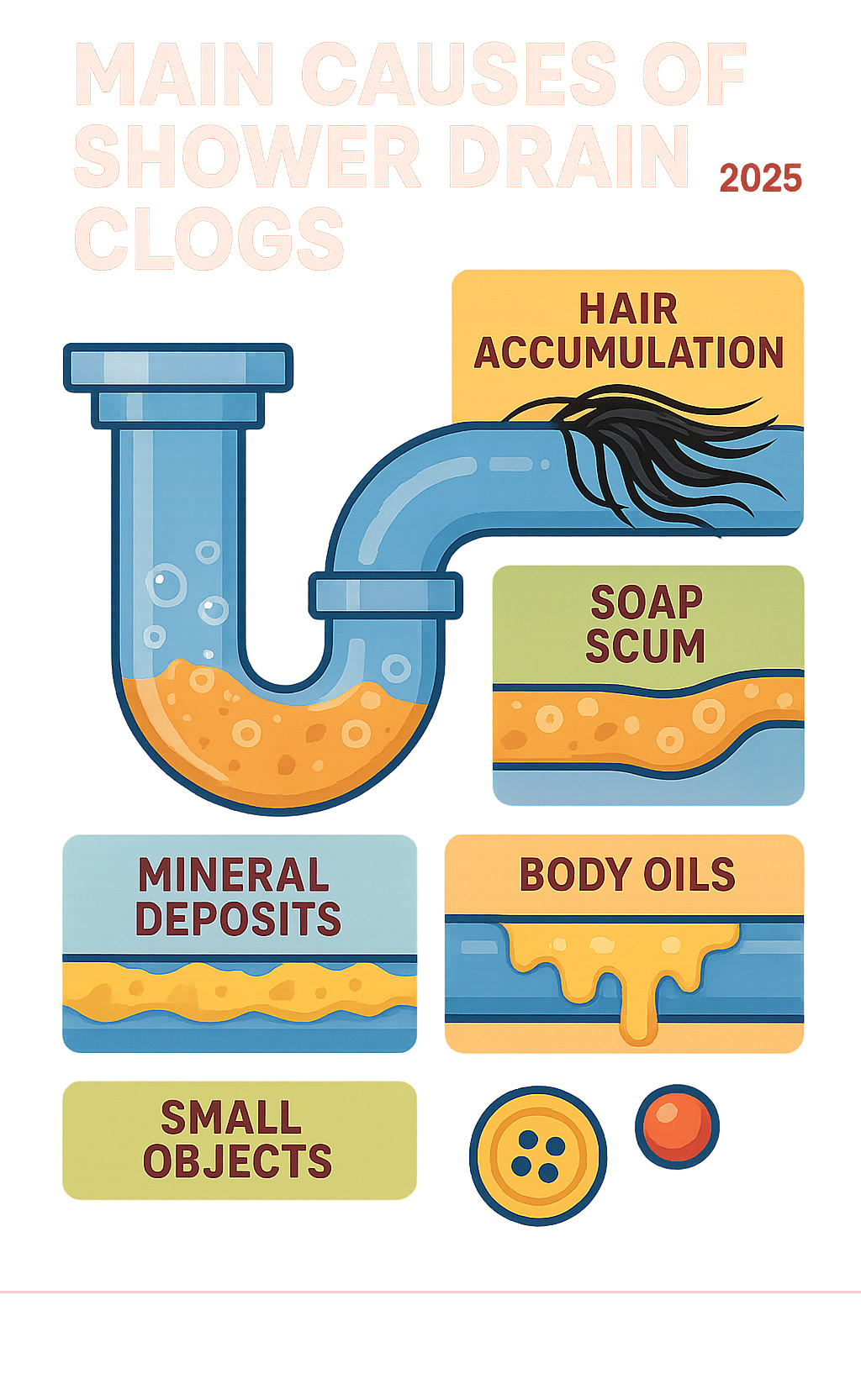
When you’re dealing with a stubborn blockage, understanding what’s actually causing the problem helps you realize why some clean out shower drain attempts work better than others. Let me walk you through the usual suspects that are probably lurking in your pipes right now.
Hair is by far the biggest troublemaker. Every time you shower, strands naturally fall out and head straight down the drain. It doesn’t matter if your hair is long or short – those individual strands have a sneaky way of catching on rough spots in your pipes and tangling together. Before you know it, you’ve got a dense, matted ball acting like a fishing net, grabbing onto everything else that tries to flow past.
Soap scum might sound harmless, but it’s surprisingly stubborn. When your soap mixes with body oils and minerals from hard water, it creates this sticky, waxy buildup that clings to your pipe walls. Think of it like plaque on your teeth – it starts thin but keeps building up over time. This gummy residue doesn’t just narrow your pipes; it also gives hair and other debris something to stick to, making clogs even more stubborn.
Your daily routine contributes to the problem too. Body oils from your skin, along with shampoos, conditioners, and body scrubs, leave behind a greasy film. This slippery coating might seem like it would help things flow better, but it actually creates the perfect environment for other materials to get trapped and build up.
Occasionally, small objects take an unexpected dive down your drain. Maybe it’s an earring that slipped off while you were washing your hair, or a bottle cap that bounced off the shower floor. These items can create an instant roadblock that turns a minor slow drain into a complete blockage.
Most of these materials end up collecting in your P-trap – that U-shaped section of pipe right under your shower. This curved design is actually supposed to hold water to keep sewer gases from wafting up into your bathroom, but that same shape makes it the perfect spot for hair and soap scum to settle in and cause trouble.
Why Professional Help Matters: Risks of DIY Drain Cleaning
When your shower drains slowly, the temptation to fix it yourself is understandable. However, DIY drain cleaning can sometimes turn a manageable problem into a plumbing nightmare.
The biggest concern with aggressive DIY attempts is the potential for pipe damage. Using too much force, a makeshift snake, or harsh chemical cleaners can crack, corrode, or even burst your pipes. A simple clean out shower drain job can quickly become a major renovation project with hefty repair bills.
Even when DIY methods don’t cause damage, they’re often just ineffective solutions for anything beyond surface-level clogs. You might poke a small hole through the blockage, but the main chunk of hair and soap scum is still lurking, ready to cause problems again.
This is where the importance of trained technicians really shines. Certified plumbers know how to read the signs, choose the right tools, and safely clear even the most stubborn blockages.
What Happens During a Professional Drain Cleaning?
When you call a professional to clean out shower drain problems, the process starts with a thorough assessment of the clog. Technicians determine what they’re dealing with before they start working.
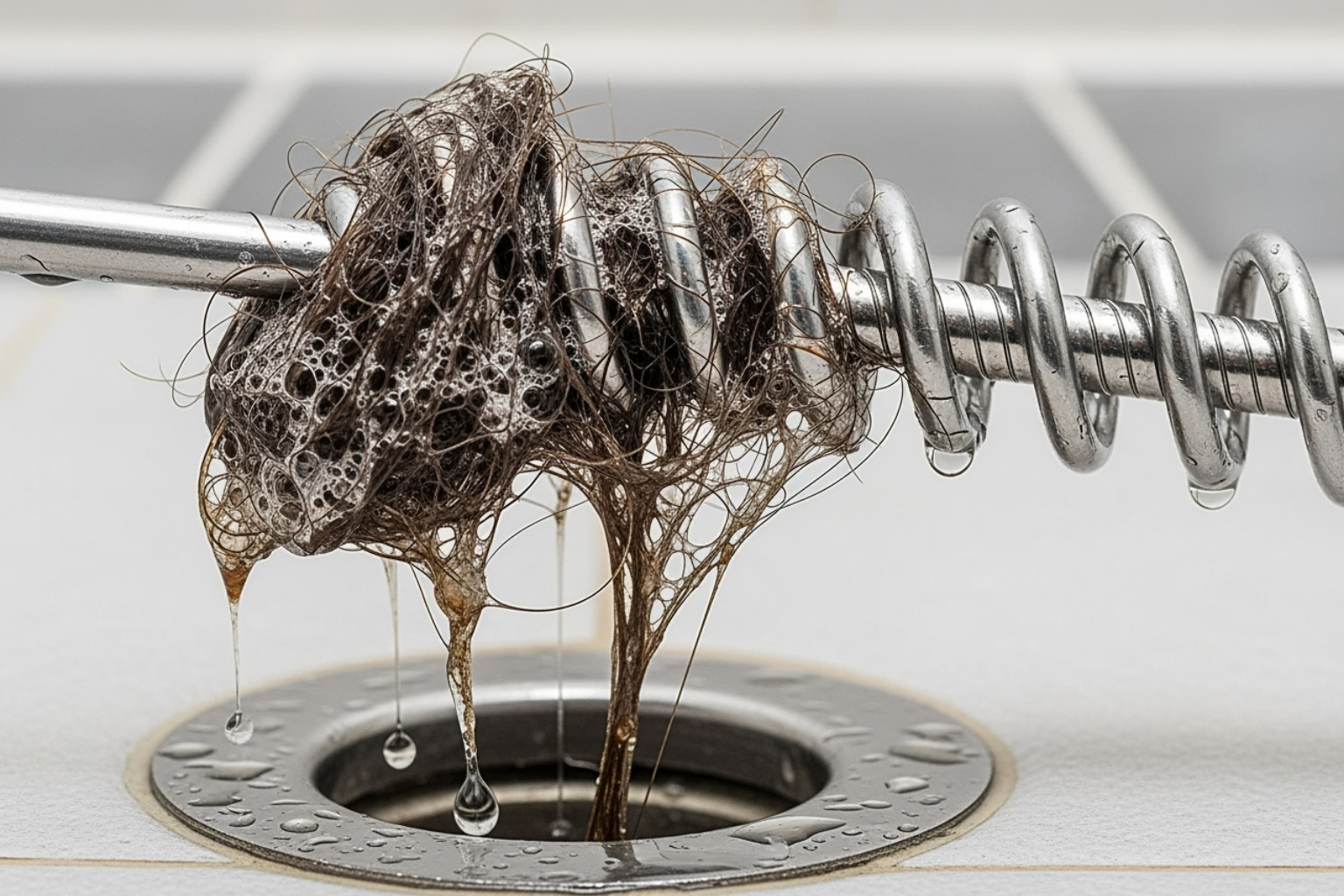
Once the problem is identified, they bring out professional-grade tools. Professional drain snakes and augers are built to handle the twists and turns of your plumbing system without scratching or damaging the pipe walls. A trained plumber knows exactly how much pressure to apply and how to maneuver around corners without creating new problems.
For really tough clogs, they might use hydro jetting—a high-pressure water system that can blast away years of buildup, leaving your pipes cleaner than they’ve been in years.
Throughout the process, the focus is on the safe removal of buildup while protecting your pipes and fixtures. Professionals have seen too many DIY disasters where homeowners ended up with cracked tiles or damaged drain assemblies because they didn’t know the limits of their tools.
The Dangers of Chemical Drain Cleaners
Chemical drain cleaners might seem like an easy fix when you need to clean out shower drain blockages, but they come with serious risks that most people don’t realize until it’s too late.
The most alarming issue is pipe corrosion. These cleaners contain harsh chemicals that generate heat and eat away at your pipes. Repeated use on metal or PVC pipes can weaken the material, causing cracks or bursts.
Then there are the toxic fumes these products release. Breathing in these chemical vapors in a poorly ventilated bathroom can cause throat irritation and other respiratory problems.
If your home has a septic system, chemical cleaners are particularly harmful to septic systems. They kill the beneficial bacteria that keep your septic tank functioning, which can lead to system failure and costly repairs.
Using chemical cleaners can also make professional help more hazardous. When a professional works on a drain treated with these chemicals, there’s a real risk of dangerous splashing. Plumbers will typically ask about chemical use before they start—it’s a critical safety measure for their technicians.
The bottom line is that these chemicals often create more problems than they solve. Professional mechanical removal is safer and more effective.
When to Call a Professional Plumber
While removing visible hair from your drain is basic maintenance, there comes a point where it’s time to call in the experts. Recognizing these moments can save you from a plumbing disaster.
Persistent clogs that return despite your best efforts are a clear sign you need professional help. If you’ve tried basic methods and the shower still drains slowly or backs up, the blockage is likely deeper in your system than you can safely reach.
The situation is more serious when multiple drains are affected. If your shower, sink, and toilet act up simultaneously, you likely have a main sewer line issue. Sewage smells or gurgling sounds from your toilet when the shower is on are also red flags for a main line blockage.
DIY methods that have failed are another clear indicator it’s time to call a professional. Admitting a clog is beyond your capabilities is the smart move, as continuing to attack it can lead to damaged pipes and higher repair costs.
A professional team arrives with professional-grade augers and hydro jetting equipment to tackle stubborn blockages safely and effectively. These specialized tools are designed to clean out shower drain clogs without damaging your plumbing.
Recognizing when you’ve reached your DIY limits is key. Experienced technicians have the right tools and expertise to get your drains flowing freely again without the guesswork and potential damage.
Proactive Plumbing: How to Prevent Future Shower Drain Clogs
Ah, the sweet sound of a freely draining shower! The best way to deal with a stubborn, slow-draining shower is to stop it from happening in the first place, right? Proactive plumbing isn’t just about fixing problems; it’s about preventing them, saving you from future headaches and unexpected expenses. Here are some top tips to keep your shower drain flowing smoothly and avoid needing to clean out shower drain clogs.
The simplest and often most effective preventative measure is to install a drain strainer or hair catcher. Think of these inexpensive little helpers as your drain’s personal bodyguard! They sit right over or inside your drain opening, acting as a physical barrier. This means they catch all that hair and larger debris before it has a chance to slip into your pipes and start forming a nasty clog. Since hair is one of the main culprits behind shower clogs, a good hair catcher is an easy win for prevention. Not sure which one is right for your shower? A professional plumber can recommend and even install the perfect one for your home, ensuring it fits snugly and traps debris effectively.
While pouring hot water down the drain yourself can offer a minor, temporary flush, regular hot water flushing treatments performed by a professional can make a real difference. This isn’t just about a kettle of hot water; it’s about a thorough cleaning that helps wash away stubborn soap scum, body oils, and other residues before they can build up and create a problem. A professional plumber understands your plumbing system and knows how to safely perform these deeper flushes without risking damage to your pipes.
It’s also super important to be mindful of what goes down your drain. We know most people think of kitchen sinks when it comes to grease, but avoid pouring grease or foreign objects down your shower drain, too! Body oils and heavy conditioners can leave behind a greasy film that sticks to your pipes, just like cooking grease. And those tiny items – hair ties, jewelry, even little plastic caps – can accidentally slip down and create an immediate, hard blockage. A little caution goes a long way!
Finally, the ultimate proactive step is to schedule professional drain maintenance. Even with the best strainers and careful habits, some buildup is just inevitable over time. Regular professional cleaning, perhaps once a year or every other year, can clear out accumulated soap scum, hair, and other residues before they turn into a full-blown, frustrating clog. This is especially helpful for busy households or homes where multiple people with long hair use the shower regularly. It’s like a preventative check-up for your plumbing!
Frequently Asked Questions about Cleaning Shower Drains
It’s normal to have questions about your home’s plumbing, especially shower drains. Here are some of the most common ones, along with expert answers.
How often should I have my shower drain cleaned?
How often you should clean out shower drain areas depends on usage and household size, especially if there are long-haired individuals. For basic upkeep, monthly maintenance is suggested, which involves removing hair from the drain strainer. For busy bathrooms, a check every other week is even better.
However, if your shower drains slowly despite regular cleaning or if clogs keep returning, you likely have deeper buildup. In these cases, it’s wise to schedule a professional inspection to ensure the drain is truly clear.
Why does my shower drain smell even if it’s not clogged?
A smelly shower drain without a visible clog is unpleasant. There are a few common reasons for this odor:
Even if water is flowing, hair, soap scum, and skin cells can create a slimy layer inside your pipes called biofilm. This is a breeding ground for bacteria and mold, which produce foul odors as they decompose.
Another common culprit is a dry P-trap. This U-shaped pipe under your drain holds water to block sewer gases. If a shower isn’t used often, the water can evaporate, allowing unpleasant sewer gases into your bathroom.
Less often, a smell might indicate a problem with your home’s plumbing vent system. A blocked vent can affect air pressure and allow sewer gases to escape. If you suspect a dry P-trap, running the shower for a few minutes can refill it. If a strong, persistent sewage odor remains, it’s time to call the pros, as it could signal a more serious issue.
Can I use a shop-vac to clean out a shower drain?
A wet/dry shop vacuum has limited uses when you need to clean out shower drain issues. It can be helpful for removing standing water from the shower basin or pulling out loose debris near the drain opening.
However, a shop-vac is not a fix for deep clogs caused by compacted hair or soap scum further down the pipes. There’s also a risk of exposure to sewer gas. Due to these limitations and risks, while a shop-vac might offer temporary relief, deep or persistent clogs are best left to professionals with the specialized tools to clear the blockage safely and effectively.
Conclusion: Keep Your Drains Flowing Freely
From annoying slow drains and standing water to the funny gurgling sounds your pipes might be making, we’ve covered a lot of ground. The usual suspects behind a clogged shower drain are often just hair and soap scum, but sometimes there’s a trickier problem lurking, like a dry P-trap or a deeper blockage.
Prevention truly is key! Simple steps like installing a drain strainer, running some hot water after your shower, and being careful about what goes down the drain can make a huge difference. These small habits can help you avoid those frustrating clogs and keep your plumbing happy.
But let’s be honest, even with the best intentions, some clogs are just too stubborn for DIY fixes. If you’ve tried everything and that water is still pooling, or if you’re noticing bigger issues like multiple drains backing up or those unpleasant sewage smells, it’s a clear sign to call in the professionals.
That’s where professional plumbers come in. Certified plumbers have the right expertise and professional-grade tools to safely and effectively clean out shower drain clogs, big or small, making sure your water flows freely again. They can help keep your plumbing in top shape.
Ready to say goodbye to standing water and hello to smooth drains? For expert drain cleaning services, contact a local professional.


