



Why Regular AC Maintenance Saves You Money and Headaches
AC maintenance is essential for keeping your cooling system running efficiently and avoiding costly breakdowns. Here’s what you need to know:
- Change filters every 1-3 months depending on usage and pets
- Schedule professional tune-ups annually (ideally in spring)
- Keep 2 feet of clearance around outdoor units
- Never use pressure washers on condenser coils
- Clean condensate drains yearly to prevent water damage
Like car maintenance prevents engine failure, regular AC care prevents system breakdowns during the hottest days of summer. Many homeowners don’t realize that neglecting simple maintenance tasks can reduce their system’s efficiency by 5-40% and significantly shorten its lifespan.
“Most car owners understand how regular maintenance like oil changes, tire rotations and filter changes can go a long way towards maximizing performance; the same goes for your air conditioner,” notes the Department of Energy. Yet surprisingly, many households are lucky if they change their AC filters even once a year.
Regular AC maintenance isn’t just about avoiding repairs—it’s about maintaining comfort, improving air quality, and keeping energy bills manageable. A properly maintained air conditioner can save you up to 15% on cooling costs while preventing premature system failure.
I’m Dan W, with extensive experience managing home repair services and training technicians to deliver exceptional AC maintenance that keeps systems running at peak performance. I’ve seen how simple maintenance mistakes can lead to expensive repairs that could have been easily avoided.
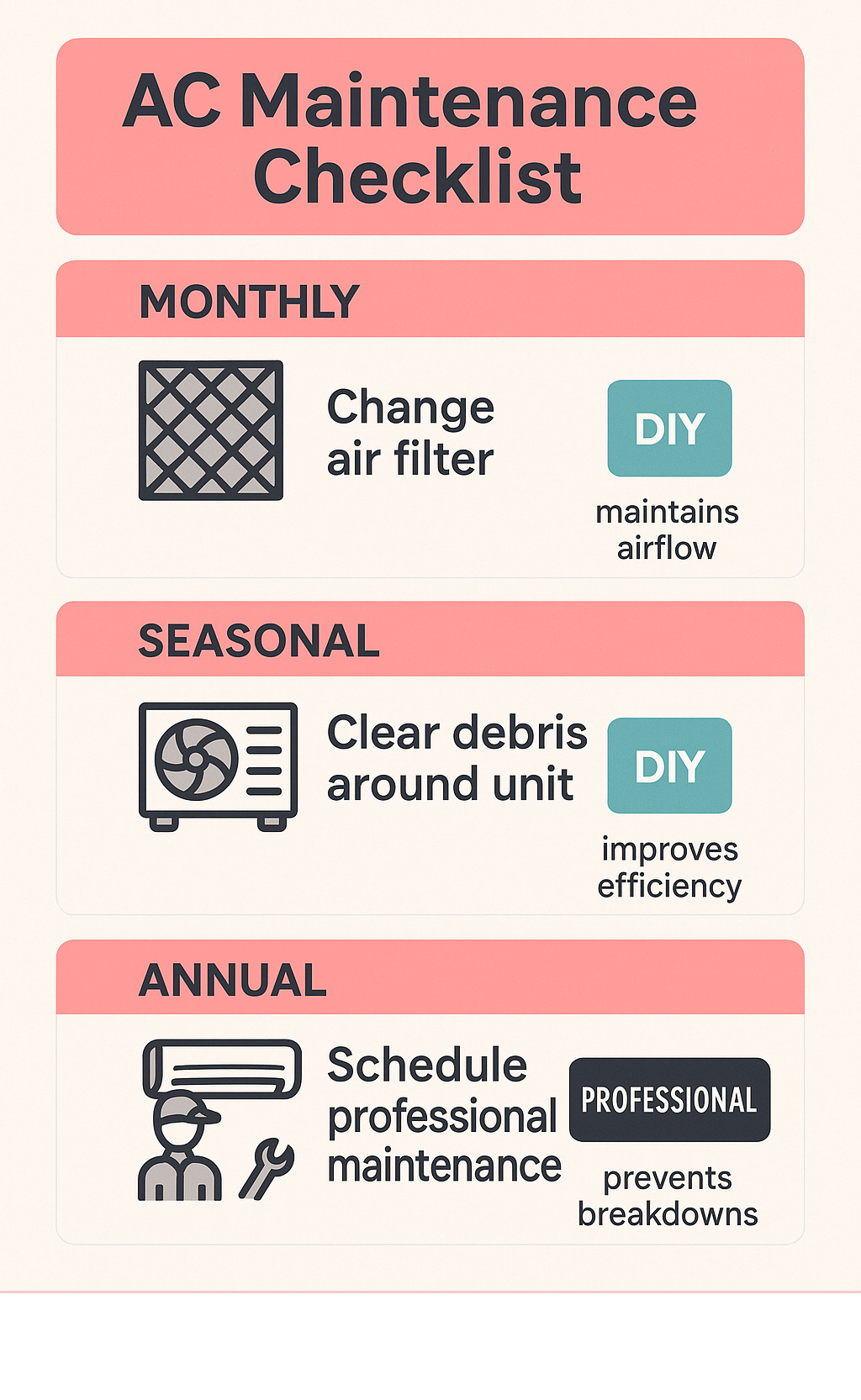
Ac maintenance word roundup:
Why Regular Maintenance Matters
Regular AC maintenance isn’t just a good idea—it’s essential for keeping your home comfortable and your wallet happy. Think of it as giving your cooling system the same care you’d give your own health. You wouldn’t skip yearly check-ups and expect to stay in perfect health, right?
The numbers don’t lie. According to the U.S. Department of Energy, consistent maintenance can slash your energy costs by an impressive 5% to 40%, depending on your system. That’s money staying in your pocket every single month just for taking care of your equipment.
When you commit to regular AC maintenance, you’re investing in so much more than just cool air. You’re ensuring improved energy efficiency so your system doesn’t have to work overtime (and run up your electric bill). You’re guaranteeing an extended system lifespan—potentially adding years to your AC’s life.
Beyond the financial benefits, maintenance delivers improved indoor air quality for your family to breathe easier. Many homeowners don’t realize that warranty protection often depends on proving you’ve maintained your system annually. With regular check-ups, you’ll enjoy reduced repair costs by catching small issues before they become expensive emergencies.
The comfort factor can’t be overlooked either. A well-maintained system provides consistent cooling throughout your home, even during those brutal St. Louis summer heatwaves. There’s also the satisfaction of knowing you’re making an environmentally responsible choice by keeping your system running efficiently. Perhaps most importantly, professional inspections ensure safety for your household by identifying potential hazards before they become dangerous.
As the Department of Energy plainly states, “Neglecting necessary maintenance ensures a steady decline in air conditioning performance while energy use steadily increases.” After 50+ years of serving St. Louis, St. Charles, and Warren County families, we at AAA Home Services have seen this play out countless times.
Costly Consequences of Neglect
When homeowners put off AC maintenance, they often don’t see the expensive domino effect until it’s too late.
Your energy bills climb higher with each passing month of neglect. Did you know a typical home loses 20%–30% of conditioned air through leaks, holes, and poorly connected ducts? Add dirty coils and clogged filters to that equation, and your system is working harder than a marathon runner in the Sahara—all while draining your bank account.
Premature system failure is perhaps the most expensive consequence. With proper care, your air conditioner should faithfully serve you for 15-20 years. Without it? That lifespan can be cut in half or worse. When you consider the substantial investment a new system requires, the modest cost of maintenance suddenly looks like the bargain of the century.
Many homeowners don’t realize that manufacturer warranties become void without documentation of professional maintenance. That means when something breaks, you’re facing the full repair cost for issues that would otherwise be covered.
Beyond the financial impact, neglect creates an uncomfortable home environment with inconsistent cooling, humidity problems, and potential air quality issues that affect your family’s comfort and health.
And let’s talk about timing—air conditioners seem to have a sixth sense for breaking down during the hottest day of summer, exactly when you need them most. Regular maintenance dramatically reduces these panic-inducing failures when repair technicians are already stretched thin.
In our five decades of cooling St. Louis homes, we’ve witnessed countless minor maintenance issues snowball into complete system failures—almost always during the season’s most sweltering heat waves. A small investment in preventative care today saves both money and comfort tomorrow.
Biggest AC Maintenance Mistakes New Homeowners Make
Even well-intentioned homeowners can fall into maintenance traps that end up costing them in comfort, efficiency, and repairs. Here are the most common AC maintenance mistakes we encounter:
Clogged Filters
This is by far the most common mistake. Dirty filters restrict airflow, forcing your system to work harder while delivering less cooling. This not only increases energy consumption but can lead to frozen evaporator coils and compressor damage.
The EPA recommends checking your filter every month during heavy use periods and changing it at least every three months. If you have pets or allergies, you’ll likely need to change it more frequently.
Skipped Tune-Ups
Many homeowners only call for service when something breaks. By then, the damage is done. Annual professional tune-ups can identify and fix small issues before they become expensive problems. They’re like dental check-ups—preventive care that saves you from painful (and costly) emergencies later.
Blocked Condenser Airflow
Your outdoor condenser unit needs room to breathe. We often find units surrounded by overgrown shrubs, debris, or placed too close to walls. Your condenser needs at least 2 feet of clearance on all sides for proper airflow. Without it, the system can’t efficiently release heat, leading to reduced cooling capacity and premature wear.
DIY Coil Pressure-Washing
The fragile aluminum fins on your condenser coil can be easily damaged by high-pressure water. We’ve seen well-meaning homeowners destroy these fins with pressure washers, severely restricting airflow and heat transfer. Proper coil cleaning requires specific techniques and sometimes specialized cleaning solutions that won’t damage the system.
Ignoring Refrigerant Leaks
Small refrigerant leaks can go unnoticed for months but cause your system to work harder while providing less cooling. Additionally, handling refrigerant requires EPA certification and specialized equipment—it’s not a DIY job. Low refrigerant levels can cause compressor damage, one of the most expensive AC repairs.
Thermostat Mis-calibration
An improperly calibrated thermostat can cause your system to run too long, short cycle, or fail to maintain comfortable temperatures. Many homeowners don’t realize that thermostats need occasional calibration, especially older models.
Forgetting Condensate Drain
The condensate drain line removes moisture collected during the cooling process. When this line clogs with algae, mold, or debris, water can back up into your home, causing damage to ceilings, walls, and floors. We’ve seen simple drain clogs lead to thousands in water damage repairs.
AC Maintenance vs. AC Tune-Up
These terms are often used interchangeably, but there are important distinctions:
AC Maintenance generally refers to ongoing care that includes both homeowner tasks (like changing filters) and professional services. It’s the comprehensive approach to system care throughout the year.
AC Tune-Up specifically refers to the professional inspection and servicing performed by a trained technician. It’s a more thorough process that includes checking refrigerant levels, testing electrical components, inspecting the entire system, and making necessary adjustments.
While there’s some overlap, think of maintenance as the ongoing process and a tune-up as the annual professional service that’s part of that process. Both are essential for optimal system performance.
Learn more about our maintenance services
Skipping Filter Changes
This common oversight deserves special attention because it’s both the easiest maintenance task to perform and the most frequently neglected.
Your air filter has a critical job: it traps dust, pollen, pet dander, and other airborne particles before they enter your system. When the filter becomes clogged, several problems occur:
- Reduced Airflow: Your system has to work harder to pull air through the clogged filter
- Decreased Efficiency: This extra work can increase energy consumption by up to 15%
- Frozen Evaporator Coil: Restricted airflow can cause moisture to freeze on the coil
- Compressor Damage: In severe cases, the strain can lead to compressor failure
- Poor Indoor Air Quality: Dirty filters can’t effectively remove airborne particles
For standard 1-inch filters, replacement every 30 days is recommended. Thicker media filters (3-5 inches) may last 3-6 months. Factors that require more frequent changes include:
- Pets in the home
- Family members with allergies or respiratory conditions
- Construction or renovation work
- High outdoor pollution levels
- Running the system constantly
When selecting filters, consider the MERV (Minimum Efficiency Reporting Value) rating. Higher MERV ratings (8-13) catch smaller particles but may restrict airflow in systems not designed for them. Always follow your system manufacturer’s recommendations.
Check out our guide on changing home air filters
Power-Washing Coils
The condenser coils on your outdoor unit are designed to release heat from your home to the outside air. They’re made of copper tubing surrounded by aluminum fins that maximize surface area for heat transfer. These fins are extremely thin and easily damaged.
Using a pressure washer on these coils is like using a fire hose to wash your car—far too powerful and likely to cause damage. The high-pressure water can bend or crush the aluminum fins, severely restricting airflow and heat transfer capacity.
Proper coil cleaning involves:
- Turning off power to the unit
- Gently removing debris with a soft brush
- Using a garden hose with moderate pressure (never a pressure washer)
- Applying manufacturer-approved coil cleaner when necessary
- Rinsing gently from the inside out
This is a task best left to professionals who have the proper tools and techniques to clean without damaging. Our AAA Home Services technicians are trained to clean coils effectively while preserving their integrity.
Blocking Outdoor Unit
Your condenser unit needs proper airflow to function efficiently. We recommend maintaining at least 2 feet of clearance on all sides and 5 feet of clearance above the unit.
Common obstructions we find include:
- Overgrown shrubs and plants
- Fences installed too close to the unit
- Decks built over or around units
- Stored items like lawn furniture or grills
- Debris like leaves, grass clippings, or trash
When planning landscaping around your AC unit, choose plants that won’t drop excessive leaves or debris. Trim existing vegetation regularly to maintain proper clearance. While you might want to hide your AC unit for aesthetic reasons, restricting its airflow will cost you in performance and potentially lead to system failure.
DIY Refrigerant Fixes
Refrigerant is the lifeblood of your air conditioning system, and handling it requires specialized training, certification, and equipment. The Environmental Protection Agency (EPA) strictly regulates refrigerant handling due to its potential environmental impact and safety concerns.
Common dangerous DIY refrigerant mistakes include:
- Purchasing “recharge kits” online or at hardware stores
- Adding refrigerant without finding and fixing leaks
- Mixing different types of refrigerants
- Improper disposal of refrigerant
These actions can:
- Damage your system
- Void your warranty
- Result in legal penalties (refrigerant handling without certification is illegal)
- Create safety hazards
If your system isn’t cooling properly, refrigerant issues might be the cause—but so could dozens of other problems. A professional diagnosis is essential. Our AAA Home Services technicians are EPA-certified and equipped to safely handle refrigerant issues, identify leaks, and make proper repairs.
Forgetting Winter Prep
Preparing your air conditioner for the off-season is often overlooked but important for protecting your investment.
For standard central air conditioners:
- Clear debris from around the unit
- Gently clean the exterior
- Consider covering the top of the unit with a proper AC cover (not plastic wrap that can trap moisture)
- Turn off the disconnect switch if you won’t be using the unit
For heat pumps (which work year-round):
- Do NOT cover the unit as it needs to operate during winter
- Keep the area clear of snow and ice
- Ensure nothing blocks airflow around the unit
For window units:
- Remove them completely if possible
- If removal isn’t practical, use an insulated cover designed for window units
- Seal any gaps around the unit to prevent cold air infiltration
Proper winter preparation helps prevent corrosion, keeps debris from settling inside the unit, and ensures your system is ready when warm weather returns.
How to Avoid (and Fix) These AC Maintenance Mistakes
Now that we’ve identified the most common AC maintenance mistakes, let’s talk about practical solutions to avoid them—and what to do if you’ve already made them.
The good news? Most maintenance issues have straightforward fixes, and creating a simple routine can prevent most problems before they start.
Professional Tune-Up Checklist
When our AAA Home Services technicians perform a comprehensive AC maintenance tune-up, we follow a detailed process that addresses all the critical components of your system.
We start with a thorough inspection of your entire system, carefully examining components for wear and potential issues. Our technicians then properly clean both the evaporator and condenser coils—using techniques that protect those delicate fins we mentioned earlier.
We test all electrical connections and safety devices to ensure everything’s working properly and safely. Your refrigerant levels are checked and any potential leaks identified. The blower assembly gets cleaned, adjusted, and lubricated to ensure proper airflow throughout your home.
We don’t forget about the condensate system either—our techs clean the drain line and verify the condensate pump is working correctly. Your thermostat gets calibrated for accurate temperature control, and we’ll replace your filter if you provide one.
Before we finish, we conduct airflow testing to verify proper distribution and run your system through a complete cycle to confirm everything’s operating as it should.
This comprehensive approach not only prevents the mistakes we’ve discussed but catches other potential issues before they become expensive problems.
DIY vs. Professional Tasks
While some maintenance tasks are perfect for homeowners, others require professional expertise. Here’s a practical breakdown:
| Maintenance Task | DIY Appropriate? | Professional Service |
|---|---|---|
| Filter Changes | ✓ | ✓ |
| Clearing Debris Around Unit | ✓ | ✓ |
| Thermostat Battery Replacement | ✓ | ✓ |
| Condensate Drain Cleaning | With caution | ✓ |
| Coil Cleaning | Not recommended | ✓ |
| Refrigerant Checks | No | ✓ |
| Electrical Component Testing | No | ✓ |
| Fan/Motor Lubrication | No | ✓ |
| Duct Inspection/Sealing | No | ✓ |
| System Performance Testing | No | ✓ |
This isn’t about limiting what you can do—it’s about protecting your investment and your safety. Some tasks simply require specialized training and equipment to perform correctly.
Learn more about tuning your system
Scheduling AC Maintenance: How Often Is “Regular”?
One of the most common questions we hear is: “How often should I really schedule AC maintenance?”
For most St. Louis area homes, an annual professional tune-up in early spring (March-April) is ideal. This timing ensures your system is ready for summer and allows time for any necessary repairs before the heat hits.
If your system is older or has had issues in the past, consider adding a fall inspection, especially if the same system handles both heating and cooling. This extra check can catch wear and tear that occurred during the demanding summer months.
Some households benefit from more frequent professional service, including:
- Homes with multiple pets that generate more fur and dander
- Families with allergy or asthma sufferers who need optimal indoor air quality
- Systems over 10 years old that require closer monitoring
- Homes where the AC runs almost constantly during summer months
- Properties in high-dust or high-pollen areas where filters clog more quickly
At AAA Home Services, our maintenance plans take the guesswork out of scheduling. We’ll send timely reminders when service is due, ensuring your system gets the care it needs when it needs it.
Simple DIY Tasks You CAN Do Safely
You don’t need to be a certified technician to perform some important AC maintenance tasks. In fact, these simple homeowner tasks complement professional service and help keep your system running efficiently between visits:
Filter replacement is your most important DIY task. Mark your calendar to check your filter monthly and replace it when it appears dirty. This simple habit can prevent many common AC problems and improve your indoor air quality.
Keeping the outdoor unit clear is another easy win. Regularly remove leaves, grass clippings, and other debris from around your condenser unit. Trim back plants to maintain that critical 2-foot clearance zone we mentioned earlier.
Replacing thermostat batteries annually prevents unexpected system shutdowns. Many homeowners find their “broken” AC just needed fresh batteries in the thermostat—a simple fix that prevents unnecessary service calls.
Visual inspections can catch problems early. Occasionally check for water around your indoor unit, ice on refrigerant lines, or unusual noises. If you spot these issues, it’s time to call a professional before they worsen.
Keeping vents clear ensures proper airflow. Make sure furniture, drapes, or rugs aren’t blocking supply or return vents. This simple step helps your system work more efficiently and prevents uneven cooling.
When to Call a Licensed Technician
While DIY maintenance has its place, certain situations always warrant professional attention from a licensed HVAC technician:
Coil cleaning requires expertise. The delicate aluminum fins on your evaporator and condenser coils can be easily damaged without proper techniques and cleaning solutions. Our technicians know exactly how to clean these components without causing harm.
Electrical issues should never be a DIY project. If your system is tripping circuit breakers, making buzzing sounds, or emitting burning odors, call a professional immediately. Electrical problems can pose serious safety hazards.
Refrigerant concerns require EPA certification to address legally. If you suspect a refrigerant leak—indicated by reduced cooling, ice on refrigerant lines, or hissing sounds—professional help is necessary. Not only is handling refrigerant without certification illegal, but it’s also dangerous.
Unusual noises tell a story about your system’s health. Grinding, squealing, or banging sounds indicate mechanical problems that need expert diagnosis. Ignoring these warning signs often leads to more extensive damage.
Water leaks might seem minor but can cause major damage. While a slightly clogged condensate drain might be addressable with DIY methods, persistent leaks require professional attention to prevent water damage to your home.
No cooling situations need expert diagnosis. If your system runs but doesn’t cool, or doesn’t run at all, there could be dozens of potential causes. Professional technicians have the diagnostic tools and experience to identify the real problem quickly.
At AAA Home Services, our technicians arrive with the knowledge, tools, and parts to resolve these issues efficiently. We can often offer same-day or next-day service availability, getting your comfort restored quickly when problems arise.
Choosing the Right HVAC Professional
Selecting a qualified professional for your AC maintenance is crucial for ensuring the job is done correctly and safely.
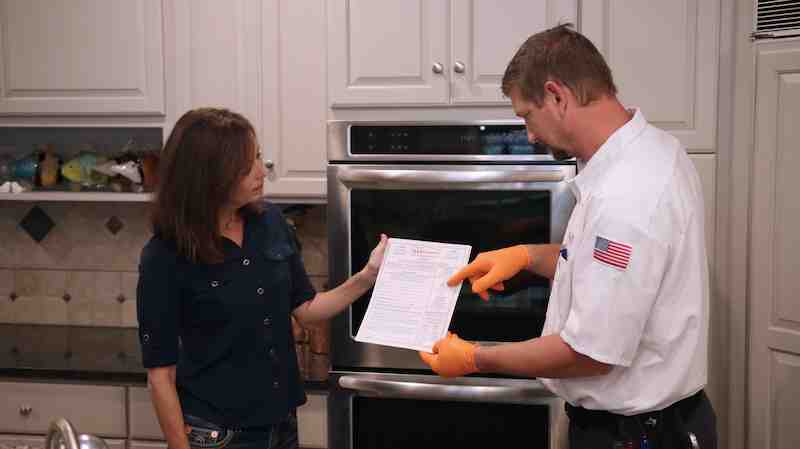
When I first bought my home, I made the mistake of hiring the cheapest technician I could find. The result? A botched maintenance job that led to a complete system breakdown just weeks later during a St. Louis heatwave. That expensive lesson taught me that choosing the right professional matters tremendously.
What to Look For:
The difference between mediocre and excellent AC maintenance often comes down to who’s performing the service. When selecting a technician, prioritize proper licensing and certification. Any technician handling refrigerants must have EPA certification—it’s not just about quality, it’s the law.
Experience and reputation speak volumes in this industry. At AAA Home Services, our 50+ years of experience and over 8,000 Google reviews reflect our commitment to exceptional service. These aren’t just numbers—they represent thousands of St. Louis families we’ve helped stay comfortable through blistering summers and chilly winters.
Having local expertise makes a significant difference too. A technician familiar with St. Louis’s specific climate challenges understands the unique demands placed on your system during our humid summers and variable springs. Our technicians live and work in the communities we serve, giving them insights that out-of-town companies simply can’t match.
Look for professionals who provide comprehensive service. The best technicians don’t just fix what’s broken—they examine your entire system to prevent future issues. This holistic approach saves you money and frustration in the long run.
Make sure your chosen provider follows manufacturer guidelines to maintain warranty compliance. Many homeowners don’t realize that improper maintenance can void expensive equipment warranties. Our technicians are trained in manufacturer-specific protocols to protect your investment.
When your AC isn’t working properly, availability matters. Look for providers who can often offer same-day or next-day service. At AAA Home Services, we understand that cooling issues rarely happen at convenient times, which is why we prioritize responsive service.
Finally, clear communication sets great professionals apart. Quality technicians explain issues in plain language and provide upfront information about what your system needs—no technical jargon or confusing explanations.
According to Energy Star, “Sealing and insulating ducts can improve the efficiency of your heating and cooling system by as much as 20 percent — and sometimes much more.” A qualified professional can identify these efficiency opportunities during routine maintenance visits, potentially saving you hundreds on energy bills.
Questions to Ask Before You Book
Before scheduling your next AC maintenance appointment, arm yourself with these important questions:
“What’s included in your maintenance service?” The answer should reveal a comprehensive checklist covering all major components, not just a quick filter change and visual inspection.
“Are your technicians licensed and EPA-certified?” This isn’t just about credentials—it’s about safety and legal compliance, especially when handling refrigerants.
“How long has your company been in business?” Longevity often indicates reliability and customer satisfaction. When a company has served a community for decades, like AAA Home Services has in St. Louis, it’s usually because they’re doing something right.
“Do you offer maintenance plans?” These typically provide better value and priority service when you need it most. Many of our longest-standing customers appreciate the peace of mind our Service Club membership provides.
“Will the same technician service my system each time?” Consistency helps with tracking your system’s history and building a relationship with someone who knows your equipment’s quirks.
“Do you provide a written report of findings and recommendations?” Documentation helps you track your system’s health over time and plan for future needs.
“Will you honor my manufacturer’s warranty requirements?” This simple question can save you thousands if you ever need to make a warranty claim.
“What additional costs might arise during maintenance?” Transparent pricing prevents unpleasant surprises.
At AAA Home Services, we welcome these questions and any others you might have. We believe informed customers make better decisions about their home comfort systems, and we’re always happy to take the time to ensure you understand exactly what your system needs and why.
Frequently Asked Questions about AC Maintenance
How do I know my AC needs maintenance?
Your air conditioner often sends clear signals when it needs professional attention. If you’ve noticed your home isn’t cooling like it used to, or your energy bills are creeping up without explanation, these are classic signs your system is crying out for maintenance.
Unusual noises like grinding, squealing, or banging should never be ignored – your AC shouldn’t sound like it’s performing a drum solo! Frequent cycling (turning on and off repeatedly) is another red flag that something’s not quite right.
Many homeowners also notice uneven cooling throughout their home, with some rooms feeling like the Sahara while others are perfectly comfortable. If you detect musty or burning odors when your system runs, or spot water leaking around your indoor unit, it’s definitely time to call in the professionals.
Age is also a factor – systems over 10 years old typically benefit from more frequent check-ups, much like we humans need more regular doctor visits as we age.
Even without these warning signs, annual AC maintenance is still recommended. Think of it as preventive medicine that keeps small issues from becoming expensive emergencies during the hottest days of summer.
Can dirty filters really damage my system?
They absolutely can! Dirty filters are the silent system killers that many homeowners underestimate. When your filter becomes clogged, it creates a cascade of problems throughout your entire cooling system.
First, reduced airflow forces your system to work much harder to circulate air throughout your home. This strain can lead to a frozen evaporator coil as restricted airflow causes moisture on the coil to freeze.
The Department of Energy has found that simply replacing a dirty filter with a clean one can lower your AC’s energy consumption by 5-15%. That’s a significant saving on your monthly utility bills just from a simple filter change!
Perhaps most concerning is the stress on your compressor – often called the heart of your air conditioning system. When the compressor fails due to this extra strain, you’re looking at one of the most expensive AC repairs possible. Some homeowners even end up replacing their entire system when this happens.
Beyond system damage, dirty filters can’t effectively trap airborne particles, leading to poorer indoor air quality for your family. The cumulative effect of all this strain can take years off your system’s operational life.
The good news? Filter replacement is one of the easiest and most cost-effective maintenance tasks you can perform. Regular changes can significantly extend your system’s life while maintaining peak efficiency.
Will regular AC maintenance keep my warranty active?
In most cases, yes – and this is something many homeowners don’t realize until it’s too late. Most manufacturers specifically require professional AC maintenance to keep warranties valid, and they have good reasons for this requirement.
Many warranties include documentation requirements where you need to provide proof of annual professional service. This isn’t just manufacturers being difficult – regular maintenance provides verification that you’ve properly cared for the equipment they’ve guaranteed.
Professional maintenance also ensures early problem detection, catching small issues before they cause major damage that could lead to expensive warranty claims.
It’s always important to check your specific warranty terms, but generally, skipping professional maintenance can void your warranty protection completely. This is especially crucial for newer, high-efficiency systems with longer warranty periods – the very systems where warranty coverage is most valuable.
At AAA Home Services, we provide detailed service records after each maintenance visit that satisfy manufacturer warranty requirements. This documentation gives you peace of mind that your investment remains protected while ensuring your system runs at peak efficiency throughout our hot St. Louis summers.
Conclusion & Next Steps
Taking care of your air conditioner isn’t just another item on your home maintenance checklist—it’s an investment in your comfort, your wallet, and your peace of mind. Proper AC maintenance helps ensure those sweltering St. Louis summer days remain enjoyable inside your home, rather than becoming an uncomfortable reminder of neglected upkeep.
Throughout this guide, we’ve explored why maintenance matters so much. Your cooling system works incredibly hard during our Missouri summers, and like any hardworking machine, it needs regular care to perform at its best. By avoiding the common mistakes we’ve discussed—from the simple act of changing filters regularly to keeping your outdoor unit free from obstruction—you’re not just preventing problems; you’re actively extending the life of your system.
While some maintenance tasks are perfectly suitable for homeowners (like replacing filters and keeping debris away from your outdoor unit), others require the trained eye and skilled hands of a professional. Knowing the difference is key to keeping your system running smoothly without inadvertently causing damage.
When it comes time to call in the experts, choosing the right professional makes all the difference. At AAA Home Services, we’ve been keeping St. Louis area homes comfortable for over five decades. Our technicians understand the unique challenges our local climate presents, and they bring that knowledge to every AC maintenance visit.
Don’t wait until you’re feeling uncomfortably warm in your own home to think about your air conditioner. Preventive care is always more affordable and convenient than emergency repairs. Schedule your professional maintenance before the heat hits, and enjoy the confidence that comes with knowing your system is ready to perform when you need it most.
The small steps you take today—changing that filter, scheduling that tune-up, clearing those plants away from your condenser—will pay dividends in efficient operation, lower energy bills, and a longer-lasting system. When it comes to AC maintenance, the old adage really is true: an ounce of prevention is worth a pound of cure.
Ready to give your cooling system the care it deserves? Our team at AAA Home Services is here to help with expert AC maintenance that keeps your home comfortable all season long.


