



When Your AC Stops Working: Quick Solutions for a Cool Home
If you need an ac unit fix fast, here’s what to check first:
- Thermostat settings – Ensure it’s set to “Cool” and temperature is below room temperature
- Circuit breaker – Check if it’s tripped and reset if necessary
- Air filter – Replace if dirty (should be done every 1-3 months)
- Outdoor unit – Clear debris and ensure nothing blocks airflow
- Condensate drain – Check for clogs or overflow
When your home air conditioner stops cooling on a hot summer day, few household problems feel more urgent. An ac unit fix becomes your top priority as indoor temperatures climb and comfort disappears. Whether your system won’t turn on, blows warm air, or makes strange noises, understanding the basics can help you communicate the problem clearly when seeking professional help.
Most air conditioner problems stem from a handful of common issues. Dirty filters restrict airflow and force your system to work harder. Electrical problems like tripped breakers or failed capacitors prevent startup. Refrigerant leaks reduce cooling capacity and can damage your compressor. Drainage problems trigger safety shutoffs. While some basic checks are safe for homeowners, most repairs require professional attention to avoid further damage.
I’m Dan W, with extensive experience managing home repair services and AC technicians who perform professional ac unit fix solutions across thousands of residential systems. I’ve helped countless homeowners diagnose problems and get their cooling systems back online quickly and safely.
Ac unit fix terms simplified:
How a Home AC Works & Why It Stops Cooling
Ever wondered what’s happening inside that big box outside your home when you adjust your thermostat? Your air conditioner isn’t just blowing cool air—it’s performing a fascinating heat transfer process that keeps your home comfortable.
When you set your thermostat to “cool,” you’re starting a chain reaction. Your thermostat sends a signal that activates your system, and the indoor air handler begins drawing warm air from your home through return vents. This warm air passes over the cold evaporator coil, where the real magic happens—refrigerant inside the coil absorbs heat from your air, cooling it down before it’s blown back into your living spaces.
Meanwhile, that absorbed heat doesn’t just disappear. The refrigerant carries it to your outdoor unit, where the condenser and fan work together to release the heat into the outside air. This cycle repeats until your home reaches your desired temperature.
According to research from the U.S. Department of Energy, this refrigeration cycle relies on the physical properties of refrigerant as it changes phases. When refrigerant evaporates from liquid to gas, it absorbs heat; when it condenses back to liquid, it releases heat—this clever phase-change process is what makes modern air conditioning possible.
When your AC stops cooling properly, the culprit is usually one of these common issues:
Airflow problems often start with dirty filters that restrict air movement, making your system work harder while delivering less comfort. Refrigerant leaks reduce your system’s ability to absorb heat, leading to weak cooling and potential compressor damage. Electrical failures can prevent components from starting or running correctly, while thermostat malfunctions might mean your system doesn’t get the right signals to operate. Even drainage issues can cause problems—condensate backups can trigger safety switches that shut down your system to prevent water damage.
Key Components Every Homeowner Should Know
When your ac unit fix technician arrives, they’ll likely mention these critical parts:
The compressor serves as the heart of your cooling system, pressurizing refrigerant and pumping it throughout the system. When this vital component fails, it’s often one of the most expensive repairs—sometimes making system replacement the more economical option for older units.
Your outdoor condenser unit houses the coil where heat transfers from refrigerant to outside air. The large fan inside helps this process by moving air across the coil. When dirt builds up or the fan motor fails, heat can’t escape efficiently, and your home stays warm.
Inside your home, the evaporator coil absorbs heat from your indoor air. This component is particularly sensitive to dirt buildup and can even freeze over if airflow is restricted or refrigerant is low.
The blower motor powers the fan that moves air across the evaporator and through your ductwork. Without this crucial component working properly, even a perfectly functioning cooling system can’t distribute cool air throughout your home.
Top 5 Failure Points
After thousands of service calls across St. Louis and St. Charles counties, our technicians have identified these common ac unit fix issues:
Capacitor failure often leaves homeowners puzzled when their AC hums but won’t start. These electrical components provide the boost needed to start motors, and they’re vulnerable to heat, age, and power fluctuations. A failed capacitor typically requires professional replacement.
Contactor issues develop as this electrical switch ages. The contactor activates when your thermostat calls for cooling, but over time, it can become pitted or stuck, preventing normal operation of your system.
Drain line clogs develop gradually as algae, mold, or debris build up in the condensate drain. When water can’t escape, it triggers a safety switch that shuts down your system—a smart feature that prevents water damage but leaves you without cooling.
Thermostat problems sometimes masquerade as AC failures. Dead batteries, wiring issues, or calibration problems can all prevent your otherwise healthy system from operating correctly.
Dirty coils, whether on your condenser or evaporator, severely impact performance. When these critical heat-exchange surfaces can’t transfer heat efficiently, your system works harder, costs more to operate, and eventually fails prematurely.
Understanding these basics helps you communicate clearly with your technician and make informed decisions about your home comfort system. While DIY troubleshooting has its limits, knowing how your system works can help you catch problems early—when they’re typically less expensive to fix.
ac unit fix: First Checks Before You Call
Before reaching for the phone to call a professional, there are several simple troubleshooting steps you can safely take that might solve your cooling problem. These basic checks often resolve common issues and could save you time and frustration.
“ac unit fix” Basics You Can Safely Do
Your air filter is your cooling system’s first line of defense. A clogged filter is like trying to breathe through a thick blanket – it restricts airflow and forces your system to work overtime. Replacing dirty filters every 1-3 months is the single most important maintenance task you can handle yourself. If you have furry friends or suffer from allergies, consider monthly changes to keep air flowing freely.
Is your thermostat telling your AC what to do? Check your thermostat settings to ensure it’s set to “Cool” mode and the temperature is at least 5 degrees below the current room temperature. A blank display often signals dead batteries that need replacing. For programmable models, verify your schedule is correctly set – sometimes a simple programming error can leave you sweating.
When your AC refuses to power up, checking your circuit breakers should be your next step. Look for the breaker labeled “AC,” “HVAC,” or “Air Conditioner” in your electrical panel. If it’s tripped (in the middle position or feels loose), flip it completely off and then back on. But be warned – if it trips again immediately, stop and call a professional, as this signals a serious electrical issue that requires expert attention.
Your outdoor unit needs room to breathe. Clearing the area around your condenser (maintaining at least 2 feet of clearance) allows proper airflow and heat release. Remove leaves, grass clippings, and trim back any encroaching shrubs or plants that might be suffocating your system.
Finding ice buildup on refrigerant lines or the indoor coil? Turn off cooling at the thermostat but keep the fan running to allow the ice to melt naturally. This thawing process might take several hours, but it’s essential before attempting to run your system again. If ice quickly reforms after restarting, it’s time to call in the professionals.
| Safe DIY Tasks | Professional-Only Tasks |
|---|---|
| Replace air filters | Refrigerant handling |
| Reset circuit breakers (once) | Electrical component replacement |
| Replace thermostat batteries | Compressor service |
| Clear debris around outdoor unit | Coil cleaning or replacement |
| Check thermostat settings | Capacitor or contactor replacement |
| Turn system off if ice is present | Diagnosing refrigerant leaks |
When “ac unit fix” Requires a Pro Immediately
Some AC issues go beyond simple fixes and require immediate professional attention to prevent further damage or safety hazards.
Refrigerant leaks demand professional expertise. If you notice oil stains around your unit, hear hissing sounds, or your system runs constantly without properly cooling, you likely have a refrigerant issue. Not only is refrigerant harmful to the environment and potentially dangerous, but running a system low on this critical fluid can destroy your compressor – resulting in a much costlier repair bill. This is definitely a job for certified technicians.
When your circuit breaker trips repeatedly, it’s sending a clear warning signal. Multiple breaker trips indicate a serious electrical problem like a short circuit or a component drawing excessive power. Instead of continuing to reset the breaker, which could create a fire hazard, it’s time to call a professional to diagnose the underlying issue safely.
Your nose can often detect problems before they become catastrophic. Unusual odors like burning smells or musty scents coming from your AC could signal electrical issues or mold growth. If something smells off, turn off your system and have a professional inspect it promptly.
Is your AC making strange noises like grinding, squealing, or banging? These sounds typically indicate mechanical problems that need immediate attention. Continuing to run the system could cause further damage to expensive components.
Finding water leaking inside your home? While some condensation around an AC system is normal, significant water leakage indicates a clogged drain line, overflowing drain pan, or possibly a thawing evaporator coil. A professional can properly diagnose and fix these issues before water damage becomes extensive and costly.
More info about AC Maintenance & Tune-Up
Choosing the Right AC Unit Fix Near Me: What to Look For
When your AC breaks down in the sweltering St. Louis summer, finding a reliable repair service becomes your top priority. As you search for “ac unit fix near me,” you’ll want to make sure you’re choosing a company that will solve your problem correctly the first time around.

The first thing to check is proper licensing and insurance. Here in Missouri, HVAC technicians must be licensed—this isn’t just a formality, but your assurance that the person working on your expensive equipment has met state requirements for training and knowledge. Don’t hesitate to ask for their license number or verification. Proper insurance is equally important as it protects you if accidents happen during repairs.
Experience and reputation matter tremendously in the HVAC world. Companies with deep roots in the St. Louis area, like AAA Home Services with over 50 years of local service, bring invaluable knowledge about the specific cooling challenges our region faces. Take time to check Google reviews and ask neighbors who they trust with their AC repairs.
When temperatures are climbing, quick response time becomes crucial. Look for companies that can often provide same-day or next-day service, especially during those peak summer months when you need relief fast. The best companies understand that in extreme heat, AC repair isn’t just about comfort—it’s about safety.
Before any work begins, reputable companies provide detailed written estimates, explaining exactly what needs fixing and why. This transparency protects both you and the service provider from misunderstandings. Similarly, quality repairs should come with a warranty on both parts and labor. Always ask about warranty terms before scheduling service so you know you’re covered if something goes wrong after the repair.
The best HVAC companies offer transparent pricing without hidden fees. While quality parts and skilled labor aren’t cheap, you should never face surprise charges after the work is complete.
Red Flags When Googling “ac unit fix near me”
As you evaluate potential repair companies, watch out for warning signs that might indicate trouble ahead.
Be immediately cautious of companies that can’t or won’t provide license information. This isn’t a minor detail—it’s a fundamental requirement for legal operation in our state. Similarly, companies that give firm quotes over the phone without seeing your system are likely setting you up for additional charges later. Proper diagnosis requires a physical inspection of your equipment.
Verbal-only estimates leave too much room for miscommunication and unexpected price increases. Always insist on getting the scope of work and pricing in writing before work begins. And while everyone loves a bargain, unusually low prices often signal poor-quality parts or inexperienced technicians who may create bigger problems than they solve.
Be wary of technicians who use pressure tactics, creating artificial urgency or pushing you toward expensive replacements when repairs would suffice. A professional will educate you about your options and respect your decision-making process.
Established companies typically maintain a solid online presence with websites, social media profiles, and customer reviews. A company with little to no online footprint may not be around tomorrow if you need follow-up service.
Questions to Ask Before Scheduling
Before booking your ac unit fix, arm yourself with these important questions:
“Are your technicians NATE-certified?” This North American Technician Excellence certification indicates advanced training and expertise beyond basic licensing requirements.
“Do you have parts readily available?” Companies with well-stocked service vehicles can often complete repairs in a single visit, saving you time and discomfort.
“Can you provide same-day or next-day service?” In our St. Louis summer heat, waiting days for repairs isn’t just inconvenient—it can be downright dangerous for vulnerable family members.
“What type of warranty do you offer on repairs?” A quality company should stand behind their work with at least a one-year warranty on both parts and labor.
“Do you offer maintenance plans to prevent future breakdowns?” Regular maintenance can prevent many common AC problems and extend your system’s lifespan, saving you money in the long run.
“Will the technician explain the problem and repair options before proceeding?” Good technicians educate customers and provide options rather than simply presenting a bill after making decisions without your input.
Taking the time to ask these questions and evaluate responses can make the difference between a one-time fix and a lasting solution for your cooling needs.
More info about Air Conditioning Repair Service
What Happens During a Professional ac unit fix Visit
When you schedule an ac unit fix with a reputable company like AAA Home Services, here’s what you can expect during the service visit:
Step-by-Step Service Process
-
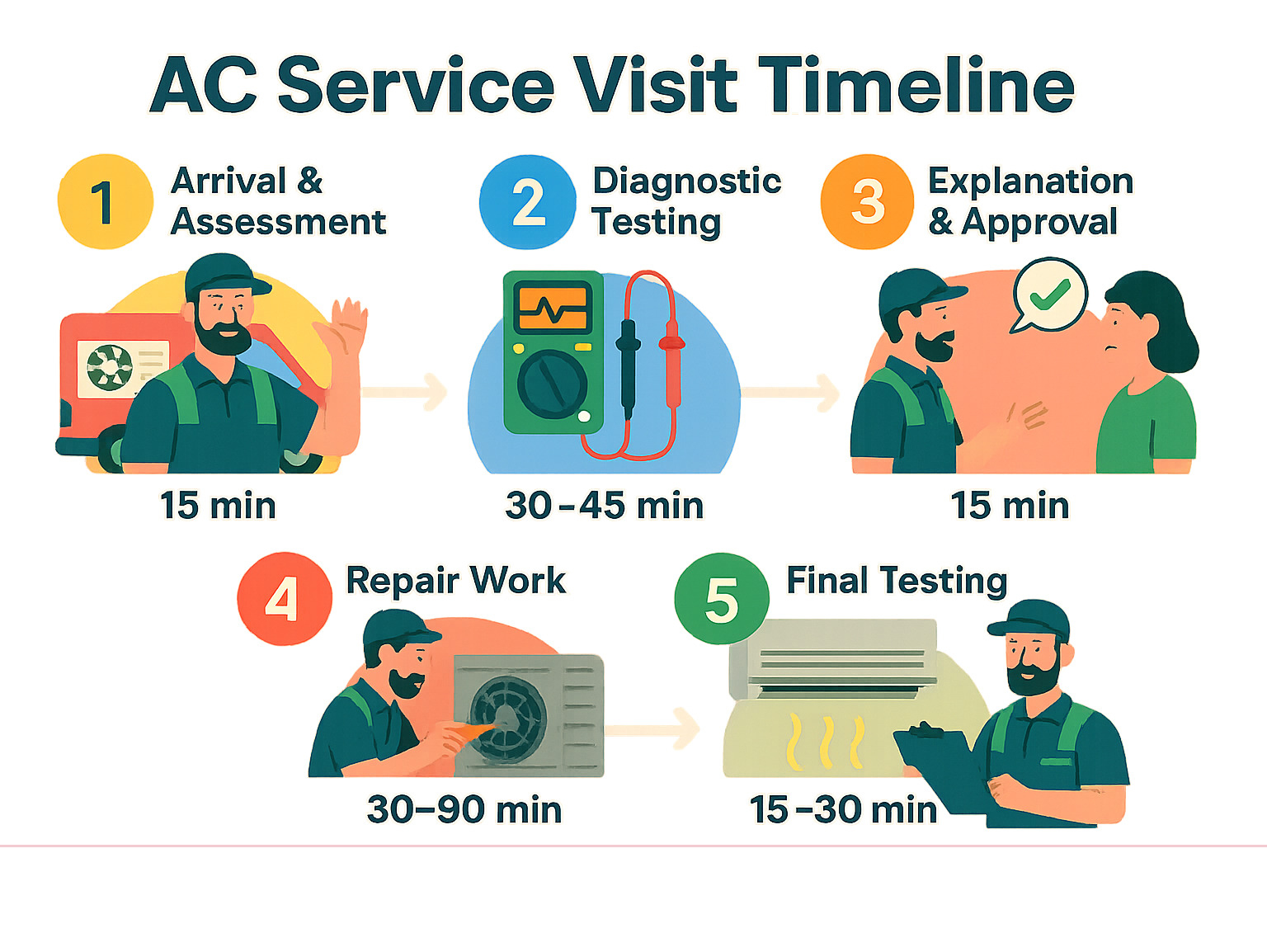
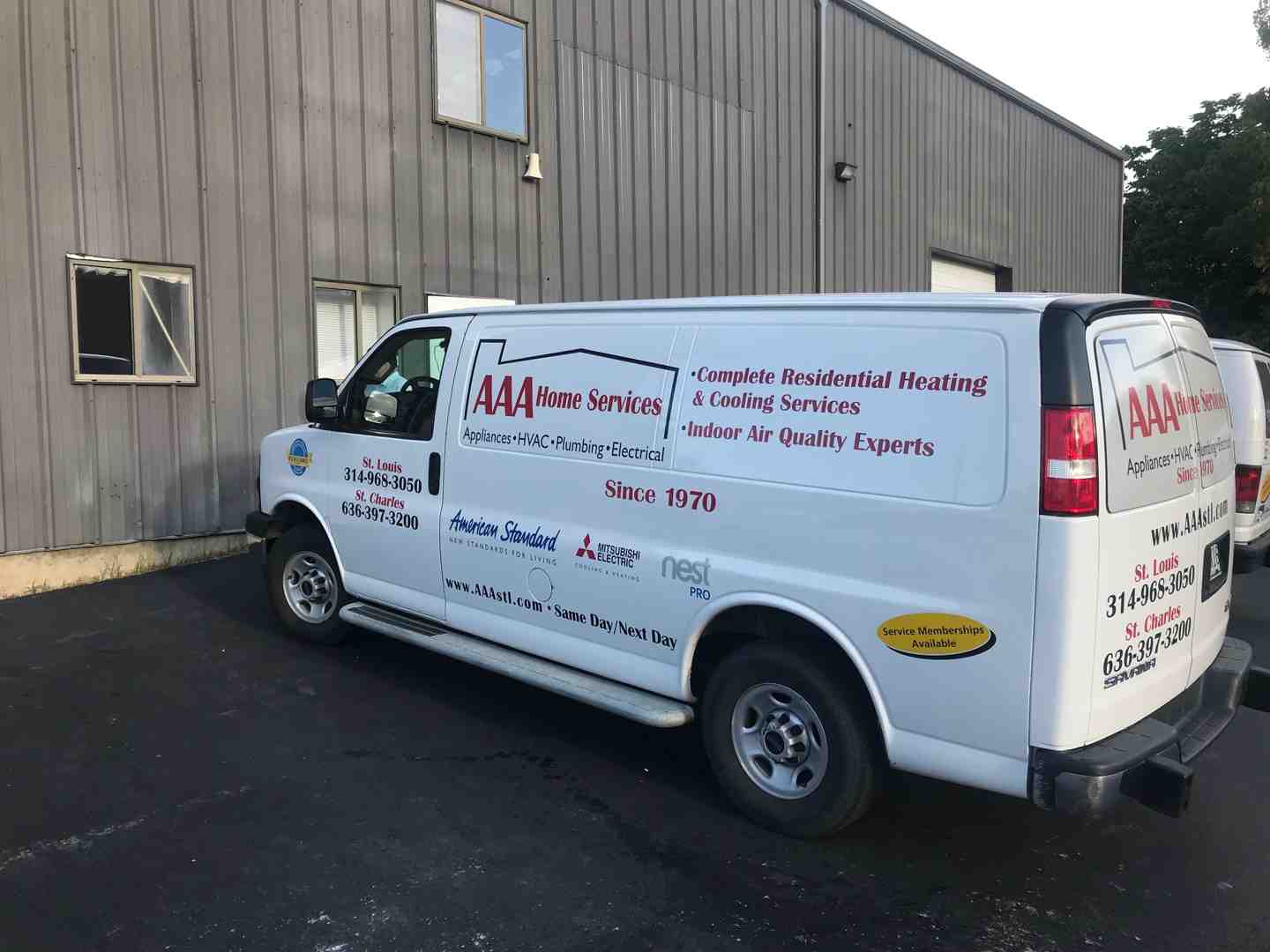
Arrival and Initial Assessment: The technician should arrive in a clearly marked vehicle, introduce themselves, and ask about the problems you’ve been experiencing. They’ll want to know when the issue started, any unusual noises or smells, and what troubleshooting steps you’ve already taken.
-
System Power-Down: Before beginning any inspection or repair, the technician will turn off power to the system at both the thermostat and circuit breaker for safety.
-
Diagnostic Testing: The technician will perform a series of tests to identify the root cause of the problem. This typically includes:
- Checking refrigerant pressure levels
- Testing electrical components with a multimeter
- Inspecting the condenser and evaporator coils
- Examining the blower motor and fan
- Checking the capacitor and contactor
- Testing the thermostat operation
-
Airflow Assessment: Proper airflow is critical for AC function, so the technician will check return and supply vents, measure temperature differentials, and inspect the blower assembly.
-
Explanation of Findings: A professional technician will explain what they’ve found in terms you can understand, showing you the problem when possible and explaining repair options.
-
Repair Process: Once you approve the repair plan, the technician will:
- Replace failed components
- Clean dirty coils if necessary
- Clear clogged drain lines
- Add refrigerant if needed (after finding and fixing any leaks)
- Test the system to ensure proper operation
-
Final Testing: After completing repairs, the technician will run the system to verify it’s working correctly, checking temperature differentials and system pressures.
-
Cleanup and Documentation: The work area should be left clean, and you should receive documentation of the repairs performed, parts replaced, and any warranty information.
Pro Tips to Prevent Repeat Breakdowns
Our technicians at AAA Home Services recommend these preventive measures to keep your AC running smoothly:
-
Monthly Filter Checks: Mark your calendar to check your air filter monthly during cooling season. Even if it doesn’t need changing every month, regular checks ensure you don’t forget this critical maintenance task.
-
Schedule Annual Tune-Ups: Professional maintenance before cooling season begins can identify potential problems before they cause breakdowns. During a tune-up, technicians will clean coils, check refrigerant levels, test electrical components, and ensure proper operation.
-
Keep the Condenser Area Clear: Maintain at least 2 feet of clearance around your outdoor unit year-round. In fall, be especially vigilant about clearing leaves and debris.
-
Install a Programmable Thermostat: Modern thermostats can reduce system wear by maintaining more consistent temperatures and reducing run time when you’re away.
-
Consider a Condensate Drain Treatment: Ask your technician about treatments that can prevent algae and mold growth in your condensate drain line, preventing clogs that lead to water damage and system shutdowns.
-
Keep Vents Open and Unobstructed: Contrary to popular belief, closing vents in unused rooms can actually increase pressure in your ductwork and reduce system efficiency. Keep all vents open and ensure furniture or drapes don’t block airflow.
According to scientific research, regular maintenance can extend the life of your air conditioning system by 3-5 years and prevent up to 80% of common breakdowns. Properly maintained systems also use 15-20% less energy than neglected systems, saving you money on utility bills.
Frequently Asked Questions About AC Repair (Residential)
Why is my AC running but not cooling rooms?
It’s one of the most frustrating summer experiences – your AC is humming away, but your home still feels like a sauna. This common problem usually comes down to a handful of culprits.
Most often, a dirty air filter is blocking proper airflow. Take a quick peek at your filter – if it looks like it’s covered in fuzzy gray carpet, that’s your first fix! Simply replacing this can sometimes solve the whole problem.
If your system is running low on refrigerant due to a leak, you’ll notice gradually declining cooling performance. This isn’t something you can top off yourself – refrigerant systems are sealed and require professional handling. Ac unit fix professionals have specialized equipment to detect leaks, repair them, and safely recharge your system.
Those outdoor and indoor coils can get pretty grimy over time. When dirt builds up on these critical surfaces, your system struggles to transfer heat properly. Think of it like wearing a heavy coat in summer – heat can’t escape efficiently.
Sometimes the issue is as simple as improper thermostat settings. Double-check that your thermostat is set to “Cool” (not “Fan” or “Heat”) and that your target temperature is at least 5 degrees below the current room temperature.
If your home has been renovated or you’ve added living space without upgrading your AC, your system might simply be too small for the area it’s trying to cool. And don’t forget to check that furniture or drapes aren’t blocking your vents, preventing that precious cool air from circulating.
Rather than continuing to run a struggling system (which can lead to more expensive problems), it’s best to have a professional diagnose persistent cooling issues. They can pinpoint exactly what’s wrong and recommend the right solution.
How often should I replace my HVAC air filter?
Filter replacement schedules aren’t one-size-fits-all – they depend on your specific situation. For standard 1-inch filters, the general rule is every 1-3 months. Higher-quality pleated filters might stretch to 3-6 months, though they cost more upfront.
If you share your home with furry friends, plan on monthly changes – pet hair and dander clog filters surprisingly quickly. The same goes if anyone in your home suffers from allergies or respiratory issues. For vacation homes that see limited use, quarterly checks should suffice.
The most reliable method? Visual inspection. If your once-white filter looks gray and you can’t see light through it when held up to a window, it’s time for a change regardless of how long it’s been installed. During our steamy St. Louis summers (especially June through September), check monthly since your system is working overtime.
One important caution: resist the temptation to install a filter with a higher filtration rating (MERV) than your system is designed for. While it might seem better to catch more particles, filters that are too restrictive can actually damage your system by making it work too hard to pull air through. Always use the filter size recommended by your system manufacturer, and chat with an ac unit fix professional before upgrading your filtration level.
Is it safe to keep running the AC if ice forms on the lines?
Absolutely not! If you spot ice on your refrigerant lines or indoor coil, turn off the cooling function immediately. Consider this frozen formation a giant red flag that something is seriously wrong. Continuing to run an icing system can lead to compressor damage – a repair that could cost thousands.
Ice typically forms because of one of four issues: restricted airflow (often from dirty filters), low refrigerant levels (indicating a leak), a failed blower motor that’s not moving air across the coil, or a stuck expansion valve disrupting refrigerant flow.
When you find ice on your system:
- Turn your thermostat to the OFF position
- Switch the fan setting to ON to help melt the ice faster
- Place towels under your indoor unit to catch the inevitable dripping
- Wait for complete melting (which might take several hours)
Once everything’s thawed, you can try running your system again if you’ve replaced a dirty filter. But if ice returns, it’s time to call in the professionals. This isn’t a DIY fix – proper ac unit fix requires specialized tools and training, especially when refrigerant issues are involved.
Your air conditioner is a significant investment in your home’s comfort. Protecting it with proper maintenance and timely professional repairs helps ensure it keeps you cool for many summers to come.
Conclusion & Fast Scheduling
When the summer heat hits and your cooling system fails, knowing what to do makes all the difference. While understanding the basics can help you communicate better with professionals and sometimes solve minor issues yourself, most ac unit fix situations simply require experienced technicians with the right tools and expertise.
Here in the St. Louis area, we’ve seen it all – from simple filter replacements to complex compressor failures. After serving St. Louis, St. Charles, and Warren County homes for over five decades, our team at AAA Home Services brings best experience to every repair call. Our NATE-certified technicians arrive in fully-stocked vehicles ready to diagnose and fix most problems in just one visit, often providing same-day or next-day service even during those sweltering July and August heat waves.
Before you schedule your next repair, remember these essential points:
Consistent maintenance prevents the majority of common AC breakdowns. Think of it like dental checkups – a little prevention saves a lot of trouble later. Changing your air filters regularly remains the single most important DIY task you can perform, while electrical components and refrigerant systems always require professional attention. With proper care, your cooling system should provide reliable comfort for 10-15 years.
When searching for an ac unit fix, prioritize experienced, licensed professionals who communicate clearly, provide written estimates before starting work, and stand behind their repairs with solid guarantees. Your family’s comfort is simply too important to entrust to anyone without proper qualifications and a proven track record.
For reliable, efficient air conditioning repair throughout the Greater St. Louis area, AAA Home Services brings the expertise you need. Backed by thousands of positive Google reviews and generations of experience, we focus on one simple goal: restoring your home’s comfort quickly and correctly the first time.


