


Understanding the True Investment of Home Rewiring
The cost of rewiring a house typically ranges from $2,000 to $20,000, with most homeowners paying around $10,000 for a complete rewire.
Key cost factors for home rewiring:
- Square footage: $2-$4 per square foot on average
- Home age: Older homes with outdated wiring cost more
- Labor: Represents 50-70% of total cost
- Materials: Accounts for 30-50% of total cost
- Accessibility: Limited access adds 20-30% to labor costs
- Panel upgrades: $1,500-$3,000 additional for 200 amp service
There’s a special charm to older homes, but with that charm often comes the challenge of outdated electrical systems that weren’t designed for today’s technology demands. The cost of rewiring a house involves more than just replacing old wires—it’s about creating a safe, efficient electrical system that meets modern needs and code requirements. Whether you’re experiencing flickering lights, frequent breaker trips, or simply own a home that’s more than 30 years old, understanding the full scope of rewiring costs helps you budget effectively and make informed decisions.
Many homeowners are surprised to learn that rewiring isn’t just about the wires themselves. It encompasses everything from planning and permits to panel upgrades and post-installation testing. And while the investment may seem significant upfront, it’s crucial for preventing the devastating consequences of electrical fires, which account for thousands of home fires annually.
I’m Dan W, with extensive experience managing home repair services and working directly with electricians who handle the cost of rewiring a house considerations daily for homeowners throughout the St. Louis area. Let me walk you through what you need to know about this essential home improvement project.
The True Cost of Rewiring a House in 2024-2025
When St. Louis homeowners call us about electrical rewiring, their first question is almost always about price. And that makes perfect sense – rewiring is a significant investment in your home’s safety and functionality.
The national average cost of rewiring a house currently sits around $10,000, though this figure can swing considerably in either direction. Most complete rewiring projects fall somewhere between $2,000 and $20,000, depending on your home’s specific characteristics and needs.
Breaking this down to a more practical metric, expect to invest between $2 and $4 per square foot for rewiring. This covers both labor and materials, with labor typically accounting for 50-70% of your total bill and materials making up the remaining 30-50%.
To give you a clearer picture of what to expect based on home size:
| House Size | Typical Rewiring Cost Range |
|---|---|
| Small (up to 1,500 sq ft) | $3,000 – $6,000 |
| Medium (1,500-3,000 sq ft) | $6,000 – $12,000 |
| Large (over 3,000 sq ft) | $12,000 – $20,000+ |
Beyond the basic rewiring work, several other expenses often enter the picture. You’ll likely need to budget for electrical panel upgrades ($1,500 to $3,000 for upgrading to a 200-amp service), permits ($75 to $1,000 depending on your St. Louis neighborhood), and inspections ($100 to $400). Don’t forget potential wall repairs – opening walls for access can bump up labor costs by 20-30%.
As one of our veteran electricians at AAA Home Services often says, “Most folks focus on the wires themselves but forget about the permits, inspections, and drywall work that comes with the territory.”
Average cost of rewiring a house per square foot
While the $2 to $4 per square foot estimate provides a useful starting point, several factors can push your project toward either end of this range.
Copper wiring remains the gold standard for residential electrical systems, though its price has fluctuated considerably in recent years. The specific type of wiring needed also affects your bottom line. Most homes use THHN/THWN-2 wire (about $0.80 to $1.60 per linear foot) for conduit applications or NM Cable (Romex) (roughly $0.40 to $0.80 per linear foot) for standard residential wiring. For outdoor applications, UF-B Cable typically runs around $0.50 to $0.75 per linear foot.
Regional labor rates significantly impact the cost of rewiring a house. Here in the St. Louis area, our electricians’ rates typically align with the national average of $50 to $100 per hour. That said, rates can trend higher in premium neighborhoods like Chesterfield and Town & Country compared to other parts of St. Louis County.
Partial vs full — cost of rewiring a house in specific scenarios
Not every home needs a complete rewire. Sometimes, updating the wiring in specific areas makes more sense both practically and financially. Here’s what you might expect for common partial rewiring projects:
Kitchen Rewiring: $1,000 to $3,400
Your kitchen is an electrical hotspot, requiring dedicated circuits for major appliances, GFCI outlets near water sources, and special circuits for power-hungry appliances like microwaves and refrigerators. The complexity of kitchen electrical needs explains the higher price point.
Bathroom Rewiring: $800 to $2,000
Bathrooms have unique electrical requirements due to water proximity. All outlets need GFCI protection, ventilation fans require proper wiring, and circuits must handle high-wattage items like hair dryers and curling irons.
Garage Rewiring: $1,000 to $2,500
Modern garages often serve as workshops, charging stations, and more. Your garage rewiring might include circuits for power tools, electric vehicle charging capabilities, and outdoor-rated wiring that can handle damp conditions.
Detached Buildings: $3 to $12 per linear foot plus excavation costs
Running power to detached structures involves underground feeder cable, trenching work, conduit installation, and often separate subpanels. Just last month, we helped a Kirkwood family rewire their detached garage for a new home workshop – they were surprised by how the necessary trenching work affected the final price.
At AAA Home Services, we pride ourselves on providing clear, upfront pricing for all rewiring projects. We understand it’s a significant investment in your home, and our experienced electricians are committed to helping you understand exactly what you’re paying for – no surprises, just honest work at fair prices.
Key Cost Drivers & Hidden Expenses
Understanding what drives the cost of rewiring a house helps homeowners prepare for this significant investment. Let’s explore the key factors that influence pricing and some often-overlooked expenses.
How house size and age shape the cost of rewiring a house
When I talk with St. Louis homeowners about rewiring projects, I always emphasize how their home’s unique characteristics impact the final price tag.
Square Footage naturally plays a major role – a sprawling 3,000 square foot home in Chesterfield will require significantly more wiring, outlets, and labor hours than a cozy 1,500 square foot bungalow in St. Charles. Each additional room means more circuits to plan and install, which adds to your bottom line.
The age of your home often tells us what kind of wiring challenges we’ll face:
If your charming century home still has knob-and-tube wiring (pre-11100s), you’re looking at a complete system overhaul. These outdated systems not only pose safety risks but also create accessibility headaches for electricians who need to thread new wires through finished walls. This complexity typically increases costs by 25-40% compared to homes with more modern wiring.
Homes built during the aluminum wiring era (1965-1973) present their own concerns. This material expands and contracts more than copper, creating loose connections and potential fire hazards over time. One of our Webster Groves customers finded this issue during a home inspection and told us, “I had no idea we were sitting on a potential fire hazard. Getting it replaced was worth every penny for our family’s safety.”
Even older copper wiring from before the 1980s might lack proper grounding or have insufficient capacity for today’s electricity demands. Modern homes use far more power than builders anticipated decades ago!
Wall construction makes a huge difference too. Those gorgeous plaster walls in historic St. Louis neighborhoods take more time and skill to work with than modern drywall. Our electricians take extra care when fishing wires through these surfaces, and repairs afterward require specialized skills that add to the overall project cost.
Additional costs most homeowners overlook
When budgeting for your rewiring project, it’s easy to focus just on the basic wiring costs. However, I’ve seen many homeowners caught off guard by these important additional expenses:
Modern electrical codes require GFCI and AFCI protection in specific areas of your home. These specialized outlets cost more than standard ones but provide crucial safety benefits in kitchens, bathrooms, outdoors, and other locations where moisture or fire risks exist.
Your home likely needs more outlets and switches than it currently has. Today’s electrical code typically requires outlets every 12 feet along walls – far more than what was standard in older homes. Each additional outlet adds to material and labor costs.
Many homeowners don’t consider surge protection in their initial budget. With the average home containing thousands of dollars in electronics and appliances, whole-house surge protection is a wise investment that adds a modest amount to your project total.
If you’re planning smart home integration with automated lighting, smart thermostats, or security systems, you might need additional wiring infrastructure to support these modern conveniences.
One expense that consistently surprises homeowners is the cost of drywall and paint restoration after rewiring. As our lead electrician often points out, “We typically need to create access points in walls to run new wiring, and patching those areas afterward is an essential part of the project that many people forget to budget for.”
Some older homes in the St. Louis area contain hazardous materials like asbestos or lead paint that require special handling during renovation work, potentially adding remediation costs.
If your rewiring project is extensive, you might even need temporary accommodations while your home’s power is disconnected, adding lodging expenses to your budget.
For most older homes, an electrical panel upgrade is necessary alongside rewiring to handle modern electrical demands. This significant component ensures your new wiring system can safely manage today’s power requirements. Learn more about electrical panel upgrades to understand if your home might need one.
At AAA Home Services, we provide detailed estimates that account for these potential additional costs, helping you avoid surprise expenses and plan your budget realistically. After all, when it comes to your home’s electrical system, cutting corners simply isn’t worth the risk.
The Rewiring Process: Timeline, Signs, and Safety Risks
When considering a home rewiring project, understanding the process involves more than just the cost of rewiring a house. Most complete rewiring projects take between 3-10 days, depending on your home’s size and complexity. The journey typically includes planning and securing permits, scheduled power shut-offs (usually done in phases to minimize disruption), and thorough post-installation testing to ensure everything meets National Electrical Code (NEC) compliance.
Telltale signs your home needs rewiring
Your home might be quietly telling you it’s time for new wiring. If you’ve noticed flickering or dimming lights when you run appliances, that’s not just an annoyance—it’s a warning. Similarly, frequently tripped breakers or blown fuses indicate your electrical system is struggling to meet demands.
“I thought it was normal to reset breakers whenever I used my microwave and coffee maker together,” one Kirkwood homeowner told us. “I had no idea it was my home’s way of crying for help!”
Other warning signals include buzzing sounds from outlets or switches, the presence of outdated two-prong outlets instead of grounded three-prong versions, or burning smells around electrical fixtures. If you ever feel mild shocks when touching appliances or notice outlet covers that feel warm to the touch, these are serious red flags that shouldn’t be ignored.
Homes built before 1990 that haven’t had electrical updates, or those with aluminum wiring (common in houses built between 1965-1973), are prime candidates for rewiring assessments. These older systems simply weren’t designed to handle today’s technology demands.
Safety risks of delaying a needed rewire
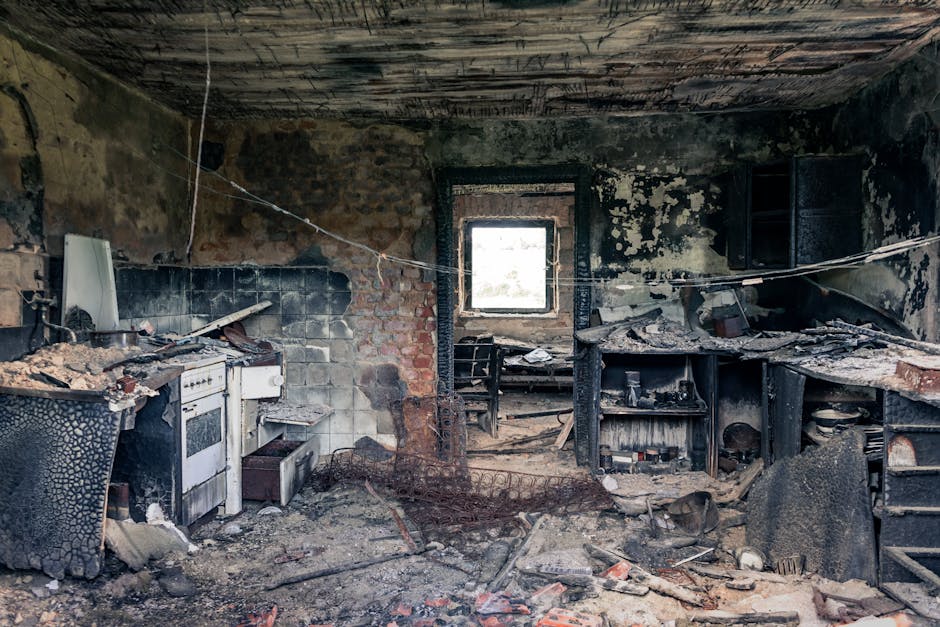
Postponing necessary rewiring isn’t just about inconvenience—it can have life-threatening consequences. According to research from the Electrical Safety Foundation International, electrical failures cause approximately 51,000 home fires annually, resulting in nearly 500 deaths and $1.3 billion in property damage. Outdated wiring ranks among the leading causes of these devastating fires.
Beyond the immediate safety risks, many homeowners are surprised to learn that outdated wiring can lead to insurance denial. Many insurance companies either refuse coverage altogether or may deny claims if they find knob-and-tube or aluminum wiring systems in your home. Some insurers explicitly require homes with these systems to be rewired to maintain coverage.
Your expensive electronics and appliances are also at risk. Insufficient or faulty wiring can cause appliance damage through voltage fluctuations and power inadequacies. Modern homes need adequate electrical capacity to function properly—without it, you’ll continually face limitations on using multiple devices simultaneously.
For more detailed information about the relationship between home electrical systems and fire risks, the Electrical Safety Foundation International offers comprehensive research on the subject.
Can a house be rewired without tearing out drywall?
This question comes up in nearly every initial consultation we have with St. Louis homeowners concerned about the mess and disruption of rewiring. The answer is nuanced: sometimes it’s possible to minimize wall damage, but it depends on your specific home.
Skilled electricians can often use techniques like wire fishing, where specialized tools thread new wires through walls with only small access holes needed. Homes with accessible attic and crawl spaces typically allow for less invasive rewiring approaches, as these spaces provide pathways for running new cables. In some cases, existing conduits or channels can be used to pull new wiring through.
However, there are practical limitations to these minimally-invasive approaches:
“We always try to minimize wall openings,” explains our senior electrician at AAA Home Services. “But being honest with homeowners is important—sometimes opening walls is necessary to ensure the wiring is installed correctly and safely. We’d rather be upfront about where walls might need repair so you can plan accordingly.”
Complex wiring configurations, especially in older homes with plaster walls, often require more access points. Additionally, building codes may mandate specific installation methods that necessitate wall openings in certain areas.
The good news? An experienced, licensed electrician can evaluate your home’s specific construction and provide a realistic assessment of how much, if any, drywall might need to be removed during your rewiring project. This evaluation is something we take seriously at AAA Home Services, as we understand homeowners want to balance safety with minimal disruption to their living spaces.
Money Matters: Funding, Insurance, and Cost-Saving Tips
When you’re facing the cost of rewiring a house, the price tag might initially make you wince. But there are smart ways to manage this investment without compromising on safety or quality. As we’ve helped countless St. Louis homeowners steer this process, we’ve gathered valuable insights on funding options and legitimate cost-saving strategies.
Starting with the basics, always gather at least three quotes from licensed electricians. This gives you a clear picture of fair market pricing and helps you avoid both overpriced services and suspiciously cheap offers that might cut corners. At AAA Home Services, we pride ourselves on transparent, detailed quotes that break down exactly what you’re paying for.
Timing your project strategically can also make a difference. Many electricians in the St. Louis area have seasonal fluctuations in demand, with late fall and winter typically being slower periods. Planning your rewiring during these off-peak times might help you secure better rates without sacrificing quality.
One of our Webster Groves customers shared a brilliant approach: “We coordinated our rewiring with our planned kitchen renovation. Since the walls were already being opened up, our electrician had much easier access, which saved us a bundle on labor costs.”
Grants, rebates, and financing options for the cost of rewiring a house
Several financial assistance programs can help offset the cost of rewiring a house:
HUD Title 1 Property Improvement Loans provide up to $25,000 for home improvements, including electrical upgrades, and are available to homeowners with equity. If you’re purchasing a fixer-upper that needs rewiring, the FHA 203(k) Rehabilitation Mortgage allows you to finance both the purchase and renovation in a single mortgage—a convenient option for many first-time buyers.
For rural and low-income homeowners, the USDA Section 504 Home Repair Program offers loans to very-low-income homeowners for home improvements, with grants available for elderly homeowners who qualify. Many of our customers also use personal loans or home equity lines of credit (HELOCs), which typically offer more favorable interest rates than credit cards.
Don’t forget to check with your homeowner’s insurance company after completing your rewiring project. Many insurers offer reduced premiums for homes with updated electrical systems due to the decreased fire risk—a nice bonus that continues to save you money year after year.
For comprehensive information about additional home repair assistance programs, the USA.gov home repair resources page provides valuable guidance.
Simple ways to lower the cost of rewiring a house without cutting corners
While electrical safety isn’t the place to pinch pennies, there are legitimate ways to manage costs:
Keep the existing layout when possible. Maintaining the same electrical layout can significantly reduce labor costs by minimizing the need for new pathways and wall openings. This doesn’t mean you can’t add outlets—just that major redesigns naturally cost more.
Clear access points before your electricians arrive. Time spent moving boxes in the attic or clearing items from around your electrical panel is time you’re paying for. One of our customers in Ballwin prepared so thoroughly that our team completed their job half a day ahead of schedule!
Combine with renovations whenever possible. If you’re already planning to open walls for a bathroom or kitchen remodel, this is the perfect opportunity to update wiring, as you’re already paying for demolition and restoration.
Consider partial rewiring where appropriate. Not every home needs a complete rewire. Sometimes only certain circuits or areas require updating. A professional assessment can determine if this is a safe option for your specific situation.
Opt for standard fixtures rather than premium options. While that designer light fixture might be tempting, choosing standard electrical components can substantially reduce material costs without affecting system safety.
For more guidance on selecting the right professional for your rewiring project, our blog post on Choosing the Right Electrical Wiring Installation Contractor for Your Home offers helpful criteria to consider.
Frequently Asked Questions about the cost of rewiring a house
1. How often should a home be rewired?
Quality electrical wiring typically lasts 50-70 years if properly installed. However, we recommend having your electrical system professionally evaluated every 25-30 years, as electrical codes evolve and wiring naturally deteriorates over time. Homes with aluminum wiring (common in the 1960s and early 1970s) or knob-and-tube wiring (pre-11100s) should be rewired regardless of age due to inherent safety concerns with these outdated systems.
For peace of mind, especially in older St. Louis homes with their unique architectural characteristics, scheduling an electrical inspection every 5-10 years helps catch potential issues before they become hazards.
2. Does rewiring increase resale value?
Updated electrical systems definitely improve your home’s value, though not always in a direct dollar-for-dollar return. The value manifests in several important ways: safety improvements make your home more attractive to buyers, updated wiring prevents potential deal-breakers during inspections, and modern electrical systems future-proof your home for today’s technology demands.
As one prominent St. Louis real estate agent told us, “Homes with updated electrical systems simply sell faster and with fewer inspection complications. In today’s market, buyers expect homes to handle their technology needs safely and efficiently. Outdated wiring immediately raises red flags and often leads to price negotiations or canceled contracts.”
3. Is DIY rewiring ever advisable?
In a word: no. Electrical work is inherently hazardous and requires specialized knowledge of electrical codes and safety practices. Improper wiring can lead to serious fire hazards, shock risks, code violations, insurance claim denials, and failed home inspections when selling.
The cost of rewiring a house by professionals is justified by the safety, code compliance, and peace of mind it provides. At AAA Home Services, our electricians undergo rigorous training and stay current with all electrical codes to ensure your home’s wiring is safe and compliant.
If you’re looking to save money, there are far better (and safer) areas to economize than by attempting DIY electrical work. When it comes to the system that powers everything in your home, professional installation is always the wisest investment.
Conclusion
Rewiring a house represents a significant investment in your home’s safety and functionality. Throughout this article, we’ve explored the many factors that influence the cost of rewiring a house – from square footage and home age to material choices and accessibility challenges. Armed with this knowledge, you can approach your rewiring project with confidence and realistic expectations.
When you invest in professional rewiring, you’re not just paying for new wires. You’re securing numerous benefits that impact your daily life and long-term home value:
- Improved safety by dramatically reducing fire risks associated with outdated or deteriorating wiring
- Improved energy efficiency that can translate to lower utility bills month after month
- Increased home value that makes your property more attractive to future buyers
- Better functionality to support today’s technology-rich lifestyle without constant breaker trips
- Potential insurance savings as many providers offer discounts for homes with updated electrical systems
Here at AAA Home Services, we’ve been brightening homes across the Greater St. Louis area for over five decades. Our team of licensed electricians brings expertise, care, and transparency to every rewiring project we undertake. We’re proud of our reputation for fair pricing and exceptional service, backed by more than 8,000 Google reviews from satisfied homeowners throughout St. Louis, St. Charles, and Warren County.
“We were worried about the disruption of rewiring our 1960s home,” shares one Kirkwood customer, “but the AAA team was incredibly respectful of our space and kept us informed every step of the way. The peace of mind was worth every penny.”
If you’ve noticed warning signs like flickering lights, buzzing outlets, or frequent breaker trips, don’t wait for a more serious problem to develop. Even without obvious symptoms, homes over 30 years old often benefit from electrical evaluation to ensure they meet modern safety standards and usage demands.
Our experienced electricians can provide a thorough assessment of your home’s electrical system and deliver a detailed, transparent quote for any necessary rewiring. We’re proud to serve communities throughout the St. Louis region, including St. Charles, O’Fallon, Lake St. Louis, Warrenton, Wentzville, Cottleville, Chesterfield, Ballwin, Ellisville, Town & Country, St. Louis, Maryland Heights, Creve Coeur, Webster Groves, Kirkwood, Clayton, and Brentwood.
Ready to ensure your home’s electrical system is safe, efficient, and up to code? Our Professional Electricians are Ready to Help.