



Why Baking Soda is a Popular Choice for Drain Cleaning
Using baking soda to clean drain pipes is a trusted natural solution for homeowners dealing with slow drains and minor clogs. This simple household ingredient offers a safe, affordable alternative to harsh chemical cleaners.
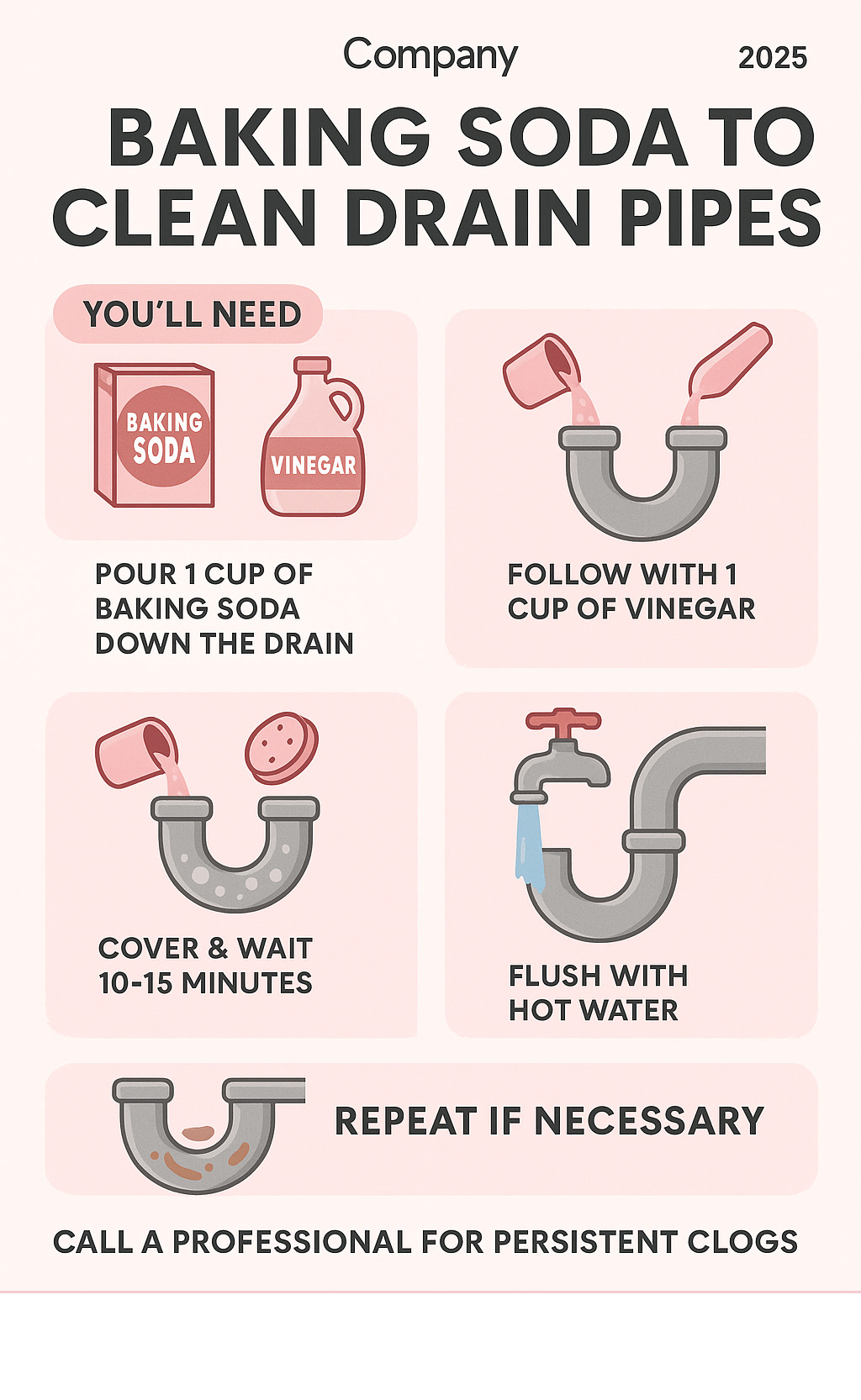
Quick Answer for Cleaning Drains with Baking Soda:
- Pour 1 cup of baking soda down the drain.
- Follow with 1 cup of white vinegar.
- Cover the drain and wait 15-30 minutes.
- Flush with hot water to clear loosened debris.
- Repeat if necessary for stubborn buildup.
This natural method works best for minor clogs and regular maintenance. However, it’s important to understand its limitations. Severe clogs, recurring drainage issues, or problems affecting multiple drains typically need professional attention from trained technicians who have specialized equipment.
At AAA Home Services, we’ve seen countless homeowners in the Greater St. Louis area try baking soda to clean drain pipes before calling for professional help. While natural methods have their place, knowing when to call our skilled plumbing technicians can save you time and prevent more serious drainage problems.
The Science and Benefits of Cleaning Drains with Baking Soda
The effectiveness of using baking soda to clean drain pipes comes from a simple chemical reaction. Baking soda (sodium bicarbonate) is an alkaline substance, while vinegar is a mild acetic acid. When mixed, they react to create carbon dioxide gas. This fizzing action helps agitate and dislodge minor clogs made of grease, soap scum, and hair.
Beyond the fizzing, this natural duo offers several benefits for drain maintenance:
- Deodorizing: Baking soda is a natural mineral that absorbs and neutralizes unpleasant odors from bacteria and fungi in your drains.
- Non-Toxic and Safe: Unlike commercial drain cleaners containing harsh chemicals like lye, this mixture is non-toxic, making it a safer choice for homes with children and pets, as well as for your plumbing and the environment.
- Cost-Effective: Baking soda and vinegar are inexpensive pantry staples, offering a budget-friendly alternative to store-bought chemical cleaners.
- Gentle on Most Pipes: For modern PVC plumbing, this method is much gentler than corrosive chemical cleaners that can damage pipes over time.
Choosing eco-friendly solutions like this helps create a healthier home environment by reducing exposure to potentially harmful chemicals. It’s also worth noting that the U-shaped pipe under your sink, the P-trap, is a common spot for clogs to form. You can learn more about its function here: What is a drain trap?).
How to Use Baking Soda to Clean Drain Pipes: A Step-by-Step Guide
Using baking soda to clean drain pipes is a straightforward process for tackling minor clogs. This gentle approach can help keep your drains flowing smoothly without harsh chemicals.
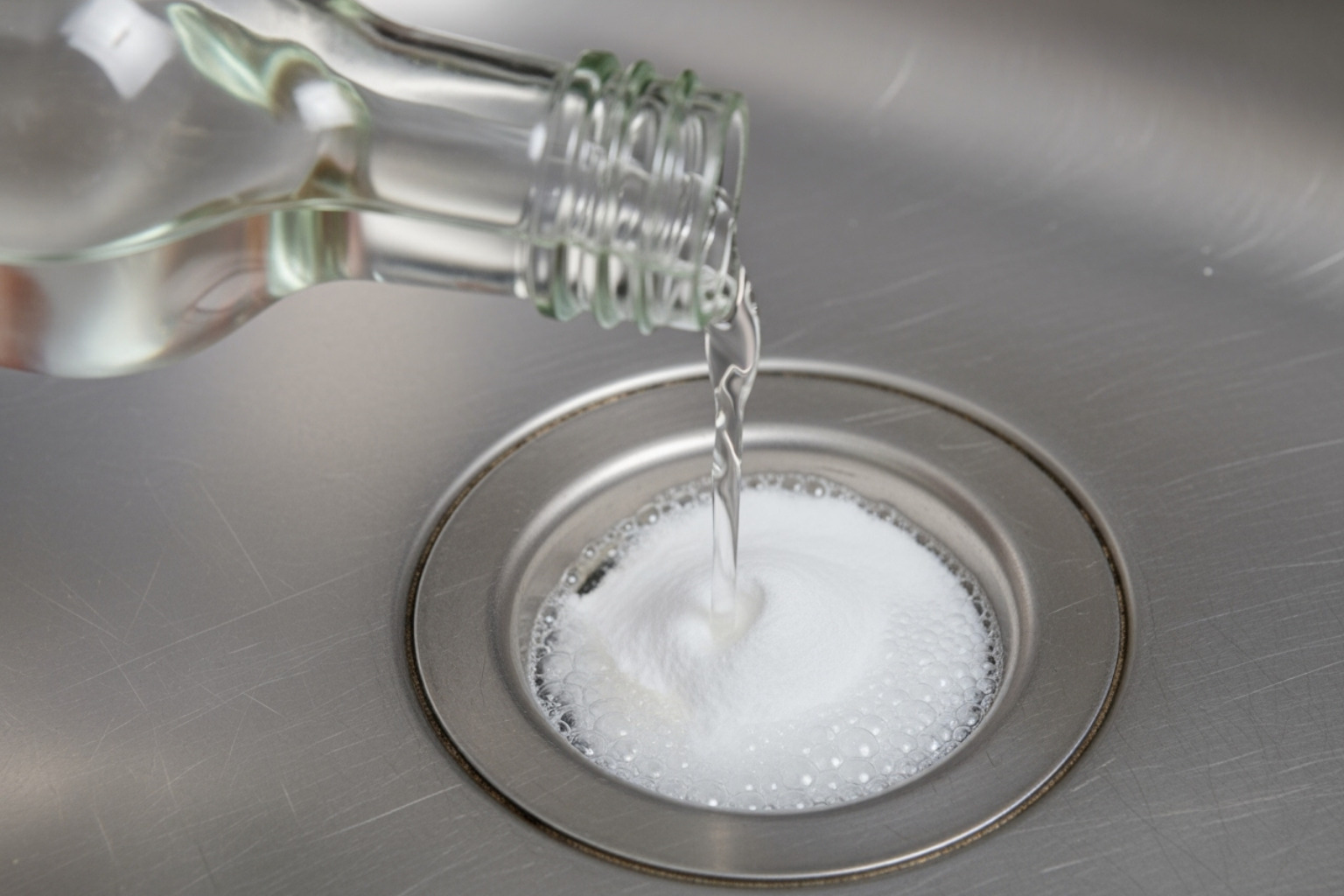
Materials Needed: Boiling water (or very hot tap water for PVC pipes), one cup of baking soda, one cup of white vinegar, and a drain plug or damp cloth.
- Clear and Prep: Remove any standing water from the sink. Pour a pot of hot water down the drain to warm the pipes and loosen grease.
- Add Ingredients: Pour one cup of baking soda directly into the drain, followed immediately by one cup of white vinegar.
- Cover and Wait: Quickly cover the drain with a plug or cloth to trap the fizzing reaction inside the pipe. Let it sit for 30-60 minutes.
- Flush: Uncover the drain and flush it with another pot of hot water to wash away the loosened debris.
If the drain is still slow, you can repeat the process. However, if two attempts don’t solve the problem, it’s time to call a professional. AAA’s technicians have specialized tools to diagnose and resolve issues that go beyond what household remedies can handle. For more tips, see our guide on Spotting Preventing Drainage Clogs.
A Stronger Natural Solution: Baking Soda and Salt
For stubborn kitchen grease, adding salt can provide extra scrubbing power. Salt acts as a gentle abrasive to help scour buildup from pipe walls.
- Mix and Pour: Combine one cup of baking soda with a half-cup of salt. Pour the mixture down the clogged drain.
- Let it Sit: Allow the mixture to sit overnight. The extended time helps break down tough grease.
- Flush: In the morning, pour two cups of boiling water down the drain to dissolve and flush the loosened material.
If this stronger method fails, the blockage likely requires professional tools. AAA’s certified technicians use equipment like drain snakes and hydro-jetters to clear resilient clogs without harsh chemicals.
Special Care: Cleaning Garbage Disposals and Dishwashers
Using baking soda to clean drain pipes also applies to maintaining your kitchen appliances.
For Garbage Disposals:
- Pour 1/4 cup of baking soda into the disposal, followed by 1 cup of vinegar.
- After the fizzing subsides (about 10-15 minutes), add two cups of ice and a half-cup of salt.
- Run the disposal with cold water until the ice is gone. The ice and salt scrub the blades and chamber.
- For a fresh scent, grind a few citrus peels in the disposal with cold water.
For Dishwashers:
- Place a cup of white vinegar on the top rack of the empty dishwasher and run a hot water cycle to break down grease and mineral deposits.
- Sprinkle one cup of baking soda across the bottom of the dishwasher and run another hot cycle to deodorize and clean any remaining grime.
Regular cleaning extends appliance life, but if you face persistent drainage or performance issues, professional maintenance from AAA is the best solution to ensure your appliances operate efficiently.
Prevention, Limitations, and When to Call a Professional
While using baking soda to clean drain pipes is a great reactive measure, prevention is the best strategy. However, it’s crucial to recognize the method’s limits and know when a professional is needed.
Prevention and Limitations
To prevent clogs, install drain strainers, avoid pouring grease down the sink, and be mindful of what goes into your garbage disposal (avoid fibrous vegetables, coffee grounds, and eggshells). Regular hot water flushes can also help maintain clear pipes.
This natural method is effective on organic matter like soap scum and grease but cannot clear solid obstructions or deep-seated blockages. There are also risks: the pressure from the fizzing can stress old or damaged pipes, and the acidity of vinegar could corrode certain older metal pipes over time. If you’re unsure about your pipe’s condition or the clog is severe, it’s safer to call a professional.
For more tips, see this guide on preventing clogs.
How Often Should You Use Baking Soda for Maintenance?
A monthly maintenance routine is ideal. Pouring a half-cup of baking soda down your drains followed by hot water can prevent minor buildup. If you notice a drain slowing, use the full baking soda and vinegar method promptly. If drains remain slow despite regular maintenance, it’s time for a professional inspection from AAA.
What Are the Risks of Using Baking Soda to Clean Drain Pipes?
While generally safe, there are risks. The reaction creates pressure that could damage weak or fully blocked pipes. The vinegar’s acidity can also be corrosive to older metal pipes with repeated use. For these reasons, if you have older plumbing or a stubborn clog, a professional assessment from AAA is the safest choice. We can also help with issues like bathroom or basement plumbing smells in your home.
Signs You Need a Professional Plumber

Call a professional if you notice:
- Recurring Clogs: The same drain clogs repeatedly.
- Multiple Drains Affected: A sign of a main sewer line blockage.
- Gurgling Sounds: Indicates trapped air from a significant blockage.
- Foul Odors: Sewage smells may point to a vent system problem or a deep clog.
- DIY Methods Fail: If two attempts with baking soda don’t work, stop and call for help to avoid making the problem worse.
For professional solutions, learn about our drain cleaning service.
Frequently Asked Questions About Using Baking Soda for Drains
Homeowners in the Greater St. Louis area often have questions about using baking soda to clean drain pipes. Here are answers to the most common concerns.
Can baking soda and vinegar damage my pipes?
For modern PVC pipes, occasional use is generally safe. However, there are risks for older plumbing. The mild acidity of vinegar can corrode older metal pipes (copper, galvanized steel) over time. Additionally, the pressure created by the fizzing reaction can stress joints or cracks in any plumbing system, especially if the drain is completely blocked. For persistent issues or older homes, a professional evaluation from AAA is the safest option.
How does the baking soda method compare to commercial drain cleaners?
There are key differences in safety, environmental impact, and effectiveness:
- Safety: Baking soda and vinegar are non-toxic, unlike harsh chemical cleaners that can cause burns and release toxic fumes.
- Environment: The natural method is biodegradable and eco-friendly, while chemicals can harm waterways.
- Effectiveness: Commercial cleaners may work faster on tough organic clogs like hair, but they can’t dissolve solid objects and can damage pipes. The baking soda method is best for minor clogs and maintenance.
At AAA, we use professional tools like drain snakes and hydro-jetting, which physically remove clogs without the risks associated with chemicals.
What if the baking soda and vinegar method doesn’t work?
If the first attempt doesn’t fully clear the drain, you can try repeating the process once more or using the baking soda and salt method for greasy clogs. However, it’s important to recognize when to stop. If a drain is completely blocked or two attempts fail to produce results, the clog is likely too severe for DIY methods. Continuing to add substances can worsen the problem. At this point, call AAA for professional help to safely and effectively clear the blockage.
Your Partner for Clear and Healthy Drains
Using baking soda to clean drain pipes is an excellent part of a home maintenance routine. This natural approach is safe for your family, the environment, and your budget. It’s a great first step for tackling minor drain issues.
However, when the natural approach isn’t enough for a stubborn clog, or when you see signs of a larger problem like multiple slow drains, it’s time to call in the professionals. That’s where AAA Home Services excels. For over 50 years, we’ve provided homeowners in the Greater St. Louis area with expert plumbing solutions.
Our trained technicians arrive with specialized tools to handle deep blockages and main line issues that DIY methods can’t resolve. We are committed to transparent service and finding the right solution for your home.
When natural remedies reach their limit, AAA is here to help. We can often provide same-day or next-day service to get your drains flowing freely again. Whether you need help with a persistent clog or want advice on preventing future issues, our experienced team is ready. For reliable and professional Drain Cleaning, trust the experts at AAA. Schedule your service today.


