



Understanding HVAC System Replacement Costs
Replacing a home’s heating and cooling system is a significant investment, with the final cost varying widely based on your home’s size, the type of system you choose, and specific installation requirements.
When your HVAC system starts showing its age, the question isn’t if you’ll need to replace it—it’s when. The reality is that replacement costs are unique to each home. A smaller ranch-style home will have different needs than a large two-story house. Factors like system type, efficiency ratings, ductwork condition, and installation complexity all play major roles in determining your final investment.
Smart homeowners know that understanding these cost factors upfront helps them budget properly and avoid surprises. Whether you’re dealing with an emergency replacement or planning ahead, having realistic expectations makes the process much smoother.
As Dan Walsh, I’ve spent years helping Greater St. Louis area homeowners steer HVAC replacement decisions. My experience has shown that informed homeowners consistently get better value and long-term satisfaction from their investments by understanding the factors that influence the average cost to replace heating and cooling system.

Key Signs It’s Time for an HVAC Replacement
Before exploring cost factors, it’s crucial to know when replacement is the right move. An aging system not only compromises comfort but can also drain your finances through high energy bills and constant repairs.
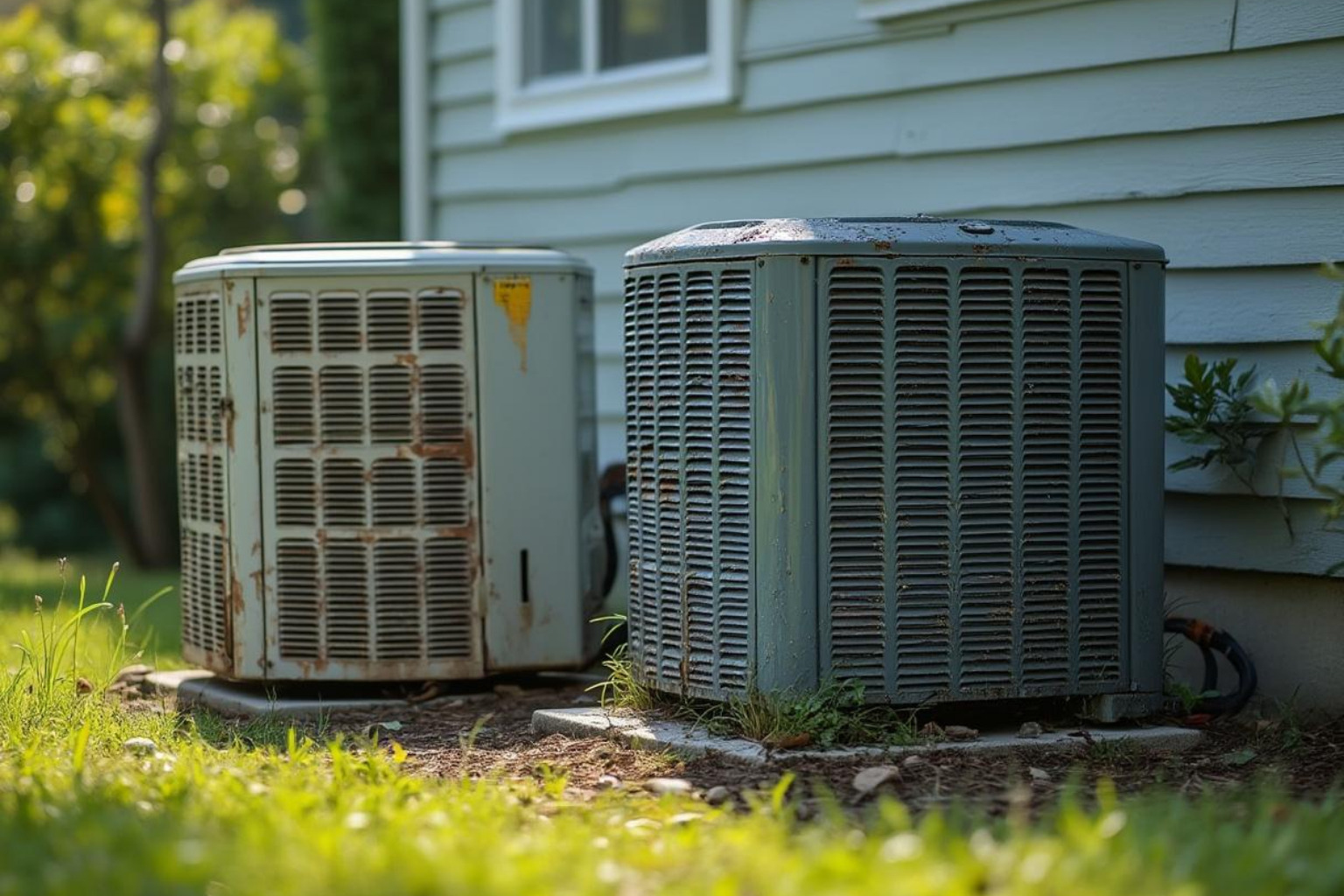
Here are key signs that your system may be due for a replacement:
- System age over 10-15 years: Most central air conditioners last 12-15 years, while furnaces can last 20 years with proper care. As systems reach these milestones, their efficiency naturally declines.
- Frequent and costly repairs: If you’re on a first-name basis with your HVAC technician, it’s a red flag. When repair bills approach a significant fraction of a new system’s cost, you’re likely throwing good money after bad.
- Unexplained spikes in energy bills: A sudden jump in your utility statements, without a change in usage, often points to an aging, inefficient system.
- Inconsistent temperatures: Hot and cold spots throughout your home are a clear sign your system can no longer meet your home’s demands.
- Strange noises or odors: Grinding, squealing, or banging sounds, as well as musty or burning smells from your vents, require immediate professional attention.
When you notice these warning signs, it’s time to have a professional evaluate whether it makes more sense to replace the system than to continue with repairs. For more insights, you can find More info about AC repair services.
When to Repair vs. When to Replace
Deciding between a major repair and a full replacement can be tough. A good rule of thumb is to weigh the cost of a significant repair against the system’s age. If a repair is substantial and the unit is nearing the end of its typical lifespan, replacement is often the more financially sound long-term choice. A trusted professional can provide an honest assessment to help you decide.
Your long-term plans also matter. If you plan to stay in your home for years, investing in a new, efficient system provides reliability and peace of mind that a series of repairs often can’t match.
What Factors Influence the Average Cost to Replace Heating and Cooling System?
Every home is unique, and so is every HVAC installation. The final investment for your new system will depend on several key factors. Understanding these elements is the best way to create a realistic budget and avoid surprises.
These are the main things that will shape your total investment:
- System Type: Are you considering a traditional furnace and central AC, a versatile heat pump, or a ductless mini-split system? Each has different equipment and installation needs.
- Unit Size: This refers to the heating and cooling power (capacity) your home needs. A system that’s too large or too small will operate inefficiently.
- Efficiency Ratings: Systems with higher efficiency ratings (SEER2 for ACs, AFUE for furnaces) may have a higher initial cost but can lead to significant long-term energy savings.
- Home Characteristics: Your home’s size, layout, insulation levels, and window quality all affect the type of system required.
- Ductwork Condition: Old, leaky, or improperly sized ductwork can severely hinder the performance of a new HVAC system.
- Installation Complexity: Factors like system accessibility and the need for electrical updates can influence the final price.
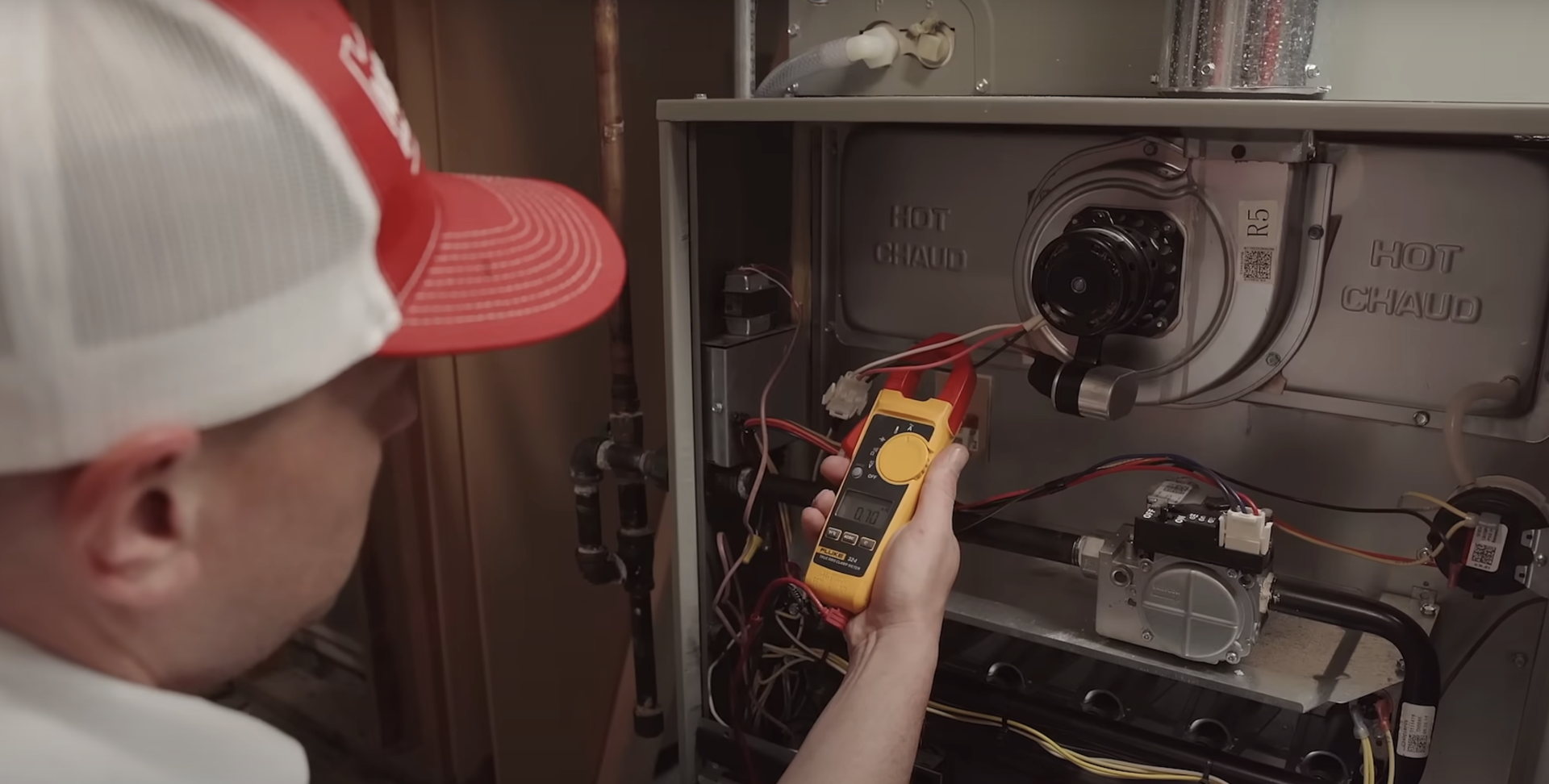
Knowing these factors helps you have a more productive conversation with your HVAC professional. Our goal at AAA Home Services is to find the best value for your long-term comfort and efficiency. You can also learn more about industry guidelines from the Department of Energy regarding federal energy standards.
How System Size and Efficiency Impact the Overall Investment
When it comes to your HVAC system, proper sizing is critical. An oversized unit will cycle on and off too frequently, failing to remove humidity properly and causing unnecessary wear. An undersized unit will run constantly, struggling to keep up on extreme weather days. Both scenarios waste energy and shorten the system’s lifespan.
That’s why a professional load calculation, or Manual J calculation, is essential. This detailed analysis considers your home’s size, layout, insulation, windows, and local climate data to determine the precise heating and cooling capacity needed. This ensures we select a system that delivers optimal comfort and efficiency.
Once the size is determined, we look at efficiency ratings: SEER2 (Seasonal Energy Efficiency Ratio 2) for air conditioners and AFUE (Annual Fuel Utilization Efficiency) for furnaces. A higher rating means greater energy efficiency. While higher-efficiency units may have a greater upfront cost, they can significantly reduce your monthly utility bills, paying off over the life of the system.
The Role of Ductwork and Installation Complexity
Your ductwork is the delivery system for conditioned air. If it’s compromised by leaks, improper sizing, or poor design, even the best new HVAC system will underperform. Leaks in ductwork can allow 20-30% of your conditioned air to escape into attics or crawl spaces, wasting money and energy.
During our assessment, we carefully inspect your ductwork. If we find problems, we’ll discuss options like sealing, repairs, or partial replacement. Addressing these issues is crucial to ensure your new system operates at peak performance.
Installation complexity also affects the final average cost to replace heating and cooling system. Factors include:
- Accessibility: Systems in tight closets or hard-to-reach areas require more time and labor.
- Electrical Upgrades: Older homes may need electrical updates to support modern HVAC equipment.
- System Changes: Switching system types or adding new ductwork involves more extensive labor.
Our team at AAA Home Services prides itself on a meticulous installation process, ensuring every detail is handled with precision to make your transition to a more comfortable home as smooth as possible.
Choosing the Right Type of HVAC System for Your Home
Today’s homeowners have more heating and cooling options than ever. The best choice depends on your comfort goals, efficiency priorities, and your home’s existing infrastructure. When considering the average cost to replace heating and cooling system, it’s about finding the right fit for your home’s needs and your budget.
Let’s explore the most common system types we install for homeowners in the Greater St. Louis, St. Charles, and Warren County area.
Understanding the average cost to replace heating and cooling system with a Heat Pump
Heat pumps are a popular all-in-one solution, providing both heating and cooling from a single, highly efficient unit. Instead of creating heat, they move it—transferring heat out of your home in the summer and pulling heat from the outdoor air into your home in the winter. This process is incredibly efficient and can lead to significant energy savings.
For our St. Louis climate, we often recommend a “dual-fuel” or “hybrid” system. This setup pairs an electric heat pump with a gas furnace. The system intelligently switches between the two, using the hyper-efficient heat pump on milder days and the powerful gas furnace when temperatures drop significantly. This gives you the best of both worlds: maximum efficiency and reliable warmth.
Understanding the average cost to replace heating and cooling system with a Traditional Furnace and AC
The classic combination of a central air conditioner and a gas furnace remains a reliable and powerful choice for many homes. Modern versions of these systems are far more efficient than older models, offering substantial savings on utility bills.
A key advantage of replacing both units simultaneously is creating a “matched set.” Manufacturers design indoor and outdoor components to work together for optimal performance. Pairing a new, high-efficiency AC with an older furnace can hinder the new unit’s efficiency. A matched system ensures all parts work in harmony, delivering the best possible comfort and energy savings.
We specialize in new furnace installation and can help you select the perfect matched system to keep your family comfortable all year long.
The Replacement Process: What to Expect
A professional HVAC replacement should be a smooth, transparent process. Choosing a reputable, experienced contractor is the most critical decision you’ll make. At AAA Home Services, we’ve refined our process over 50 years to be as seamless as possible for homeowners.
Here’s a brief overview of what you can expect:
- Initial Consultation & Home Assessment: The process starts with a discussion of your needs, followed by a professional home assessment. Our technicians perform a detailed load calculation (Manual J) to determine the perfect system size and inspect existing ductwork and electrical systems.
- System Selection Guidance: We present suitable HVAC options, explaining the differences in efficiency and features. We provide free quotes for HVAC systems, empowering you to make an informed, pressure-free decision.
- Meticulous Installation: Our certified installation team ensures every component is connected to the highest industry standards and local codes. We work efficiently to minimize disruption and can often offer Same Day or Next Day service, depending on availability.
- Final Testing & Walk-Through: After installation, we rigorously test the new system to ensure it’s running perfectly. We’ll then walk you through its operation, provide maintenance tips, and answer any questions.
Our commitment to fair, honest pricing means you get clear communication from start to finish. You can learn more about our dedication to transparency on our fair, honest pricing guarantee page. With over 50 years of experience, AAA Home Services has earned the trust of homeowners across the Greater St. Louis area by delivering lasting comfort and peace of mind.
Frequently Asked Questions about HVAC Replacement
It’s normal to have questions when considering a major home improvement like an HVAC replacement. Here are some of the most common questions we hear from homeowners.
Should I replace my furnace and air conditioner at the same time?
In most cases, yes. If both units are of a similar age, replacing them together is highly recommended. This ensures you have a perfectly matched system, where the indoor and outdoor components are designed to work together for maximum efficiency and performance. It also saves you from paying for major installation labor twice within a few years and provides new warranties for the entire system, giving you comprehensive peace of mind.
How can I find available rebates or financing options?
Investing in a new HVAC system is a significant financial decision, and we are committed to making it as manageable as possible. We can help you identify potential manufacturer rebates, which are often available on specific high-efficiency models. Additionally, we can connect you with flexible financing options through trusted providers, allowing you to pay for your new system over time. Our goal is to ensure you have all the information needed to make the best financial decision for your home.
How long does a typical HVAC system last?
The lifespan of your HVAC system depends heavily on proper care. Generally, a central air conditioner lasts about 12 to 15 years, while a furnace can last 15 to 20 years or more. The single most important factor in maximizing this lifespan is regular professional maintenance. Periodic tune-ups help your system operate efficiently, prevent premature wear, and identify minor issues before they become major breakdowns.
We make it easy to keep your system in top shape with our Service Club Memberships for maintenance. These plans help you protect your investment and ensure reliable comfort for years to come.
Your Partner for a Comfortable and Efficient Home
Replacing your heating and cooling system is a significant investment in your family’s comfort and your home’s value. Understanding the key factors—from system type and efficiency to the quality of the installation—is crucial for making a confident decision. You don’t have to steer this process alone.
For over 50 years, AAA Home Services has been the trusted partner for homeowners across the Greater St. Louis area. We are committed to providing honest advice, expert workmanship, and fair pricing. When you’re evaluating the average cost to replace heating and cooling system, our focus is on delivering the best long-term value for your specific needs.
Our commitment to excellence is reflected in our award-winning service and thousands of positive reviews from homeowners across the Greater St. Louis, St. Charles, and Warren County areas. We proudly serve communities including St. Charles, O’Fallon, Chesterfield, Kirkwood, and many more.
Ready to explore your options for a new, high-efficiency HVAC system? We understand that comfort can’t wait, which is why we can often offer Same Day or Next Day service, depending on availability.
Request service from our expert team today!


